Types of Cotton Fabric: A Comprehensive Guide
From sheer voile to plush velvet — every cotton weave explained, and how to choose the right one.
Cotton is one of the most versatile fibers in the world, but “cotton fabric” isn’t really one thing — it’s an entire family of weaves, weights, and finishes, each with a distinct feel and purpose. The same fiber that makes a crisp, structured shirt can also be woven into something sheer and floaty, or brushed into something soft enough for a winter robe. Understanding the difference between these weaves makes it far easier to pick the right fabric for a garment, rather than assuming all cotton behaves the same way. Here’s a complete breakdown of the most common types of cotton fabric available today.
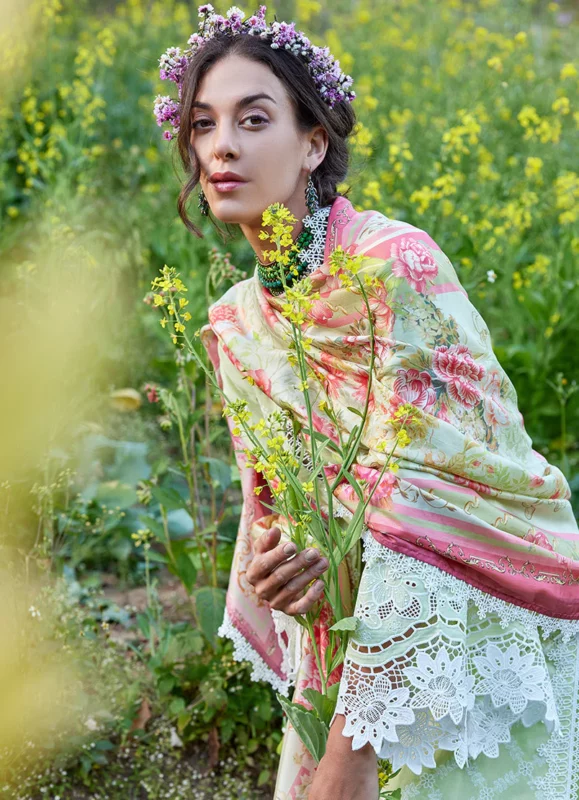
Cotton Voile
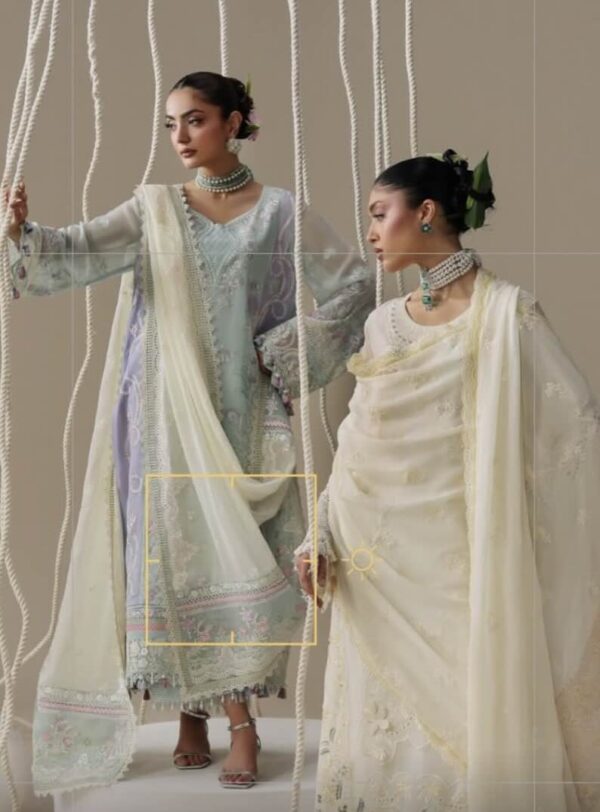
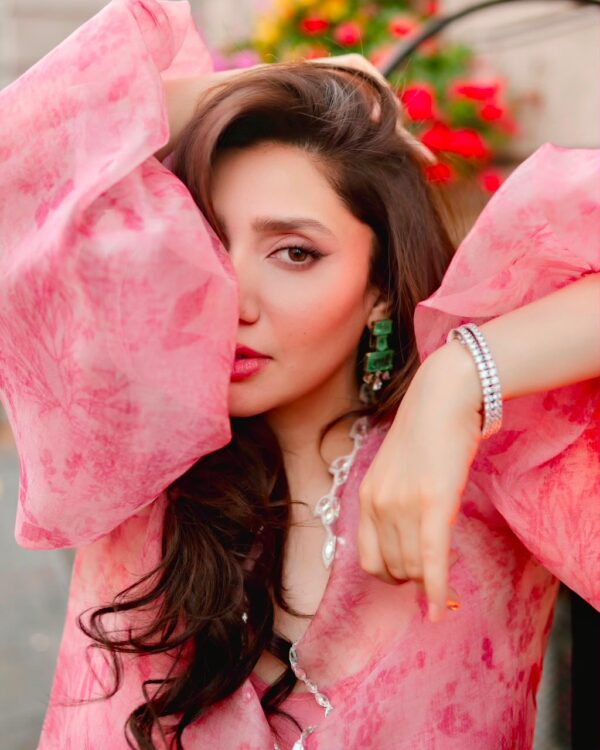
Cotton voile is a lightweight, semi-sheer fabric woven from fine cotton yarns, giving it a soft, almost floaty quality. It’s a natural fit for summer clothing, where its breathability and gentle drape keep things cool even in humid weather, and it’s equally popular for curtains and window treatments, where its sheerness lets in soft, diffused light. Because it’s so lightweight, voile is often layered — either over a lining for clothing, or in double layers for a fuller curtain look.
Cotton Poplin
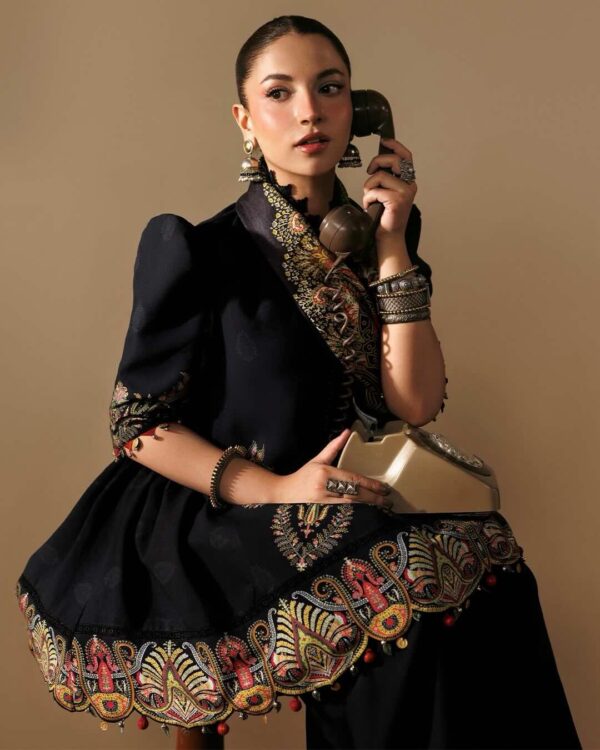
Poplin is a tightly woven cotton fabric known for its crisp hand and clean drape. Unlike voile, poplin has real structure — it holds its shape well, resists wrinkling better than looser weaves, and has just enough weight to feel substantial without being heavy. That combination of durability and polish is exactly why it’s such a popular choice for shirts, dresses, and sportswear; it looks tailored even in a simple silhouette.
Cotton Lawn
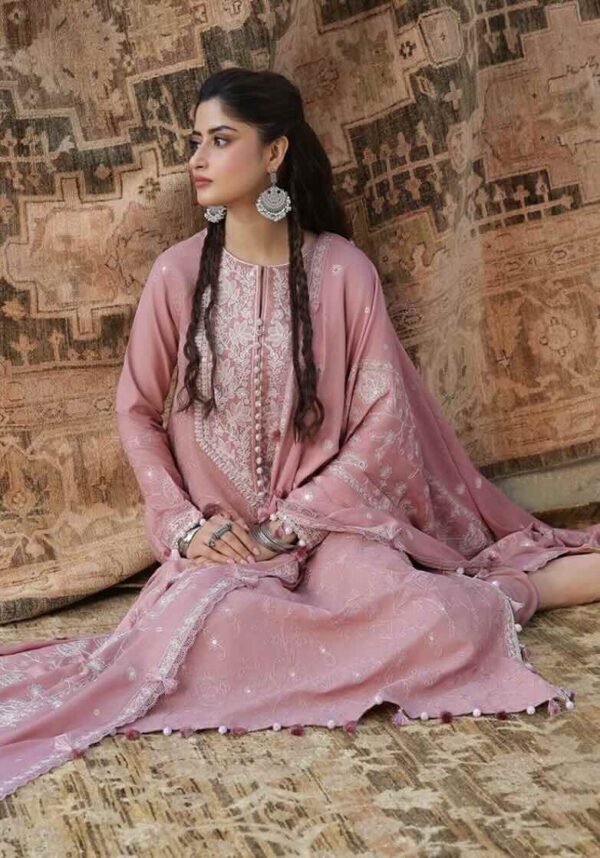
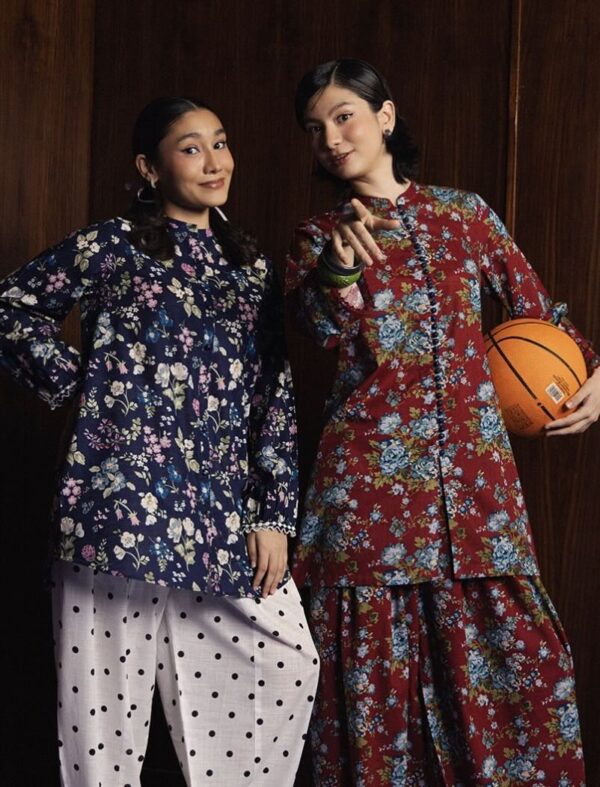
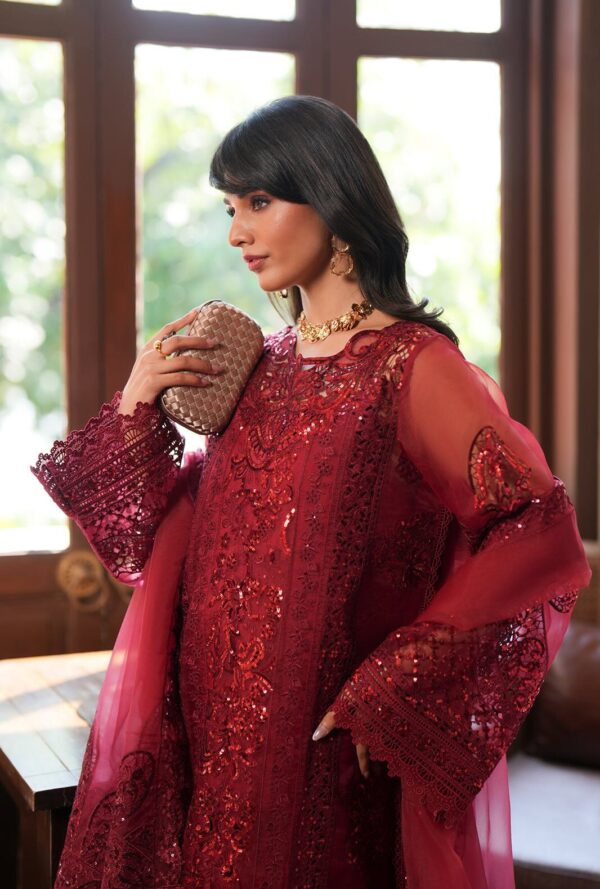
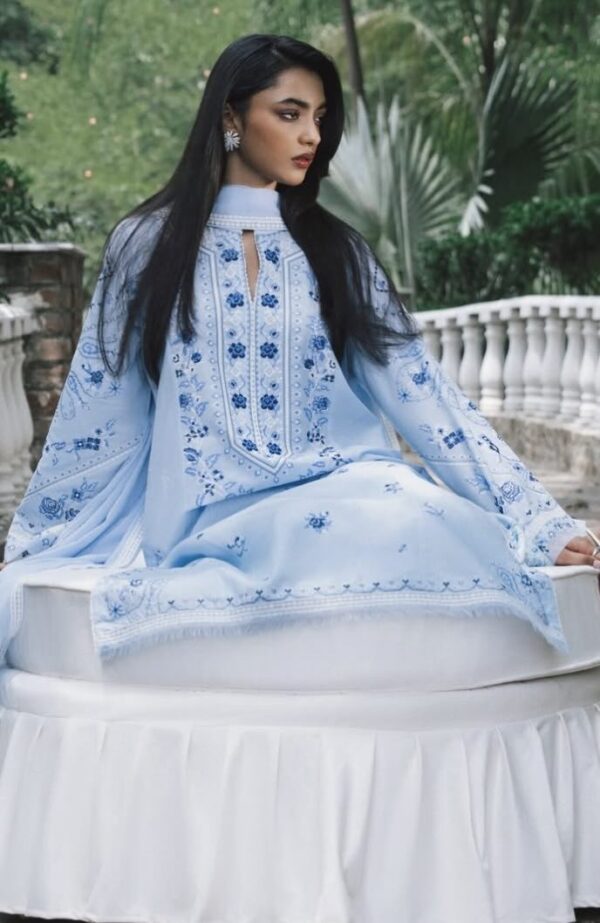
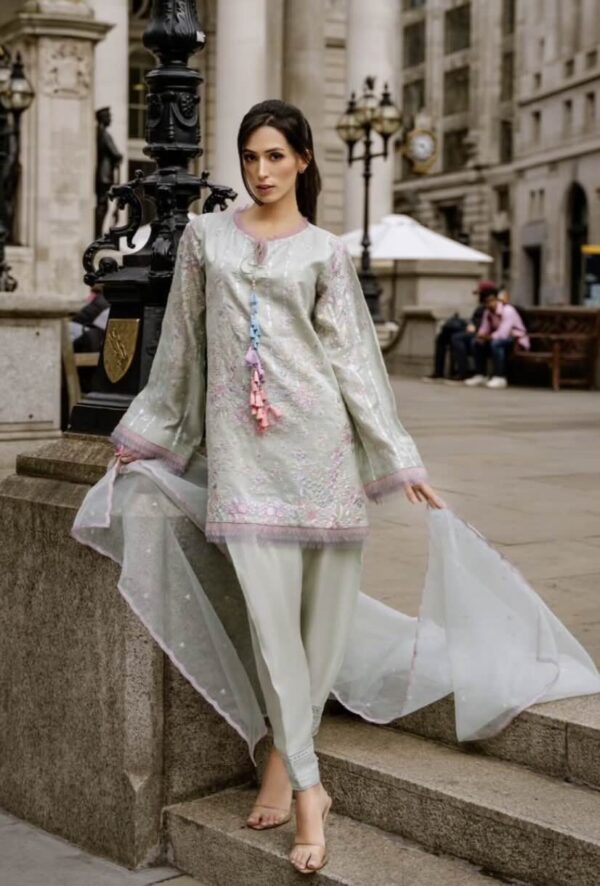
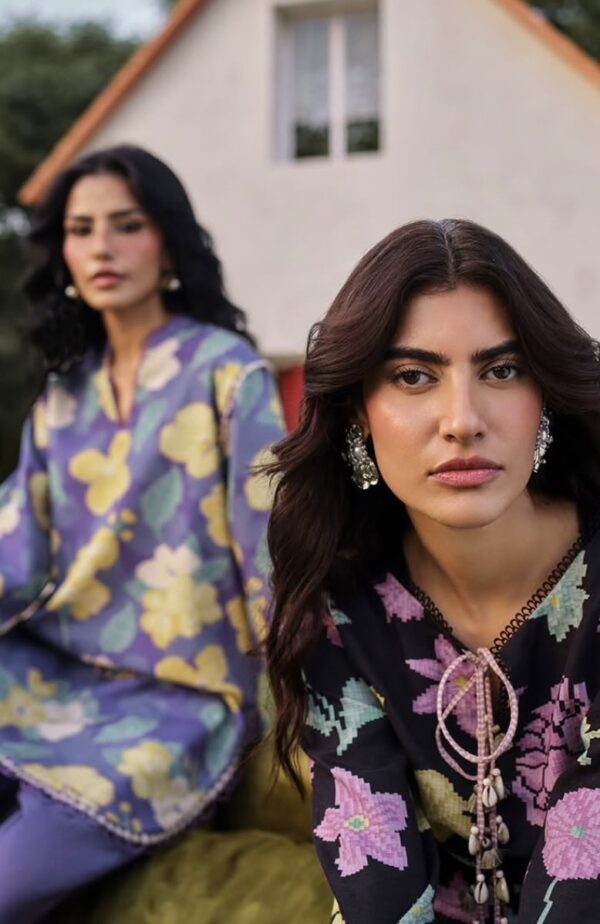
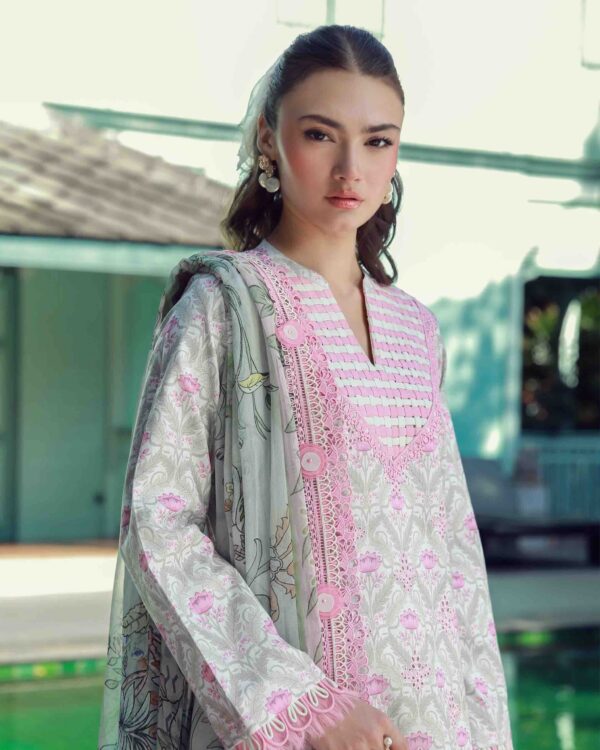
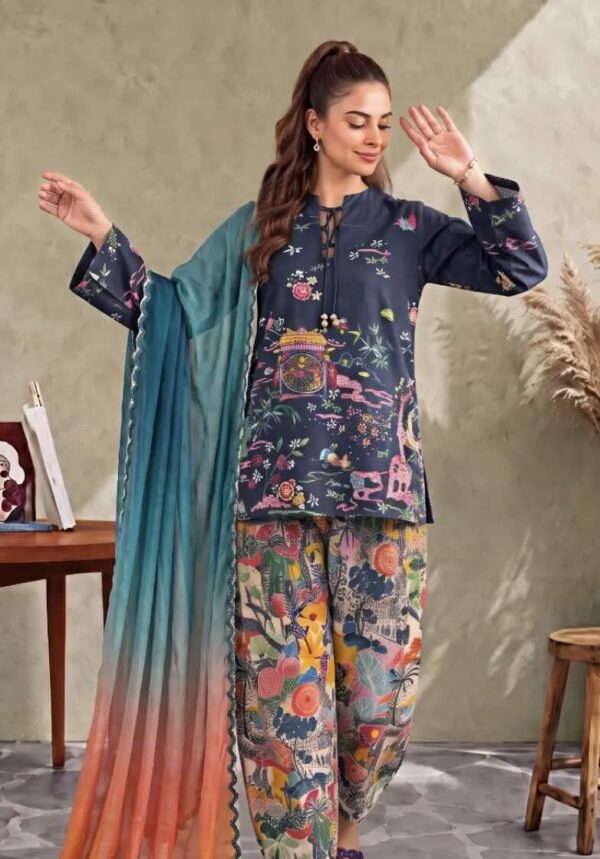
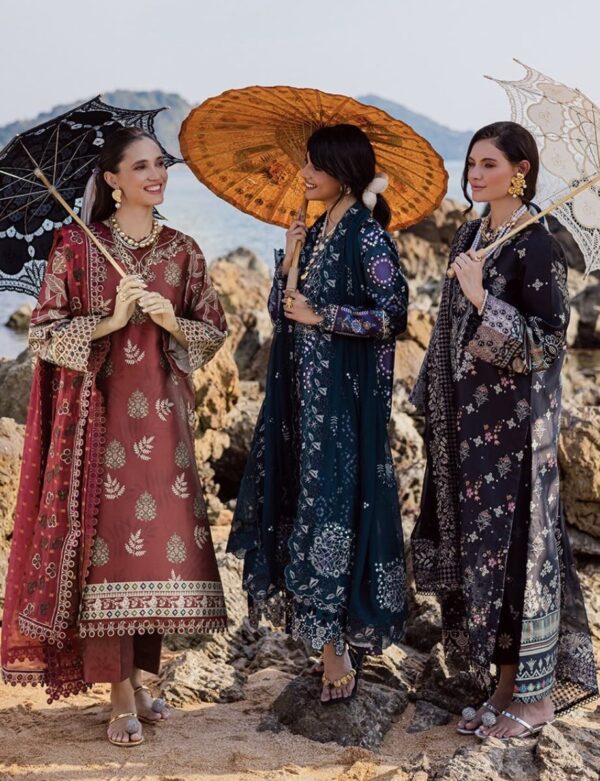
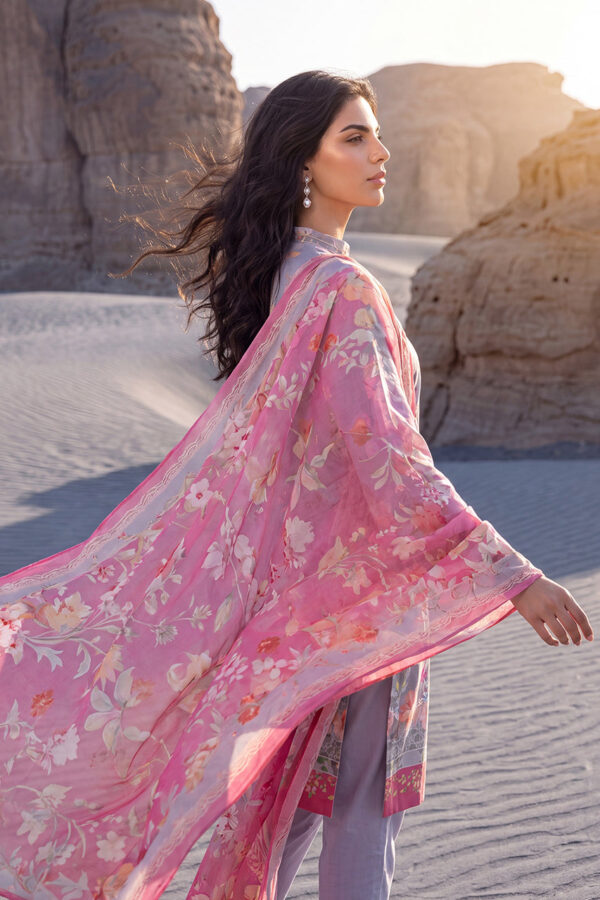
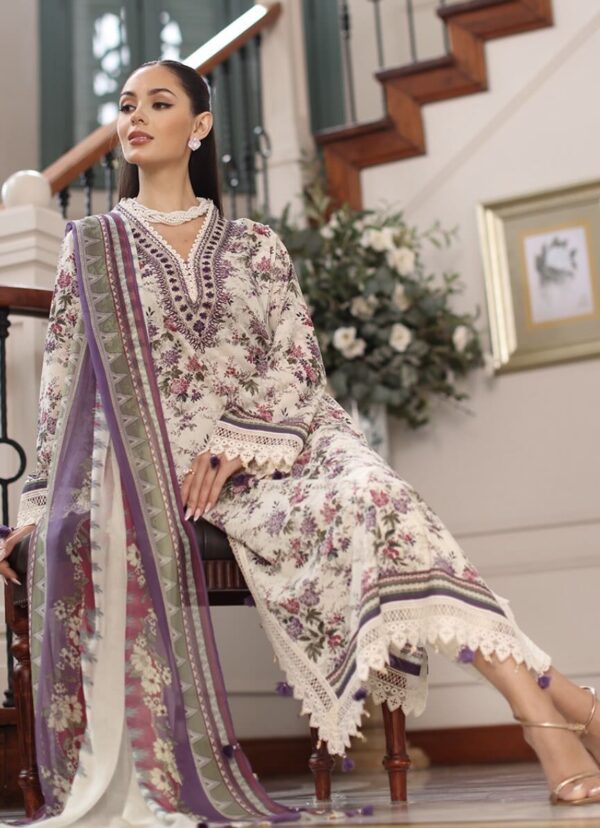
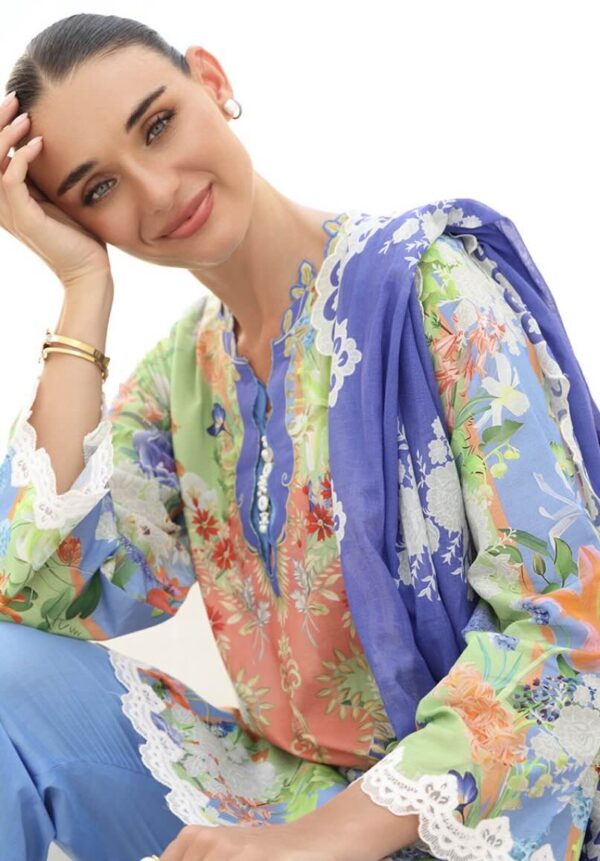
Cotton lawn is a lightweight, finely woven fabric, prized for a smoother, softer finish than many other cotton weaves. It’s a favourite for dresses, blouses, and lightweight curtains, and across South Asian fashion in particular, it’s become the defining summer fabric — the go-to for everything from everyday suits to designer collections during the warmer months. If you want a deeper look at what sets lawn apart from other cotton weaves, our complete guide to lawn fabric covers it in more depth.
Cotton Muslin
Muslin is a lightweight, plain-weave cotton fabric with an open, breathable structure. It’s a staple for bedding and curtains, where its softness and airflow make it especially comfortable, and it’s also used in lightweight clothing for the same reasons. Muslin’s simple weave also makes it a common choice for garment prototyping in the fashion industry, since it’s inexpensive and easy to work with before cutting into a final fabric.
Cotton Twill
Twill is easy to spot thanks to its diagonal weave pattern, which gives the fabric noticeably more durability and structure than a plain weave. That diagonal construction also makes twill more resistant to wrinkling and better at hiding stains, which is exactly why it shows up so often in jeans, chinos, and workwear — fabrics that need to hold up to repeated, hard-wearing use.
Cotton Denim
Denim is a heavyweight cotton fabric woven in the same diagonal twill pattern as regular twill, but built from thicker, sturdier yarns. That extra heft is what makes denim so durable, and why it remains the fabric of choice for jeans, jackets, and other casualwear that’s expected to last for years. Denim also softens and develops character with wear and washing, which is part of its lasting appeal.
Cotton Flannel
Flannel is a soft, brushed cotton fabric, where the surface fibers are deliberately raised to create a fuzzy, insulating texture. That brushing process is what makes flannel feel so much warmer and cosier than a standard cotton weave, which is why it’s the go-to fabric for pajamas, robes, and other loungewear built for comfort over structure.
Cotton Sateen
Sateen is woven using a satin weave structure, which gives cotton a smooth, lustrous surface that almost mimics silk, without the price tag or delicacy that comes with it. That subtle sheen and soft hand make sateen a popular choice for sheets and pillowcases, where the luxurious feel really comes through against the skin, and it’s also used in formalwear for a polished, slightly dressed-up finish.
Cotton Jersey
Unlike most of the weaves on this list, jersey is a knit rather than a woven fabric, which gives it natural stretch and a soft, relaxed drape. That stretch is exactly why jersey has become the default fabric for t-shirts, activewear, and anything else that needs to move comfortably with the body. It’s breathable, low-maintenance, and holds its shape reasonably well through repeated washing.
Cotton Velvet
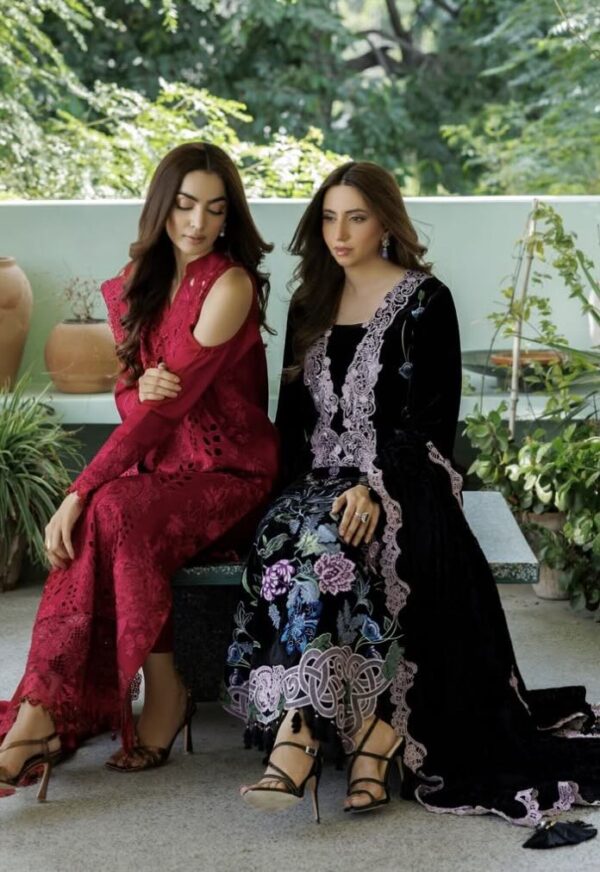
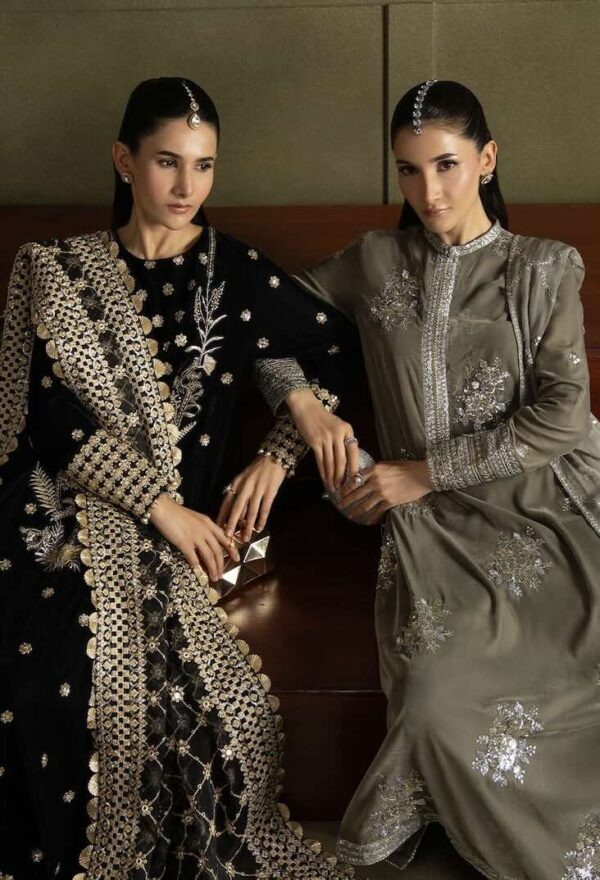
Cotton velvet is woven with a dense, cut pile that gives it a plush, luxurious surface — softer and slightly less shiny than silk or synthetic velvet, but with the same rich, tactile appeal. It’s a popular choice for upholstery and drapery, where its texture adds warmth and depth to a room, and it shows up in formalwear too, especially in jackets, blazers, and statement pieces built for cooler months.
How to Choose the Right Cotton Fabric
The right cotton weave really comes down to what you need it to do. If you want something light and breathable for hot weather, voile, lawn, and muslin are your best options — all three are built to let air move and keep you cool. If you need structure and polish, poplin and sateen bring a crisper, more tailored finish without sacrificing comfort. For anything that needs to survive daily wear and tear, twill and denim are the clear choices, built specifically to hold up under pressure. And if comfort and warmth are the priority, flannel and jersey are hard to beat.
Occasion matters too. Everyday and daytime pieces tend to work best in lawn, poplin, or muslin — fabrics that are comfortable enough for long wear without feeling precious. For something a little more special, cotton sateen or cotton velvet bring a bit more shine and texture, while still keeping the breathability that makes cotton such a dependable fiber to begin with.
Caring for Cotton Fabrics
Most cotton fabrics are relatively easy to care for, but a few general rules help them last longer. Wash lighter weaves like voile, lawn, and muslin in cool water to avoid shrinkage, and air-dry where possible rather than using high heat. Twill and denim can generally handle a warmer wash, but turning them inside out helps preserve colour and any surface texture. Sateen and velvet benefit from a gentler cycle, since their finish — the sheen on sateen, the pile on velvet — can wear down faster under rough handling. Flannel tends to soften with every wash, so a slightly cooler setting helps it keep its brushed texture for longer.
Shop Cotton and Lawn Suits at The Fashion Station
Explore breathable cotton and lawn collections in our lawn suits online range, alongside our full collection of Pakistani suits online.
100% original designer wear from 500+ premium brands · ISO 9001/14001/45001 and SEDEX certified since 2014 · Free shipping, Cash on Delivery and easy returns across India. Discount Auto-Applied at checkout on eligible styles.
SHOP NOWFrequently Asked Questions
What’s the difference between cotton lawn and cotton voile?
Both are lightweight and breathable, but lawn has a finer, smoother weave, while voile is more sheer and floaty. Lawn is more commonly used for dresses and suits, while voile leans more toward summer clothing and curtains.
Which cotton fabric is most durable?
Denim and twill are the most durable cotton weaves, thanks to their tight, diagonal construction, which is why both are the standard choice for jeans and workwear.
What is the softest type of cotton fabric?
Flannel and jersey are among the softest cotton fabrics, thanks to flannel’s brushed surface and jersey’s knit construction, both designed for comfort over structure.
Is cotton sateen the same as silk?
No. Cotton sateen is woven using a satin weave to mimic silk’s smooth sheen, but it’s made entirely from cotton fiber, making it more affordable and easier to care for than true silk.
Which cotton fabric is best for hot, humid weather?
Voile, lawn, and muslin are the best choices for hot, humid climates, since all three are woven to be lightweight and highly breathable.
New Arrivals
Freshly dropped designer Pakistani suit collections — updated every season