
Dussehra Outfit Ideas 2026: Salwar Suits for Family Puja and Evening Celebrations
Thoughtful suit combinations for a day that might begin at home, continue with family visits and finish under the evening lights.
The best Dussehra outfit makes room for the day you actually have planned. You might sit with family for a puja, help carry food to the table, visit relatives and spend the evening at a local celebration. A beautifully chosen salwar suit can move through those moments with you, without demanding a complete change of clothes or constant adjustments to a heavy dupatta.
That does not mean choosing the plainest thing in your wardrobe. A striking colour, an embroidered neckline or a lovely printed dupatta can give an outfit its festive character. The trick is deciding where you want the detail, how much movement you need and what you will still enjoy wearing several hours later. Here is how to build a Dussehra look around those decisions, with ideas you can adapt to your own celebrations.
When is Dussehra in 2026, and what does your day involve?
Dussehra falls on Tuesday, 20 October 2026, as listed in the Government of India holiday calendar. Check the programme for any local celebration you plan to attend, because community events can have their own schedules. The date helps you plan your wardrobe, but the nature of your gathering should guide what you choose to wear.
Dussehra and Vijayadashami are celebrated through varied regional and family traditions. A day of home visits is different from attending a large procession, a cultural performance or a Ramlila ground. There is no single outfit formula that represents every celebration. Let your household customs and the setting lead, then make the styling your own. If you are visiting another family, asking what they have planned is more useful than guessing a dress code.
Write down three things before browsing: where you will spend the longest stretch of time, how much walking is involved and whether you can return home before the evening. Someone hosting lunch may prioritise manageable sleeves and a secure dupatta. Someone travelling across town may prefer a suit that remains comfortable while seated. This small exercise prevents an attractive photograph from becoming the only reason for a purchase.
Four Dussehra salwar suit combinations worth considering
1. A printed suit with one beautiful embroidered detail
For a relaxed home celebration, start with a printed shirt and coordinated trousers, then look for a defined neckline, sleeve border or embroidered dupatta. Keeping the main decoration in one area makes the outfit feel considered without needing several statement accessories. A small earring and a familiar pair of flats may be all it needs. This is especially useful if you expect to move between greeting guests, sitting down and helping with lunch.
Pay attention to the scale of the print. A detailed floral pattern already brings plenty of interest, so a simpler bag lets it remain the focus. With a quieter print, you can add a stronger earring or a contrasting dupatta from your wardrobe. Before mixing pieces, compare them in daylight: two shades that look coordinated under a bedroom bulb can feel quite different beside a window.
2. A straight suit with tapered or straight trousers
A straight shirt with comfortable trousers is a useful starting point for a day involving several visits. Consider embroidery around the neckline and a clean lower half, especially if you will be sitting in a car or moving through busy entrances. The outfit can be richly coloured without feeling crowded. Browse different shapes in our salwar kameez collection, then judge the actual garment measurements rather than relying on the silhouette name.
Keep the trouser hem clear of your shoes when you walk. If you prefer a longer shirt, check the side openings and stride in it before the occasion. A design that looks graceful when standing should also let you climb a step comfortably. A slim watch, small shoulder bag and secure earrings finish this combination without adding much to carry or rearrange.
3. An A-line suit for an unhurried family gathering
If you enjoy a little movement in your outfit, an A-line shirt can offer that feeling without committing to a very full silhouette. Pair it with trousers whose volume you already find comfortable. A soft berry, green or blue base with restrained metallic detail works beautifully as a styling idea; choose whichever shade feels like you. The aim is a pleasing relationship between the shirt, trousers and dupatta, rather than a compulsory festival colour.
Try this combination with your intended dupatta drape before adding jewellery. A wide border across the front can be the main feature, while a lighter drape may leave room for a necklace. If you will sit on the floor, check that the shirt and trousers allow that movement without pulling. Comfort here comes from the cut and fit of the individual garment, not from its label alone.
4. An embroidered suit for a seated evening celebration
For dinner or a cultural programme where you will mostly be seated, you may enjoy a more elaborate neckline, a decorative dupatta or a richer surface texture. Choose the part you love most and let the rest support it. For example, an embroidered shirt can look complete with simple earrings, while a relatively quiet shirt gives a statement dupatta more presence.
A browse through our party-wear suit selection can help you compare levels of embellishment. Look beyond the front photograph: ask about lining, sleeve finish and the reverse of decorative work if those details are unclear. For a long evening, how embroidery feels against your skin and how a dupatta rests on your shoulder matter as much as how the outfit looks.
Use colour to create a festive mood, without following a rigid rule
You do not need an entirely new colour vocabulary for Dussehra. Start with a shade you love wearing and decide whether you want the final look to feel bright, soft or richly toned. Marigold and cream make a cheerful combination; rose and muted gold feel gentle; teal with a restrained metallic accent can carry into dinner. These are styling suggestions, not religious prescriptions, and your family preferences always take priority.
Think about what you already own before choosing a contrast. If your favourite festive flats are silver, a suit with cool metallic details may be easier to finish than one demanding a new set of accessories. If you have a beautiful red dupatta, try it over a quieter existing suit before buying another complete outfit. Reusing a much-loved piece gives the look personality and keeps the purchase focused.
| Colour direction | A possible pairing | Keep the styling balanced |
|---|---|---|
| Warm and bright | Marigold with cream | Use one repeated metallic finish |
| Soft and understated | Rose with a muted gold accent | Let texture provide the detail |
| Deep and expressive | Teal with antique silver | Keep the bag and footwear simple |
| Built around an existing piece | A red dupatta over a quiet base | Repeat a small colour from the dupatta |
When shopping online, inspect more than one image and read the colour description. Screens and lighting can alter how a shade appears. If an exact match to an existing garment is essential, ask for clarification before ordering rather than assuming two similarly named colours will match. A deliberate contrast is often easier to achieve than an almost identical pairing.
Choose fabric, lining and embellishment for your actual plans
October conditions differ across India, and an indoor afternoon can feel very different from an outdoor evening. Check your local forecast closer to the occasion rather than buying on a blanket assumption about autumn weather. Consider the full outfit: a light-looking shirt with a substantial lining and an elaborate dupatta may feel quite different from the impression created by its photograph.
Read the composition and construction details together. Chiffon and organza do not automatically mean silk, and a cotton blend can vary in weight and feel. If the listing does not explain lining or transparency clearly, ask before ordering. Think about the underlayer you would use and whether it changes the neckline or sleeve appearance. The most useful fabric choice is one whose complete wearing experience suits you.
Embellishment placement also deserves attention. Dense decoration at the wrists may be inconvenient when serving food; bulky work across the back can be noticeable against a chair. A heavily bordered dupatta may need more careful placement than a lighter one. None of these details makes a design unsuitable by itself. They simply help you choose which outfit belongs at a long lunch and which you would enjoy more at dinner.
If your plans involve helping in the kitchen or being near diyas, keep loose fabric secured and maintain distance from heat and flames. Do not treat a particular fibre or a neatly pinned drape as fire protection. Practical precautions belong alongside beautiful styling, especially when you are concentrating on guests, carrying something or moving through a crowded room.
Check the fit while moving, sitting and wearing your shoes
A festival outfit deserves more than a quick standing mirror check. Put it on with the underlayers and shoes you expect to wear, then sit, reach forward and walk around. If floor seating is part of your plans, try that position too. Notice whether the waistband presses, the armhole pulls or the neckline needs repeated adjustment. These are useful observations to make before the day begins.
For an online purchase, compare the size chart with a similar garment that already fits you well. Follow the seller’s measuring method, and distinguish body measurements from finished garment measurements. The right amount of room depends on the cut and your preference; a familiar size letter does not guarantee the same fit across labels. Check shirt length and trouser length alongside bust and waist measurements.
- Lift your arms comfortably without the neckline or shirt shifting more than you like.
- Sit for several minutes and notice how the waist, hips and back feel.
- Walk in your intended shoes and check that no hem catches beneath your feet.
- Try the dupatta drape with your bag, so the straps do not compete for the same shoulder.
- Check closures and any necessary alterations while there is still time to resolve them.
Take your daytime outfit into the evening with a small change
Choose a base outfit you are happy to wear all day, then plan a modest evening adjustment. A printed suit can move from small earrings and a simple drape to a more decorative earring and a carefully arranged dupatta. An embroidered suit might need only a different bag. You do not have to change every accessory for the outfit to feel refreshed.
For example, imagine a teal straight suit with trousers and a subtly embellished dupatta. For family lunch, wear familiar flats, secure the dupatta and keep the jewellery light. Before dinner, take a moment to smooth the garment according to its care instructions, replace the earrings and choose a compact bag. The same colour story remains, but the attention moves towards the face and the decorative detail.
If you cannot return home, keep the change genuinely small. A protective pouch for earrings and a comb fit into a normal bag more easily than another pair of shoes or a bulky second dupatta. Keep any jewellery you remove secure. It is better to enjoy one complete look than spend the afternoon managing a portable wardrobe that your schedule does not accommodate.
Make a mela, procession or performance visit comfortable
If your Dussehra includes an outdoor event, let the route shape the finishing touches. Think about the walk from transport, uneven ground, queues and how long you may stand. Footwear you have already worn comfortably is usually a more practical choice than a brand-new pair saved for the occasion. Check that the sole, fastening and hem length work together before leaving home.
A compact bag that closes securely can leave your hands available, while a controlled dupatta drape reduces the need to keep gathering loose ends. Avoid trailing hems in crowded areas, and follow the organiser’s guidance around barriers and displays. If you expect to carry a child, rehearse that movement in your outfit: long earrings, loose jewellery and heavily decorated fabric may need a different arrangement.
Keep any extra layer proportionate to the weather and your journey. A shawl may be useful in one location and unnecessary in another. For a large celebration, check entry arrangements and local instructions beforehand. Dressing thoughtfully for the setting allows you to enjoy the occasion without making the outfit the centre of every practical decision.
Why shop for your Dussehra outfit at The Fashion Station?
The Fashion Station brings multiple designer collections into one place, making it easier to compare a simple printed suit with a more decorative option before deciding. As an India-based retailer operating since 2014, we offer a useful starting point for shoppers who want to explore different labels, fabrics and formats while shopping in rupees. The right purchase begins with that comparison, not with choosing the busiest design.
Our Pakistani designer suit collections include different approaches to print, embroidery and occasion dressing. For Dussehra, that variety lets you look for the detail your plans require: a quieter shirt for a day at home, a distinctive dupatta for family photographs or an embroidered outfit for dinner. Availability changes, so compare the specific products currently listed.
You can also browse the ready-to-ship collection when dispatch timing matters. Ready-to-wear describes a finished garment, while ready-to-ship concerns availability for dispatch; neither term alone confirms arrival before your celebration. Read the product information and our shipping policy, then confirm the relevant estimate for your destination. A well-chosen outfit is one you can plan around with confidence.
Explore current arrivals
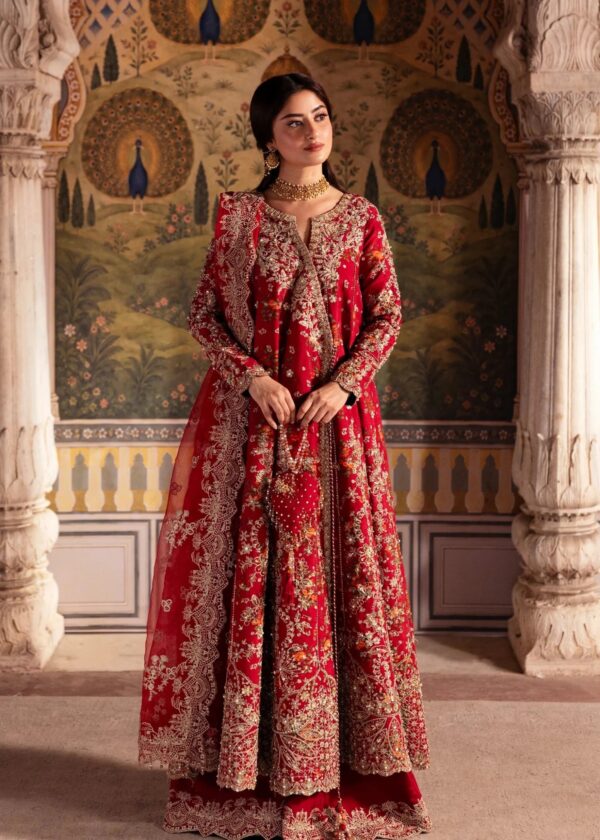
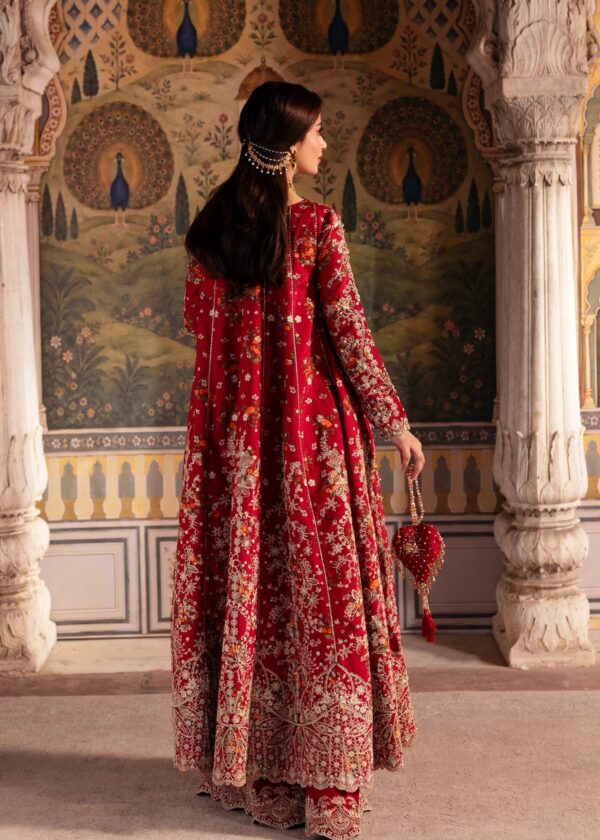
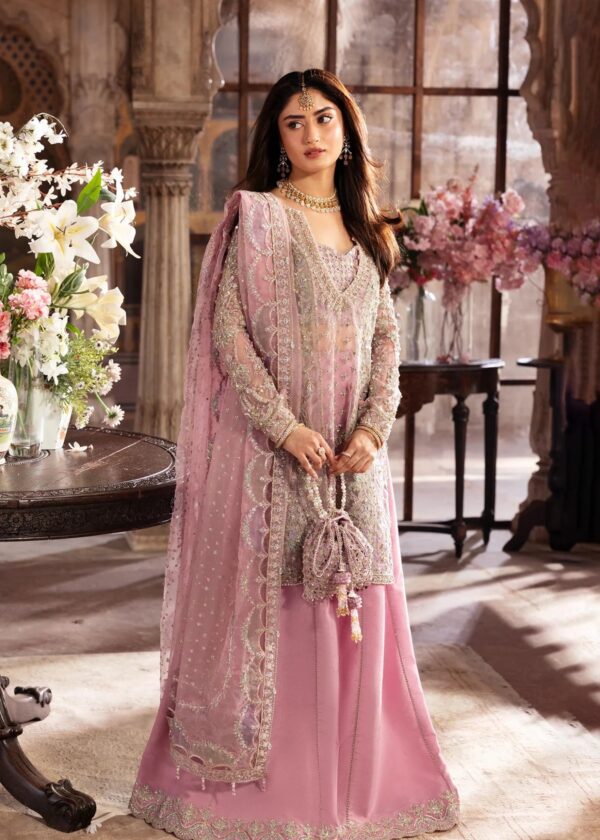
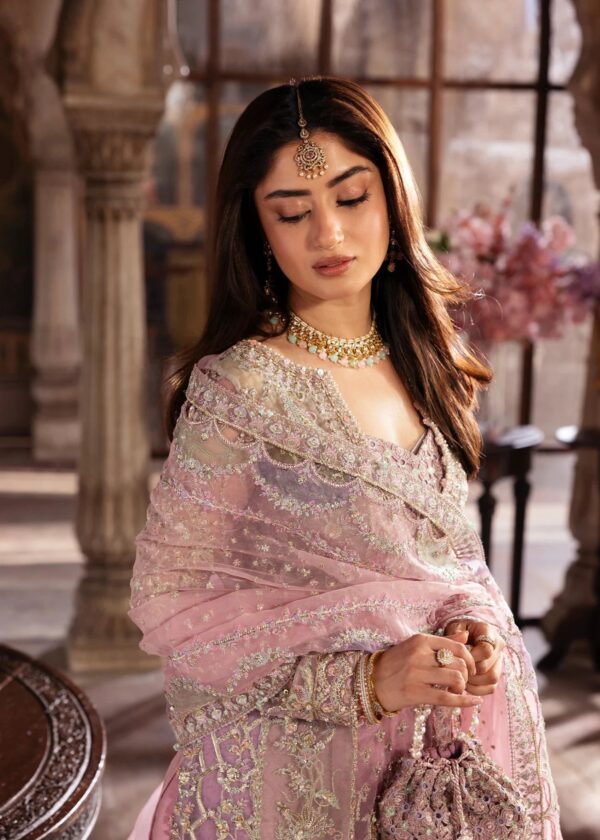
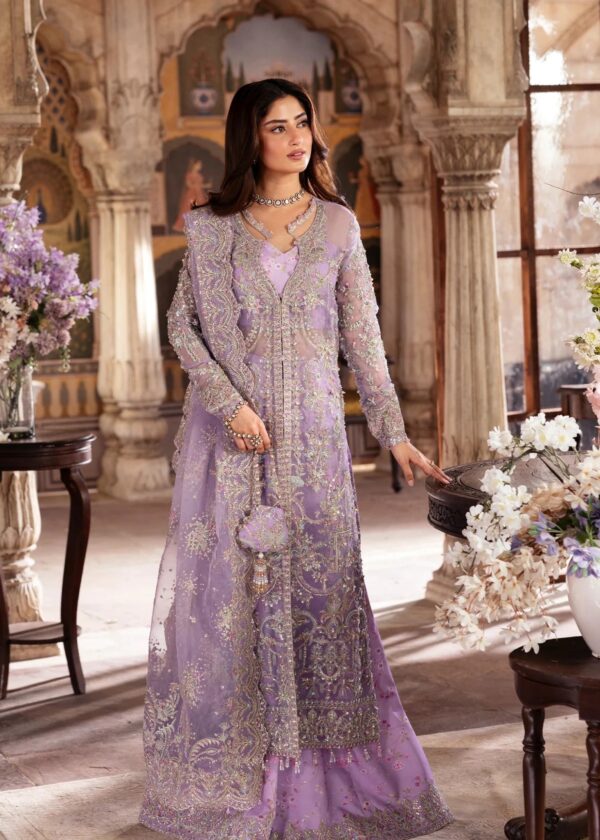
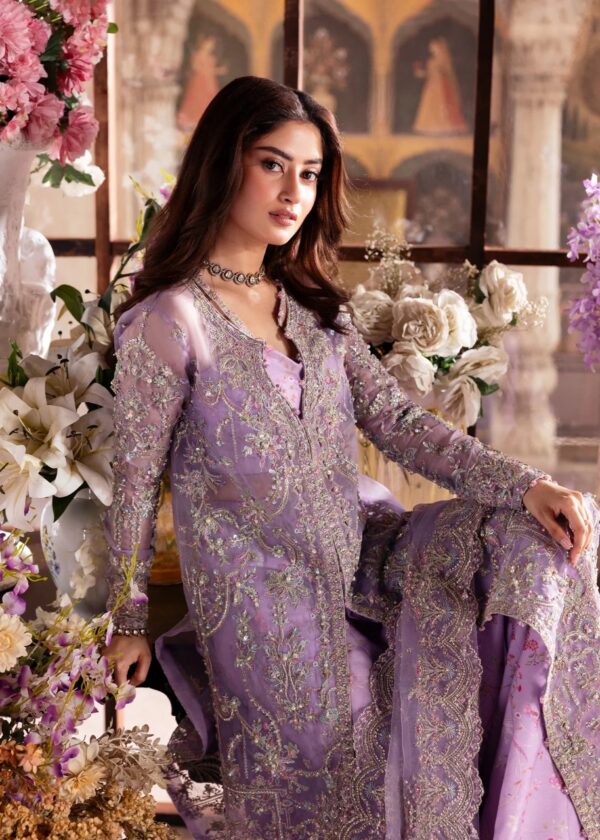
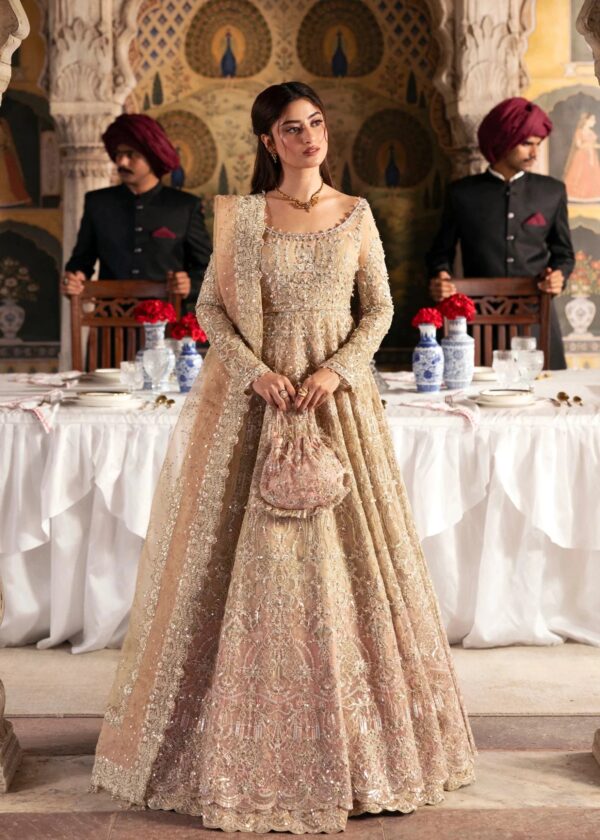
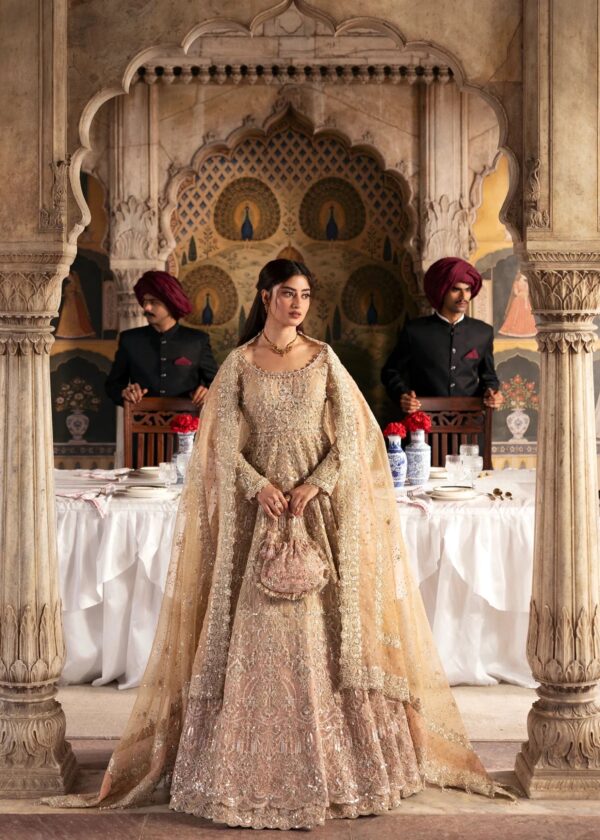
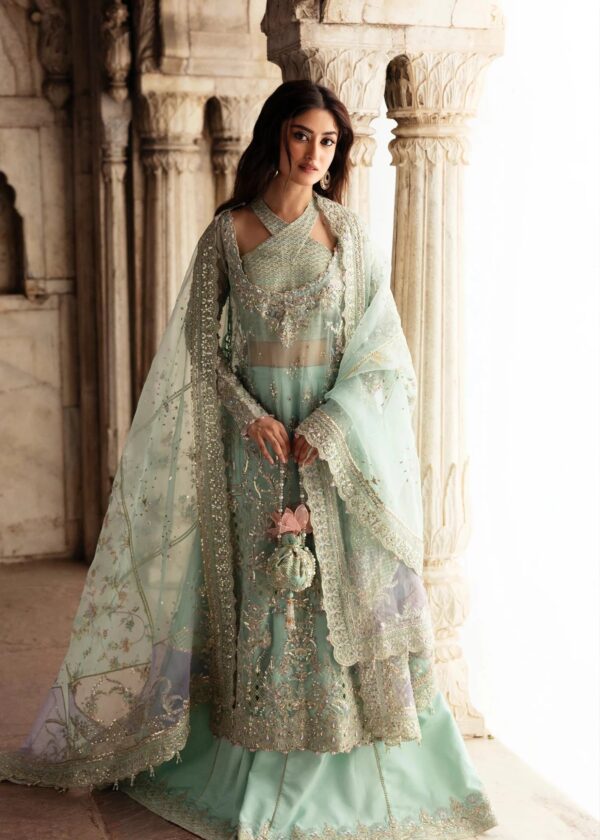
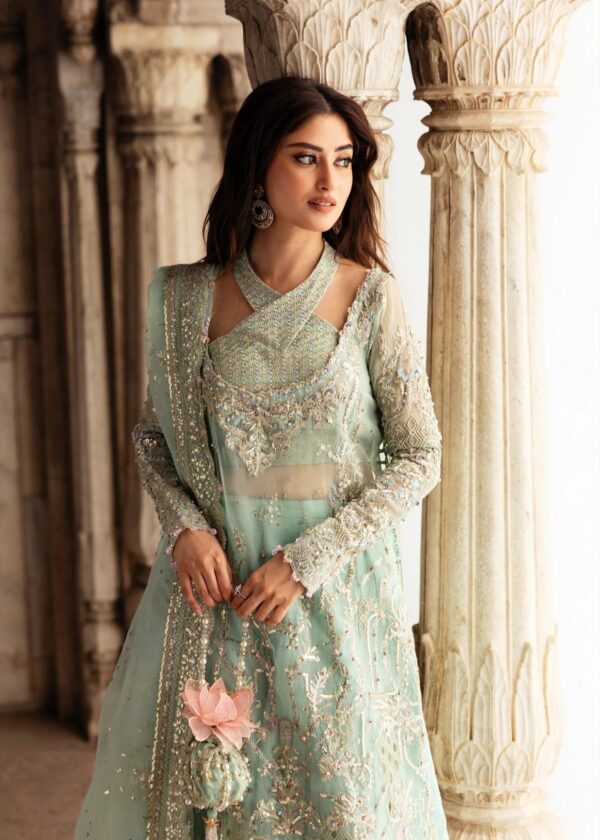
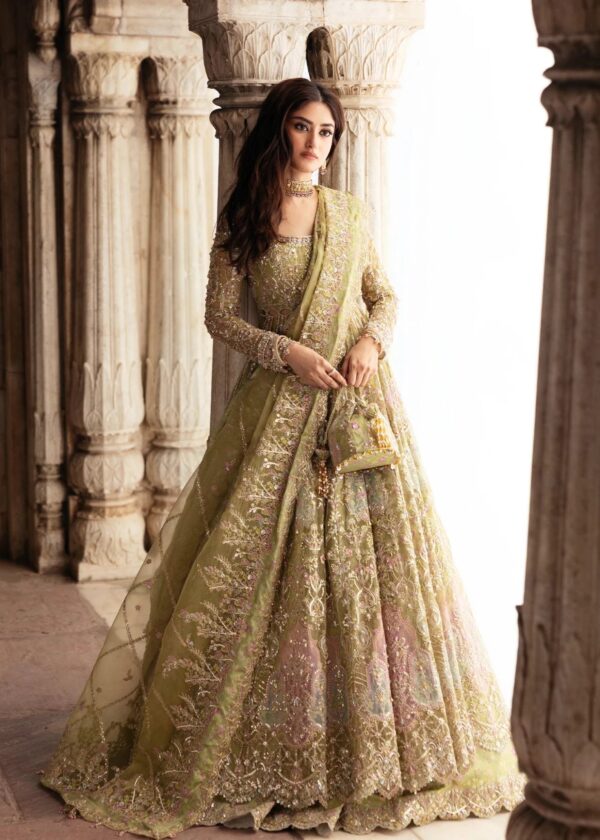
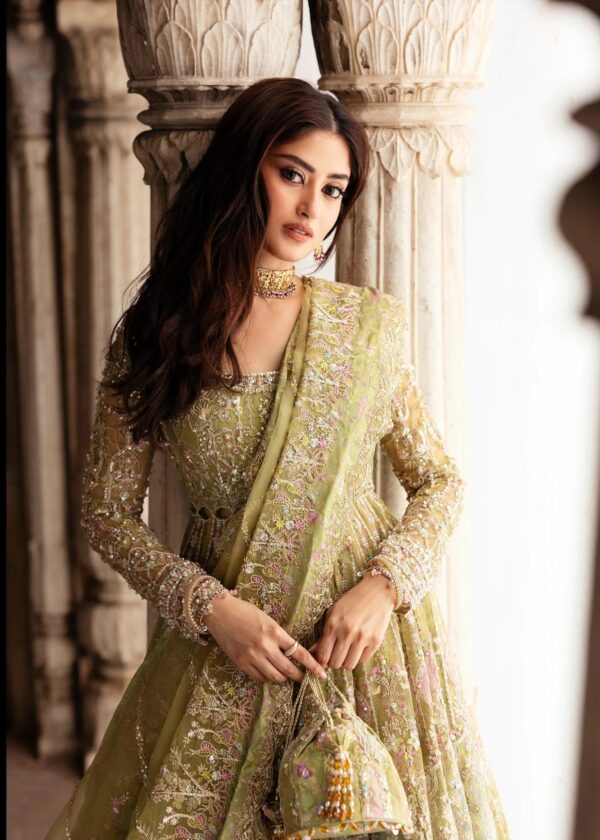
Use these latest arrivals as a starting point for comparison. Check each product’s format, included pieces, fabric and availability to decide whether it suits your Dussehra plans.
Find your Dussehra favourite
Choose a suit for the moments you are looking forward to, from a family lunch to an evening celebration.
Explore new arrivalsMake the purchase complete, not just attractive
Read the included-piece list carefully. A model’s jewellery, footwear, bag or styling accessory may not be part of the product, and not every suit includes the same components. For unstitched material, allow for tailoring and confirm that the fabric quantity supports your intended design. Choose that route only when the completion schedule works for your event, with room for a fitting and any adjustments.
Review the returns policy before paying: stitched, pret and custom-stitched products have restrictions, as do sale, offer and coupon purchases. Resolve questions about size and components in advance. Finally, include alterations and any genuinely needed accessory in your overall budget. A suit that works with footwear and jewellery you already enjoy can be a more satisfying purchase than one that requires replacing everything around it.
Dussehra outfit questions
Can I wear a simple salwar suit for Dussehra?
Yes, if it suits your gathering and family customs. A simple suit can feel festive through colour, a favourite dupatta or one carefully chosen accessory. You do not need heavy embroidery to look thoughtfully dressed. Start with an outfit you enjoy wearing and add only what makes sense for the occasion.
Which colour is best for a Dussehra outfit?
There is no single styling answer for every household or celebration. Follow any traditions meaningful to your family, then choose a colour you like. Warm brights, softer shades and deeper colours can all form attractive outfits. Matching your choice to accessories you already own often makes the look easier to complete.
How can I wear one suit for daytime and evening events?
Choose a comfortable base and change one focal point, such as your earrings or dupatta arrangement. Keep the footwear practical for the whole day if you cannot return home. A small refresh is enough; the aim is to feel ready for the next gathering without carrying a second outfit.
Should I buy stitched or unstitched for Dussehra?
Choose according to fit preference and the time available. Stitched garments still need a careful size check and may require alterations. Unstitched material gives you tailoring choices but adds another stage to the process. Confirm availability, completion and delivery estimates before deciding which option works for your celebration.