
Diwali Office Party Outfits 2026: Festive Suits That Work Beyond the Celebration
From a team lunch to an evening reception, choose an outfit that feels celebratory, suits your workplace and stays comfortable through the working day.
An office Diwali celebration has its own rhythm. There may be a morning meeting, a shared lunch, photographs with colleagues and a commute home before your family festivities begin. Your outfit needs to make sense through those ordinary moments as well as the photographs. A thoughtfully chosen salwar suit can do exactly that: bring colour and detail to the occasion while letting you sit, walk, work and enjoy yourself without constant adjustment.
The best starting point is your actual invitation. “Ethnic day” during normal office hours asks something different of your wardrobe from a formal evening dinner. This guide focuses on those workplace occasions, with practical outfit combinations, fabric checks and ways to wear the same pieces afterwards. For dressing at home or for a wider family celebration, explore our separate Diwali outfit guide.
Start with the celebration you are actually attending
Diwali falls on Sunday, 8 November in the Government of India’s 2026 holiday calendar. Your employer may celebrate on an earlier working day or arrange an evening event on another date. Confirm that date before ordering. Also check whether you will be at your usual office, an outdoor venue, a hotel or a client location. The venue, duration and activities tell you more about what to wear than the festival date alone.
Look at the whole day. If the programme follows several hours at your desk, choose something you can wear while sitting and working. If you can change after work, you have more freedom to choose a longer or more embellished outfit. A team lunch with a short photo session might need only one festive detail, while a dinner with dancing gives you a reason to add more colour, jewellery or a statement dupatta.
Check whether the invitation specifies traditional dress, a colour theme or a particular level of formality. These are local event preferences, not universal Diwali rules. Where participation is optional, you can mark the occasion with a scarf, earrings or a colourful kurta you already own. Feeling included should never depend on buying a completely new outfit.
Keep the celebration within your workplace’s usual boundaries
“Festive” does not automatically mean formal or heavily embellished. In a relaxed creative office, a bright printed suit may fit naturally into the day. In a client-facing environment, a clean silhouette with restrained embroidery may feel easier. Neither approach is inherently more professional. Use the written dress code, any event guidance and your knowledge of the organisation to make the choice, rather than relying on someone else’s idea of what women should wear to work.
Think about your role as well as the room. If you are presenting, welcoming visitors or helping organise the programme, choose sleeves and a dupatta that leave your hands free. If you work in a setting with machinery, a laboratory or other protective-clothing requirements, those rules still apply. A celebration does not make loose fabric or jewellery suitable around equipment. You can always change after leaving the working area.
Coverage is personal, and it is sensible to check it in the situations you will encounter. Sit in the outfit, reach forward and look at the neckline, side slits and sleeves. Test a light-coloured suit in daylight and bright indoor light. If you wear a headscarf, choose a combination that feels secure and comfortable to you; a second loose layer is not necessary unless you want it. The aim is to spend the event with your colleagues, without feeling preoccupied by your clothing.
Match your outfit to the programme
A useful way to narrow your options is to identify the most demanding part of the event. That might be a long commute, floor seating, carrying supplies or standing at a reception. Choose for that moment first, then add the festive details. This keeps a beautiful outfit from becoming an inconvenient one.
| Office occasion | A useful starting point | What to check |
|---|---|---|
| Team lunch during a working day | A printed or lightly embroidered straight suit | Comfort while sitting, sleeve length and jewellery that stays clear of your desk |
| Office puja followed by refreshments | An easy-fitting suit with a manageable dupatta | Local arrangements, seating and keeping fabric clear of lamps or candles |
| Activities, games and group photographs | An A-line kurta with comfortable trousers | Freedom to move, secure footwear and pockets or a small bag |
| Evening reception or dinner | A suit with richer texture or a decorative dupatta | Venue formality, temperature and whether dancing is planned |
You do not need to participate in a religious activity to enjoy the social celebration. Follow the organiser’s guidance and your own preferences. If the programme includes a puja, ask about practical arrangements rather than assuming a specific colour or garment is required. A considerate host will be more useful than a generic festival dress-code list.
Choose how the outfit feels, not just how it photographs
For a full working day, look closely at the layers touching your skin. A lightly embellished outer fabric can still feel substantial when paired with a dense lining. Cotton and cotton blends may suit a warm setting, but their weight, weave and finish vary. Chiffon and organza describe fabric constructions; neither name by itself tells you the fibre content or guarantees coolness. Read the listed composition and assess the complete garment.
Embroidery placement matters when you will be seated for hours. Dense work at the back can press against a chair, while raised embellishment near the cuffs can catch on a desk. A decorative neckline, a narrow embroidered hem or detail on the dupatta may give you the festive effect you want with less contact at pressure points. If you are sensitive to texture, check whether embroidery is backed or lined.
Compare garment measurements with a well-fitting outfit you already own, paying attention to the bust, shoulder, armhole, hip and trouser length. Allow the room you need for sitting and reaching; a familiar size label is only a starting point across different designers. Try the finished outfit with the intended underlayers and footwear. If the trousers need shortening or a fastening needs adjusting, discovering that before the working day makes everything easier.
Five combinations for different kinds of office celebration
A printed suit with one decorative accent
For a lunchtime event, start with a printed straight-cut suit in a colour you enjoy wearing. Add small earrings and a dupatta with a contrasting border, keeping the rest uncomplicated. For example, a blue print with a warm rust accent can feel considered without needing sequins. Check that the print scale and contrast appeal to you in person, and choose footwear you can comfortably wear for the journey as well as the celebration.
A tonal suit with texture
If you prefer a quieter look, choose similar shades across the kurta and trousers, with interest coming from embroidery or fabric texture. Sage, plum, navy, rose and cream are possibilities, not required palettes. A textured neckline can frame the face in photographs while leaving the sleeves simple. Keep jewellery proportional to the detail already present: small studs may be all you want when the neckline carries the decoration.
A bright A-line kurta with simple trousers
An A-line shape can offer comfortable movement for games, arranging decorations or walking between meeting rooms and the event space. Pair a brighter kurta with trousers that sit securely and do not trail underfoot. If the kurta has fuller sleeves, test them while reaching across a table. A crossbody bag for the commute and a small pouch for the event can help you avoid carrying a bulky work bag into photographs.
A simple suit with a statement dupatta
This is a useful option when you want to wear pieces already in your wardrobe. Start with a suit whose fit you trust, then choose a dupatta that brings colour, a woven pattern or embroidery. Test the drape before leaving home. A heavy border can pull a light fabric off the shoulder, so adjust the fold or secure it in a way that suits the material. Keep the ends clear of your work surface.
A richer evening suit with uncomplicated accessories
For a reception after office hours, consider a deeper colour, a subtle sheen or more decorative surface work. The level of embellishment should follow the invitation and your taste. A suit with a striking front needs little additional jewellery; comfortable shoes and a compact bag may complete it. If you are changing at the office, check where you can do so and carry the garment in a cover that protects delicate details.
Make the transition small and realistic
A change of dupatta and earrings is often more useful than carrying an entire second outfit. Wear the base suit through the working day, then add your decorative layer when the celebration starts. If you use a headset or spend time on calls, save larger earrings for later. Pack them in a small case so they do not catch on the fabric in your bag. Keep any accessory change simple enough to manage in a few minutes.
Choose one place for visual emphasis. It could be a patterned dupatta, embroidered neckline or colourful earrings. You can certainly combine several details if that is your style, but each additional element brings another thing to carry or adjust. The working-day version should feel complete on its own, so a delayed meeting or a changed schedule does not leave you feeling half-dressed.
Prepare your layers for the actual environment. A light cardigan or shawl may be useful in strong air-conditioning or outdoors after sunset, while a warm indoor venue may call for less. Check the local forecast close to the event. October and November do not bring the same conditions everywhere in India, and the right layer is the one that works for your location.
Plan for the commute and the hours between photographs
A successful office outfit starts before you reach the venue. Consider stairs, public transport, walking distance and where your bag rests against the fabric. Keep long hems and dupatta ends clear of escalators, vehicle doors and crowded walkways. If delicate embroidery sits where a shoulder strap rubs, use another bag or protect the outfit during the journey. These small details matter more on a busy weekday than in a changing-room photograph.
Try your shoes for the distance you expect to walk. There is no need to choose heels for an office celebration; flats, juttis or other suitable footwear can work with a festive suit. Fit and grip matter more than the category. If you carry a second pair, pack them separately from your clothes. Take a compact pouch for your essentials so you can leave your work bag safely where the venue allows.
Before leaving home, do a quick movement check: sit, reach, climb a step and walk at your normal pace. Adjust anything that pulls, slips or trails. Keep loose fabric away from lamps and candles at the venue, whatever the fibre or style.
Choose pieces you will enjoy wearing again
Before buying, picture two other occasions for the outfit. A printed kurta might work with plain trousers for an ordinary office day. A decorative dupatta could accompany a simpler suit for a family lunch. A lightly embroidered set may suit a birthday dinner or another gathering. You do not have to make every garment work everywhere, but a clear second use helps you decide whether the purchase belongs in your wardrobe.
Check the care instructions against your routine. A garment needing specialist cleaning may be right for occasional wear but less convenient for frequent work use. After the event, inspect cuffs and hems, allow the outfit to air appropriately and follow the label’s cleaning and storage guidance. Keep embellished pieces from snagging against rough fastenings. For everyday styling once the festive programme is over, our office ethnic-wear guide offers a separate starting point.
Why shop for your office celebration at The Fashion Station?
The Fashion Station brings original designer collections together in one place, which makes a specific brief easier to shop. You can begin with the working day you have planned, then compare colours, silhouettes and fabric descriptions across labels instead of choosing an outfit only because it looks festive. Our Pakistani designer suit collection is a useful starting point for discovering different approaches to print, embroidery and occasion dressing.
That variety matters for office celebrations. One shopper may want a printed suit she can wear regularly; another may need a more decorative set for a formal reception. Our designer directory includes labels such as Maria B, Qalamkar and Zara Shahjahan, while the product details let you compare what is included and how each outfit is offered. You can make those comparisons on an India-based store with prices in rupees, then build a shortlist around your own preferences.
Use the collection pages for discovery and the individual product page for the final decision. Look at the garment or fabric description, available options, measurements and displayed dispatch information. A compelling photograph is a beginning; the right purchase is the one whose details match your event, your fit needs and your plans for wearing it again.
Check the practical details before placing your order
Ready-to-wear means a finished garment; ready-to-ship refers to dispatch availability. They answer different questions, and neither alone guarantees arrival before your office event. If timing is important, start with the ready-to-ship collection and confirm the specific item’s estimate for your destination. Leave room for any adjustments you may need after trying it on.
For an unstitched set, confirm the included pieces, material quantities and your tailoring plan before ordering. Optional stitching is available only for eligible orders, and its completion time must fit your schedule. Do not assume accessories, lining or every photographed component is included. Read the returns policy before purchase: exclusions apply, including to stitched, pret, custom-stitched and sale, offer or coupon purchases. These details help you compare the complete commitment, not just the displayed outfit.
Explore current arrivals
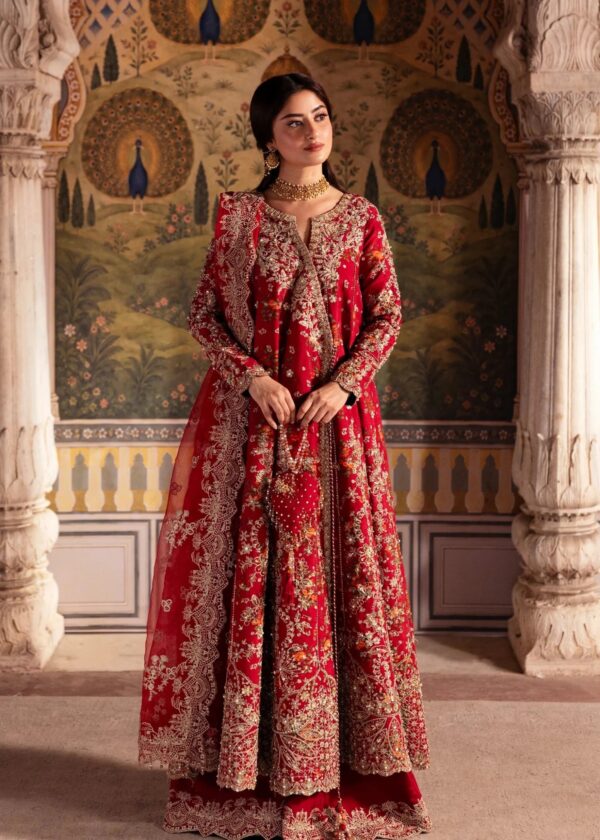
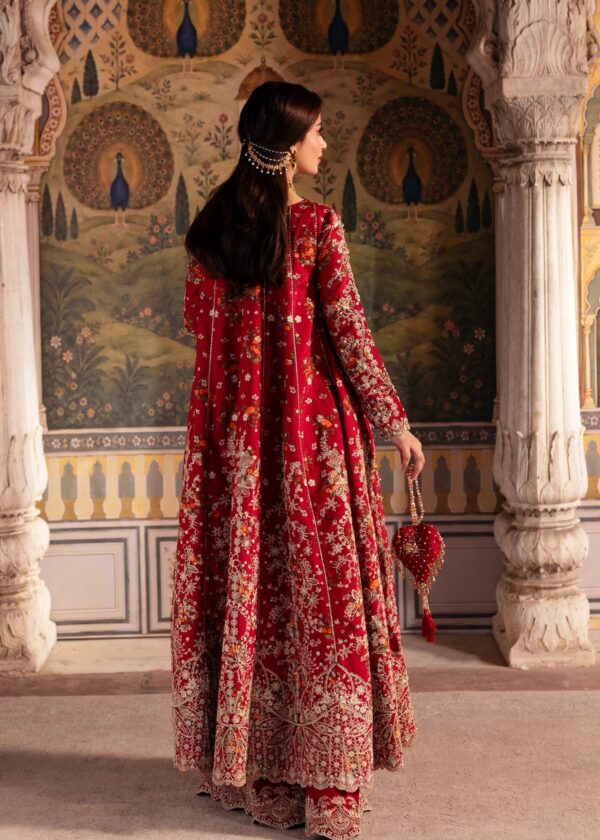
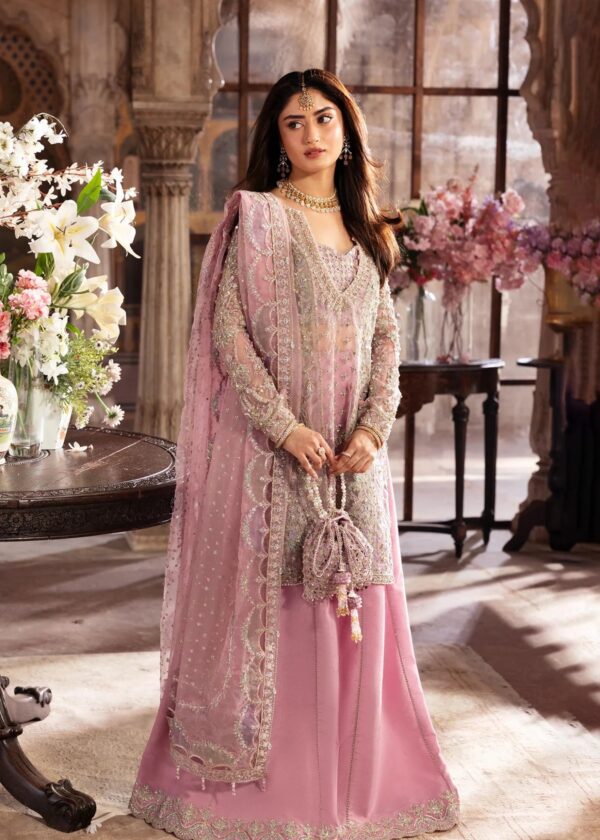
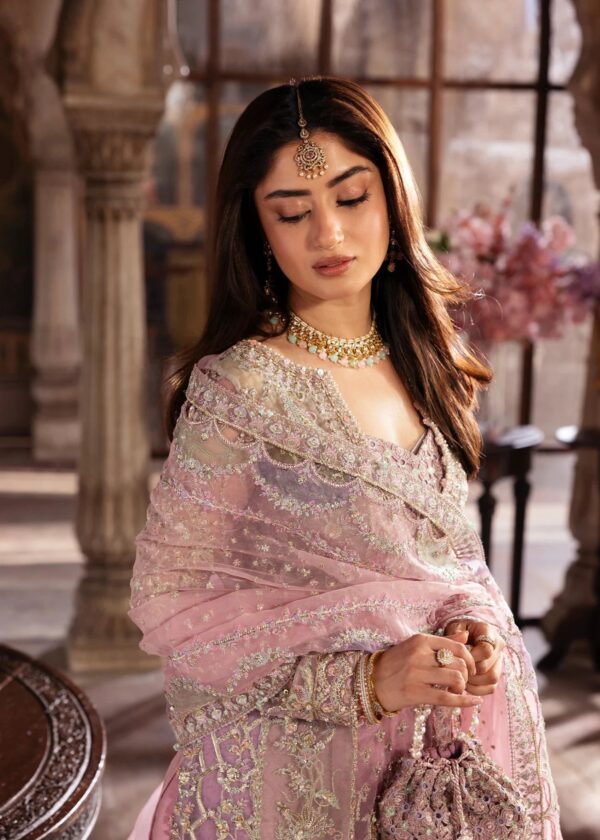
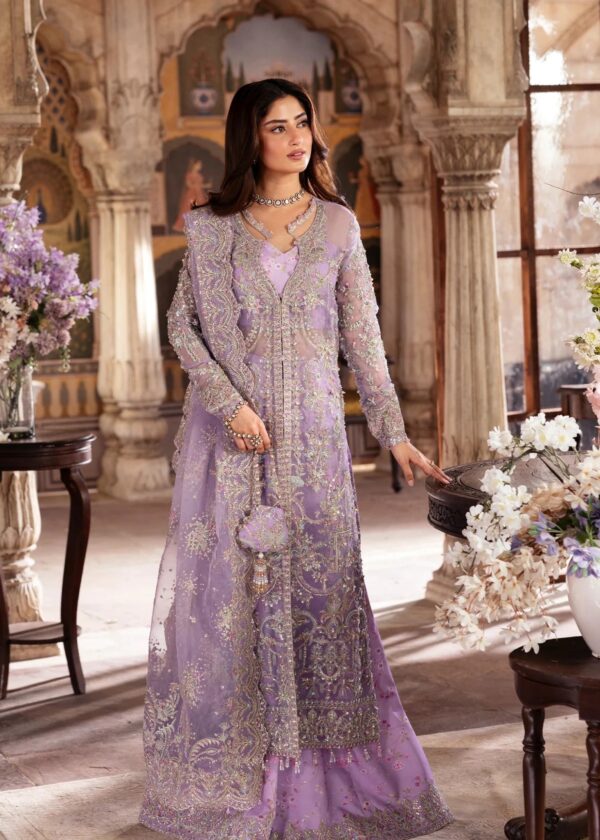
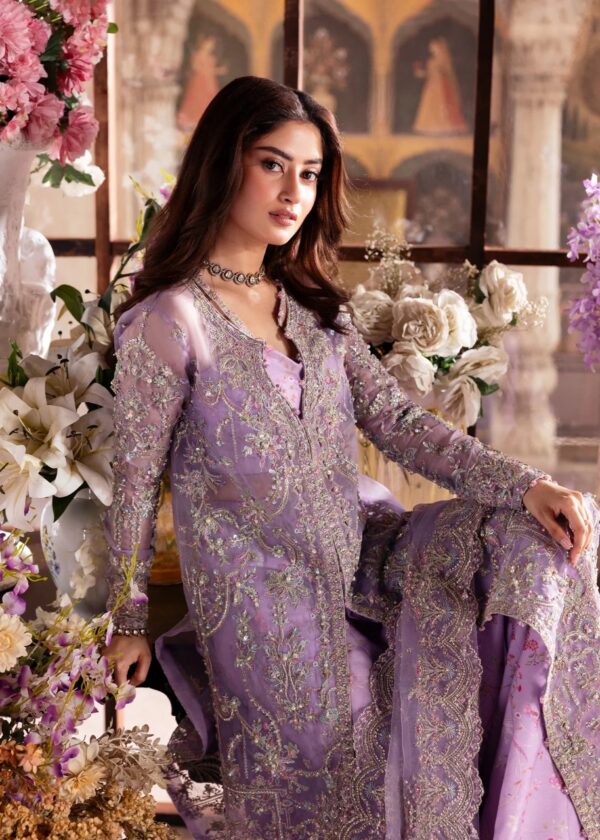
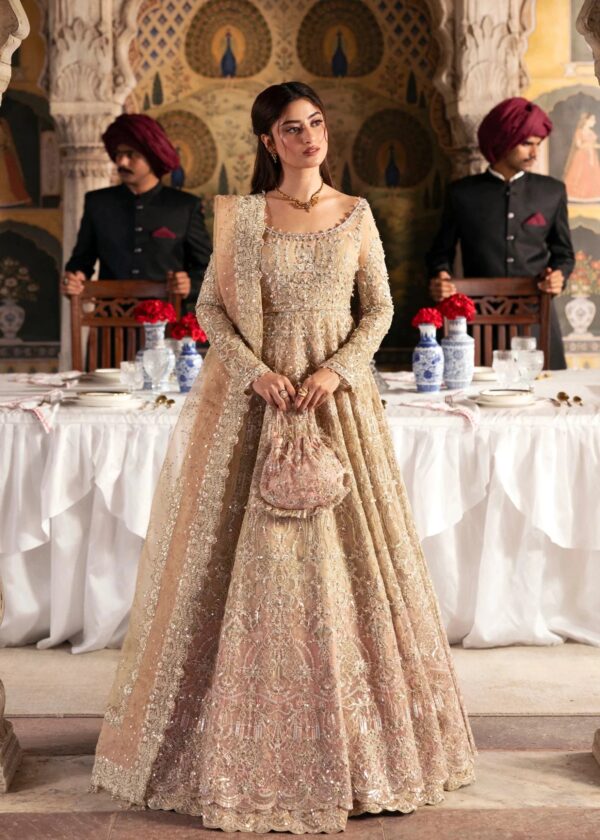
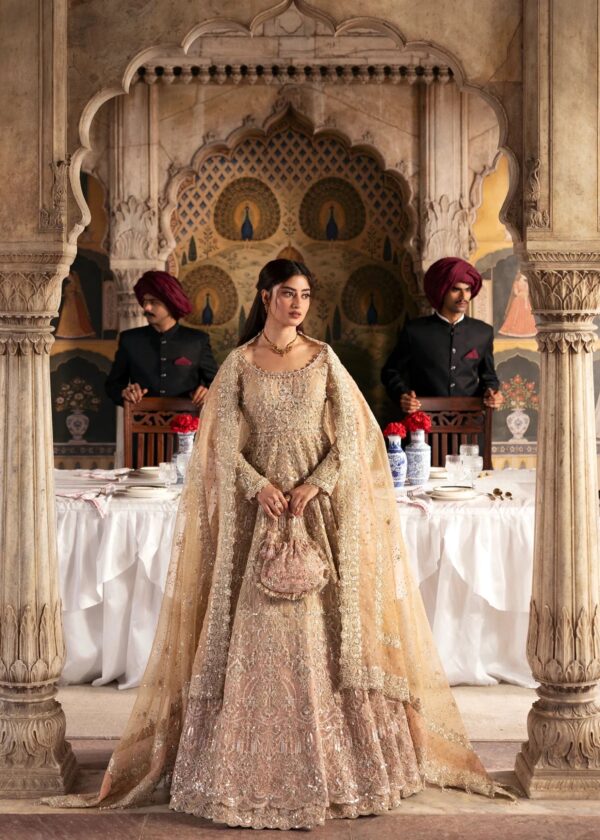
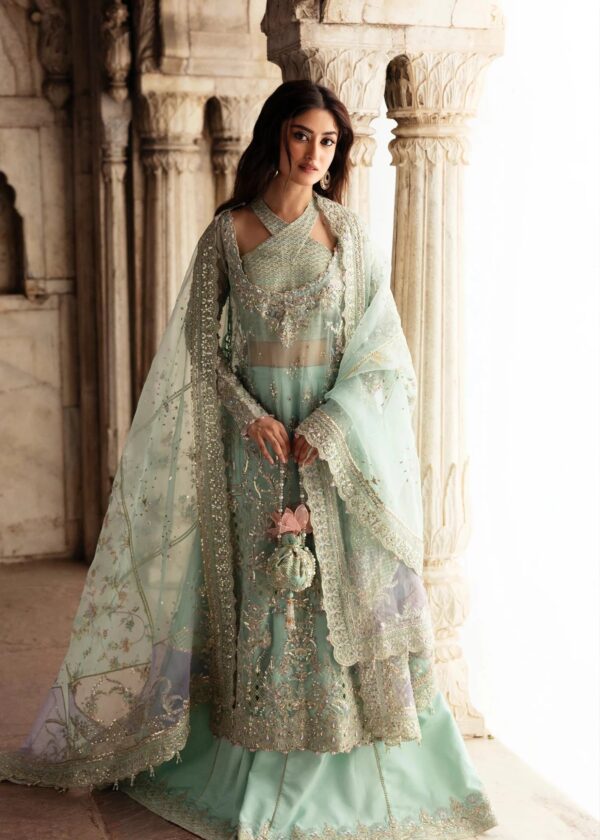
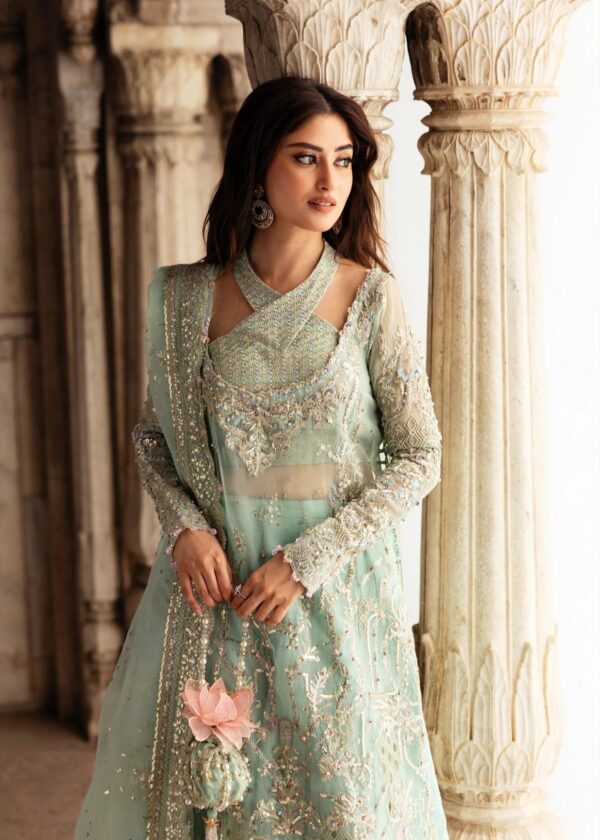
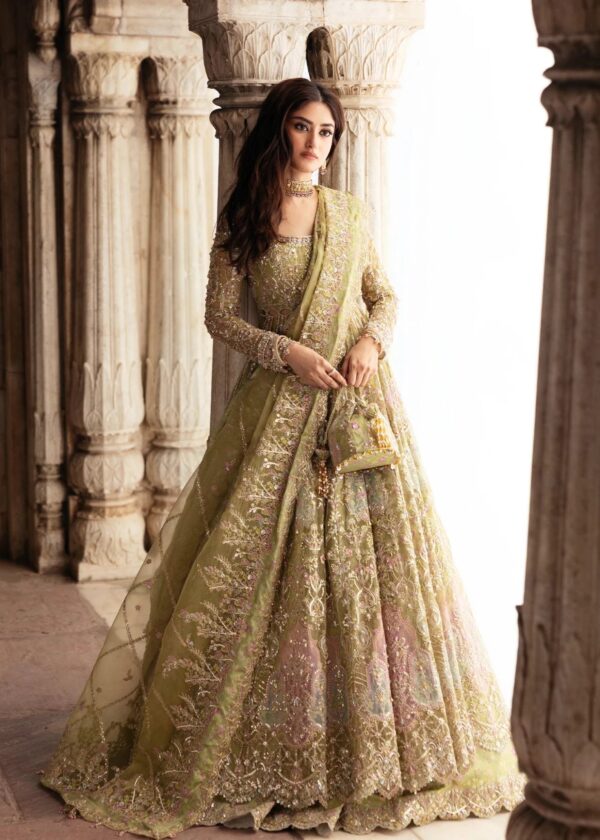
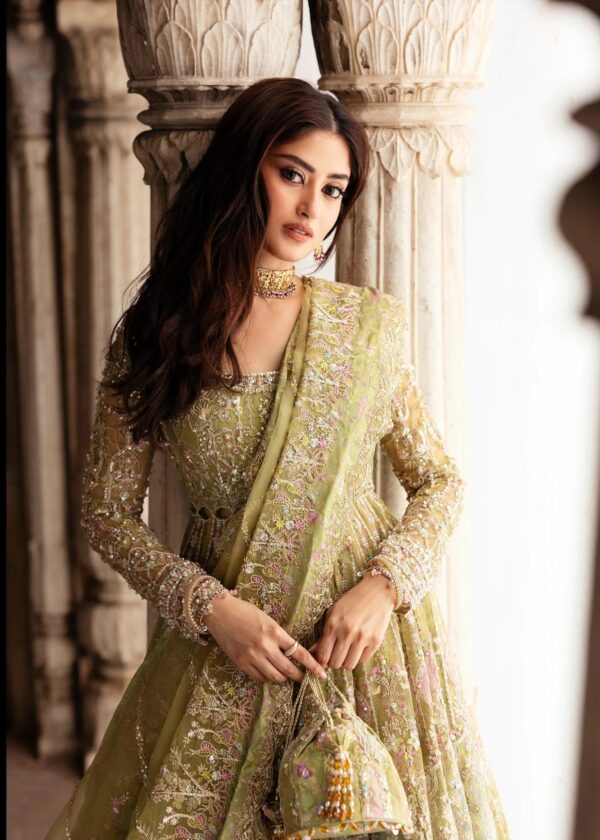
Browse the latest additions, then open the designs that fit your workplace celebration. This selection changes with the catalogue; use each product’s details to decide whether it suits your occasion.
Find a festive outfit with a future in your wardrobe
Explore current collections and choose the colour, fit and level of detail that feel right for your celebration.
Explore new arrivalsDiwali office outfit questions
Can I wear a bright colour to an office Diwali party?
Yes, if it fits your workplace’s event guidance and feels comfortable to you. You can use colour through the whole suit or a smaller detail such as a dupatta. There is no universal office Diwali palette. Check any theme in the invitation before deciding, and consider whether you will also attend meetings or visit clients that day.
How much embroidery is suitable?
Let the programme guide you. Light detail may be easier for a working-day lunch, while an evening reception can accommodate more decoration. Check where the work sits: cuffs should not catch on your desk, and dense back embroidery may feel uncomfortable against a chair. Choose the amount you enjoy wearing, within any workplace requirements.
Do I need a new outfit for the celebration?
No. A well-fitting suit you already own can feel different with another dupatta or a favourite accessory. Try the combination in advance and check that the pieces are clean and ready to wear. Buying something new makes sense when it fills a real wardrobe need or brings you enjoyment beyond a single photograph.
Should I choose stitched or unstitched for an office event?
Choose according to fit preferences and the time available. A finished garment lets you assess an existing cut, although adjustments may still be needed. Unstitched fabric offers more tailoring choices but requires a confirmed plan and additional time. For either format, check measurements, included pieces and the item’s delivery estimate before committing.