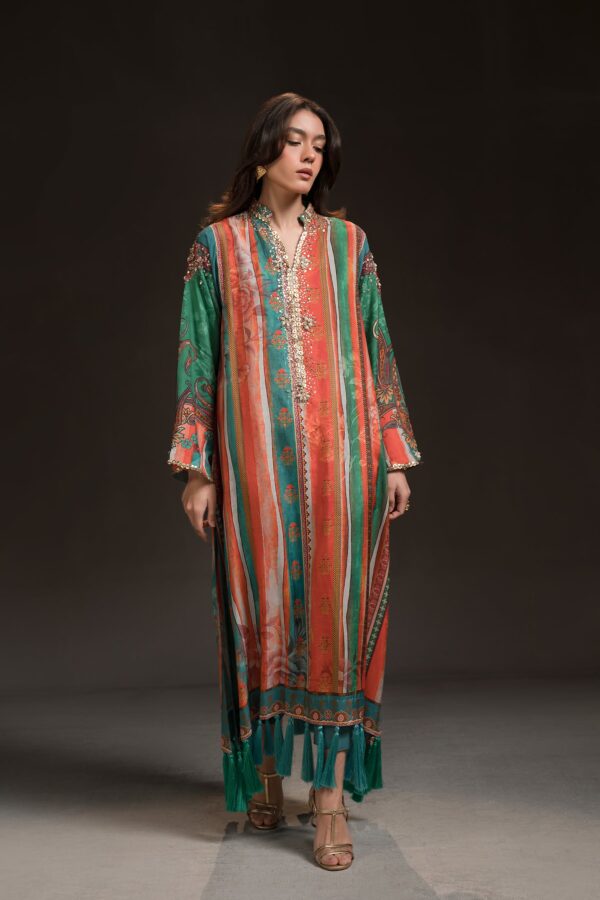
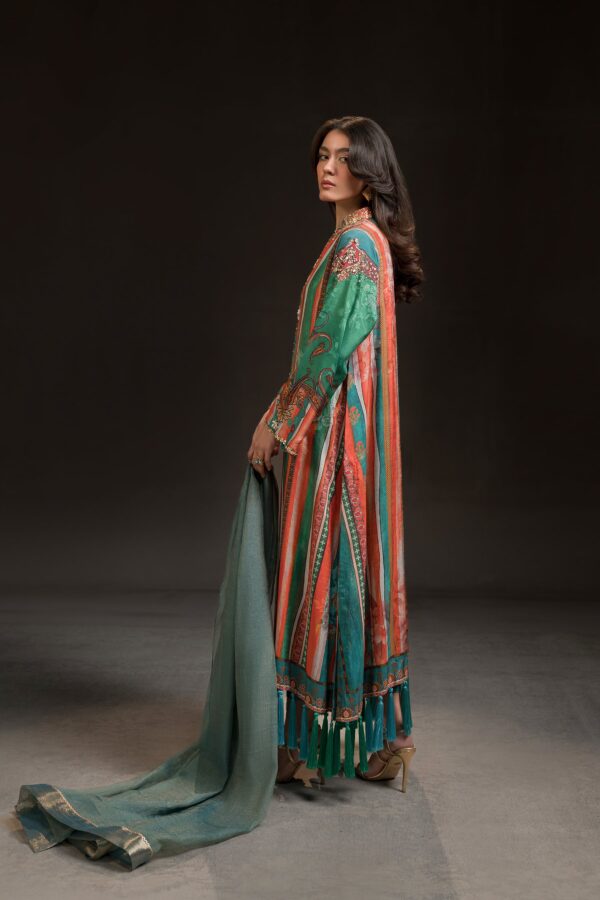
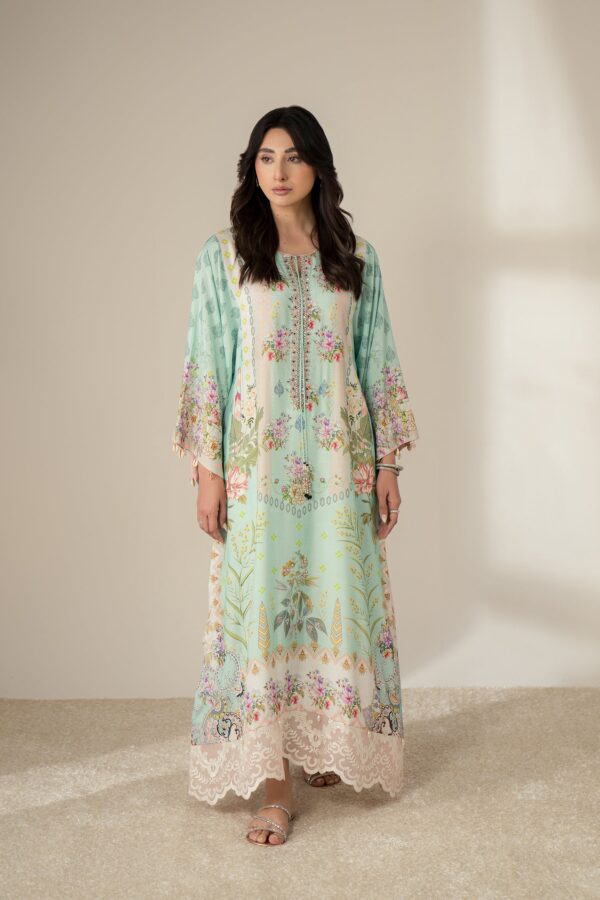
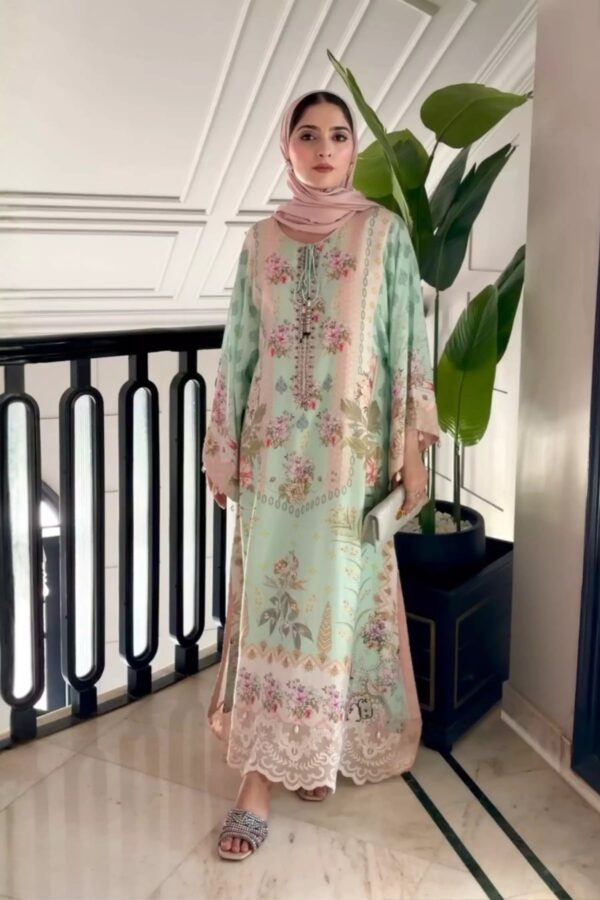
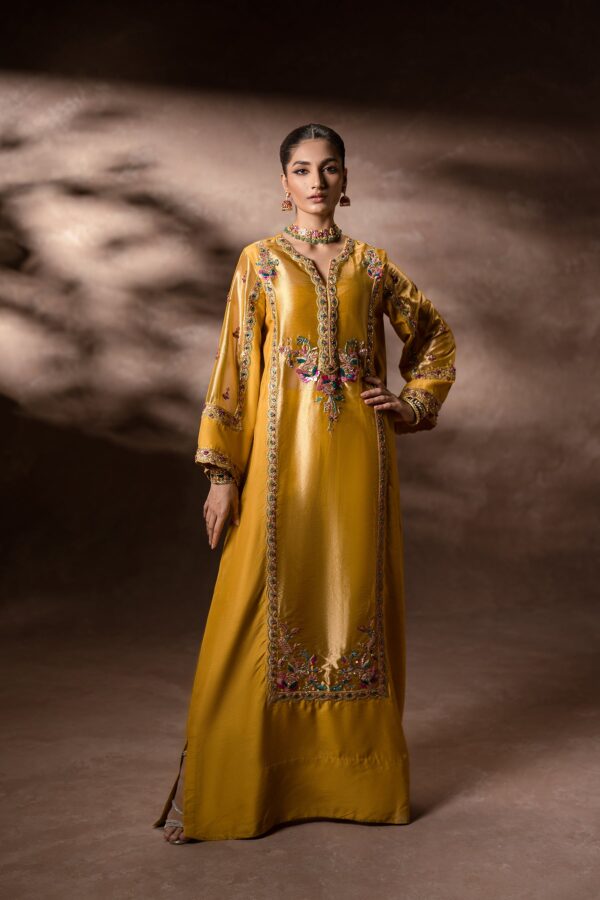
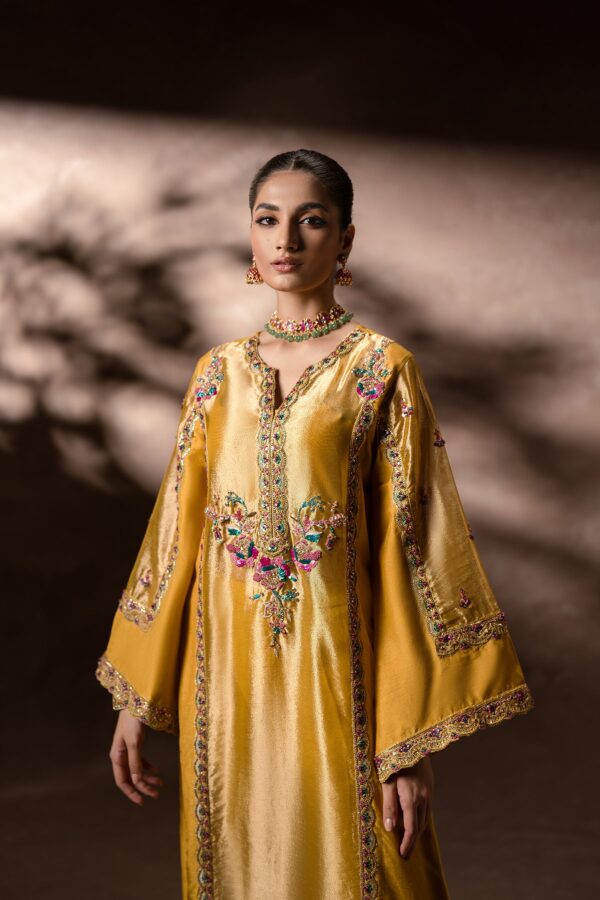
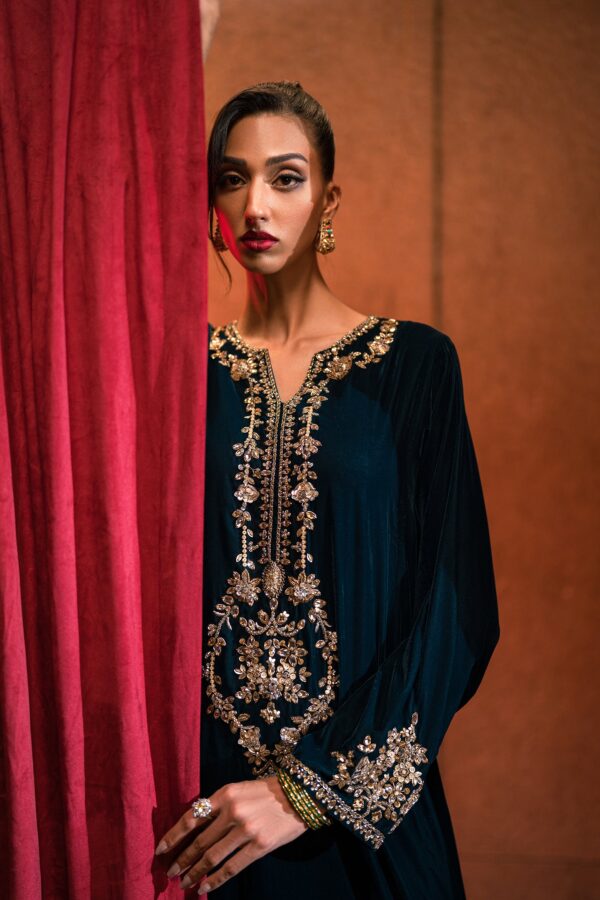
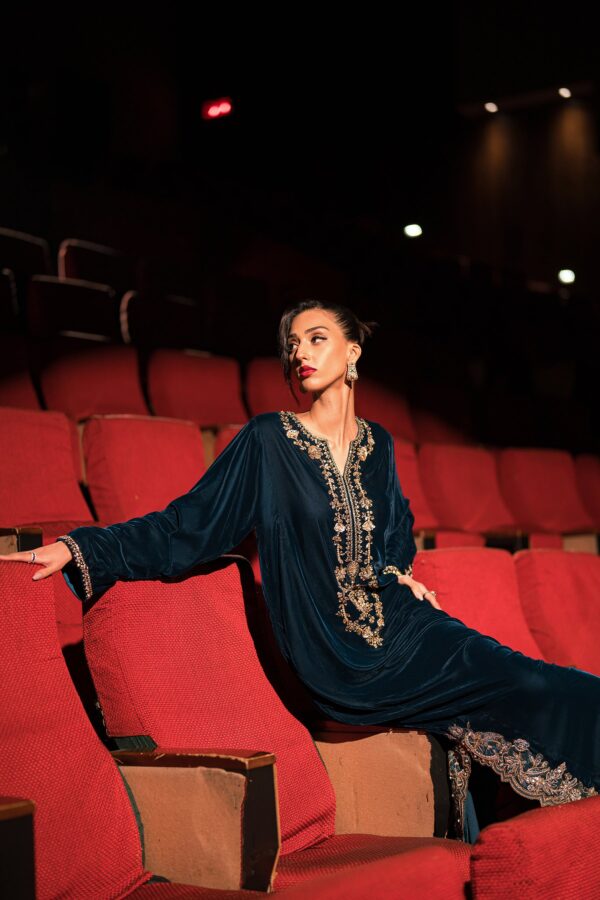
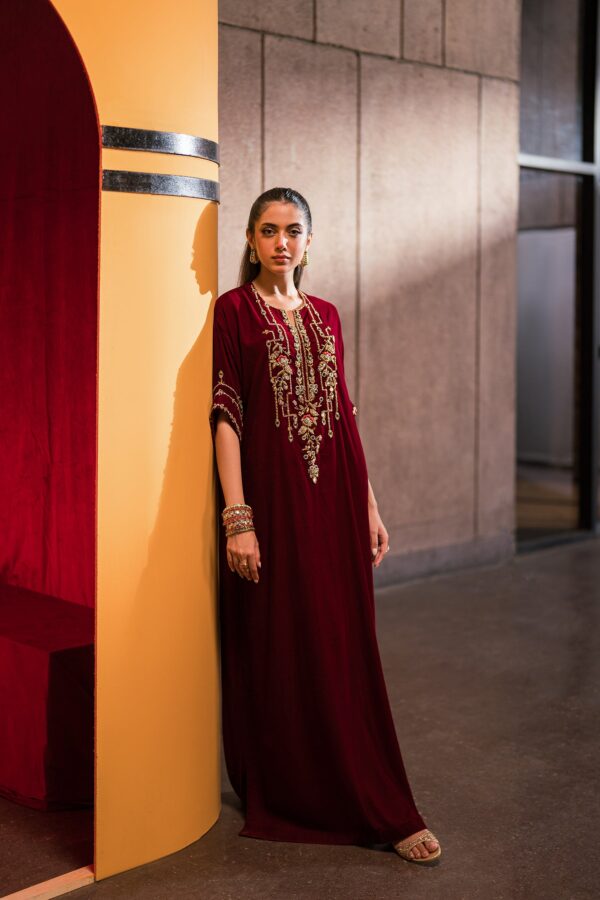
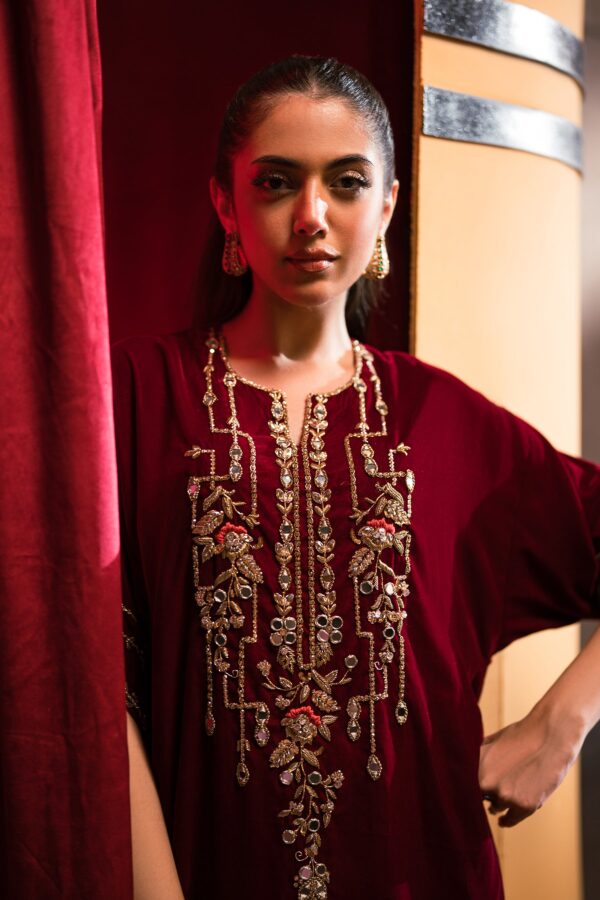
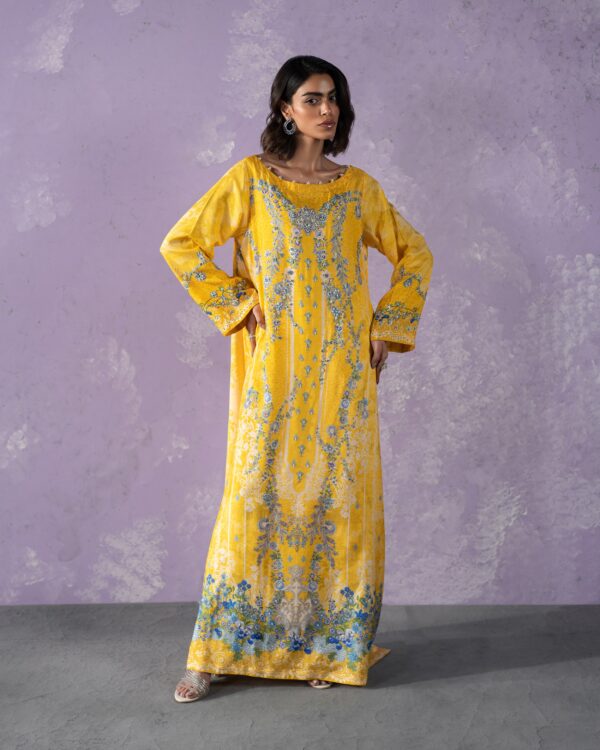
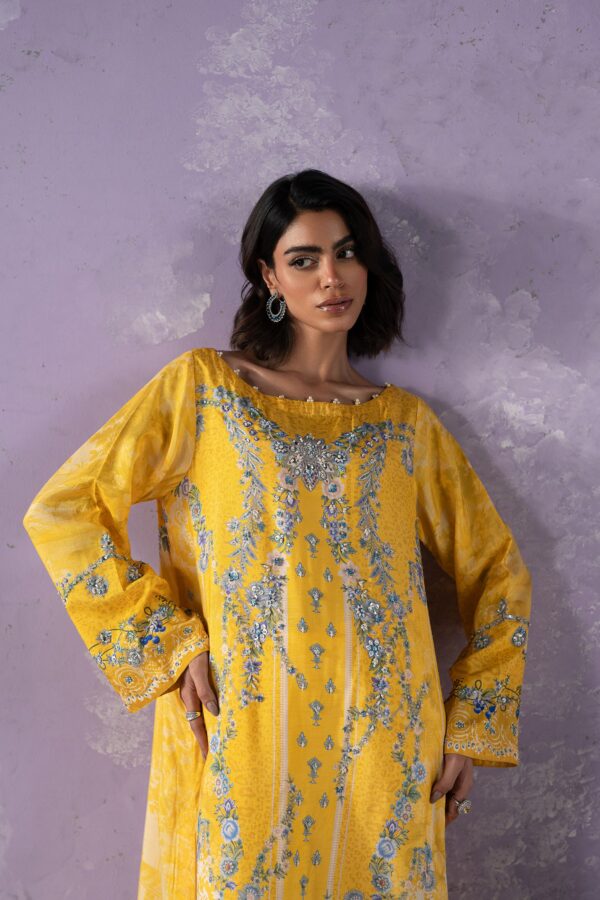
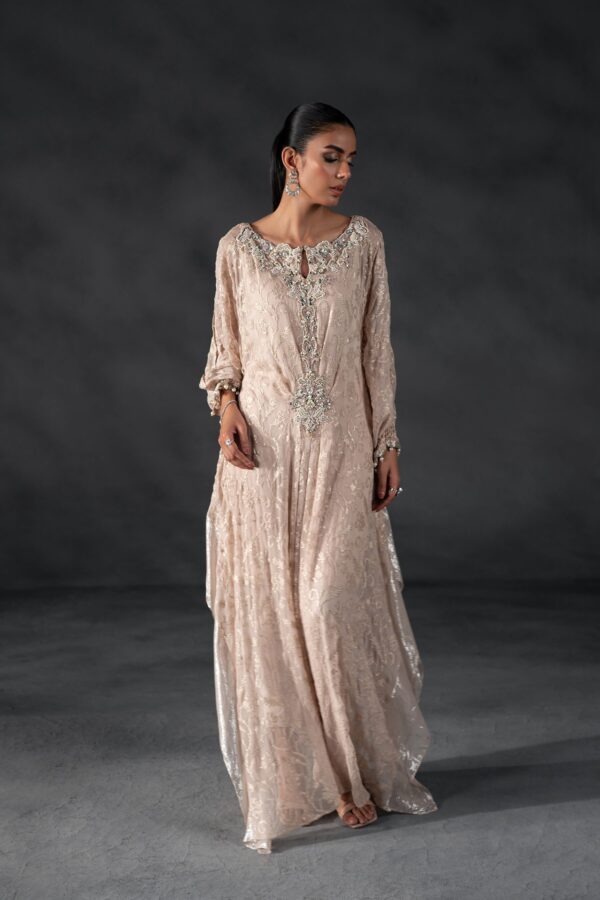
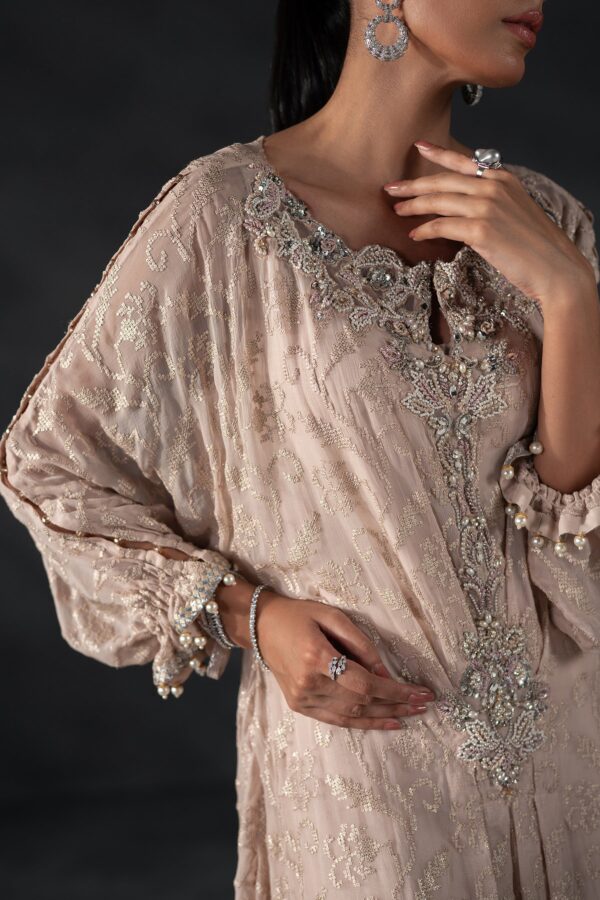
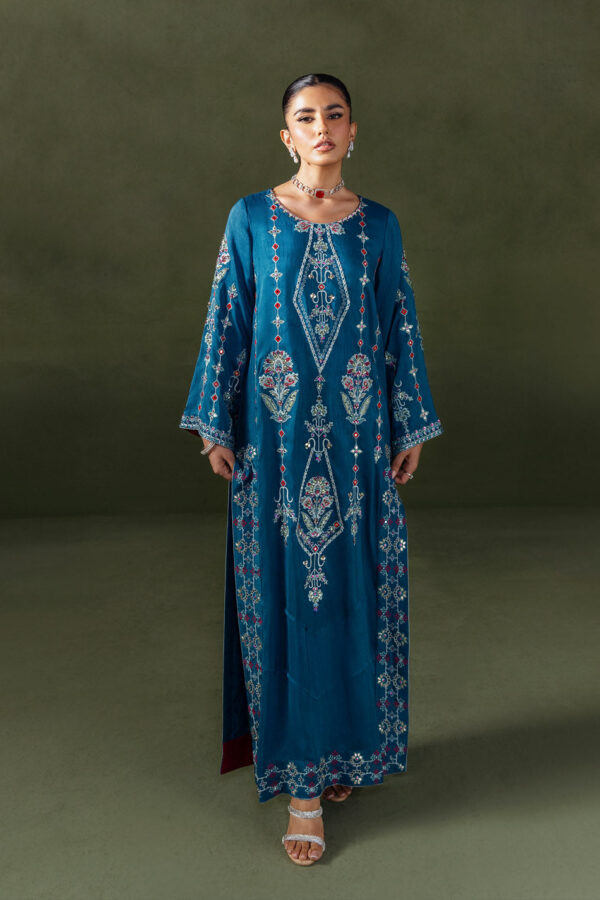
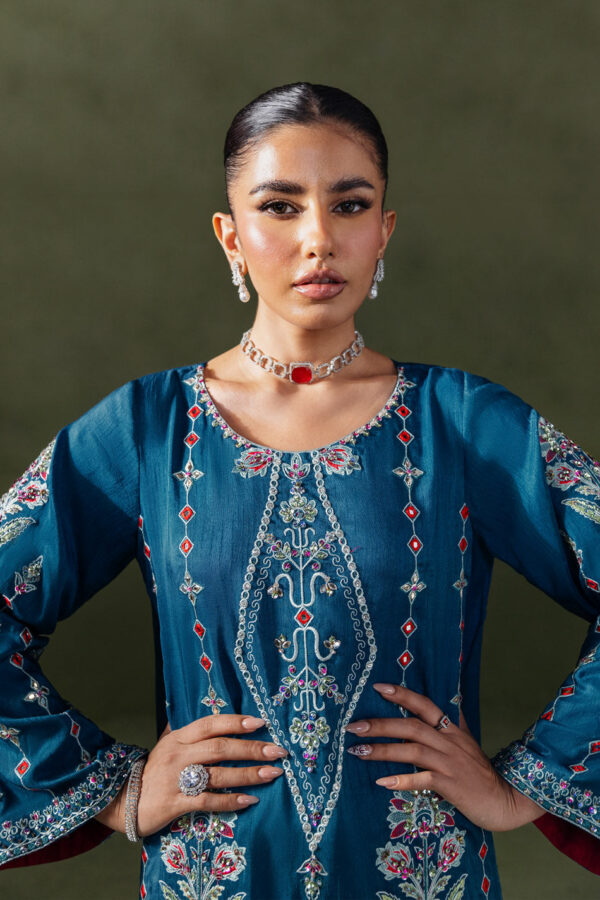
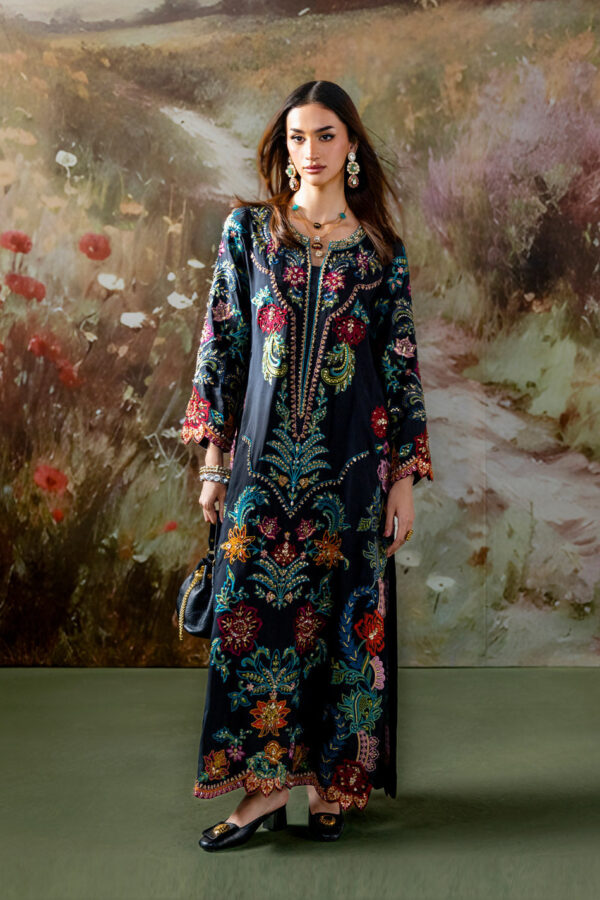
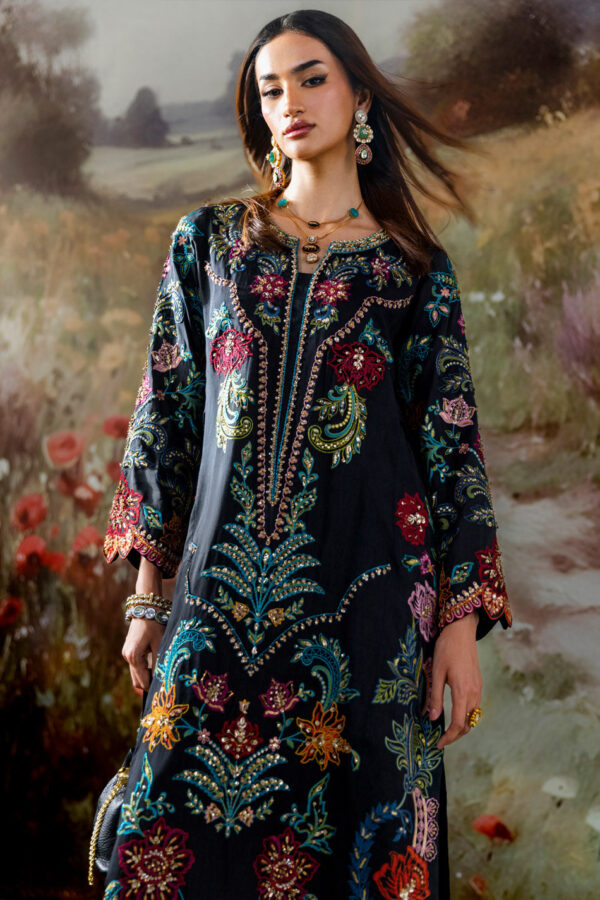
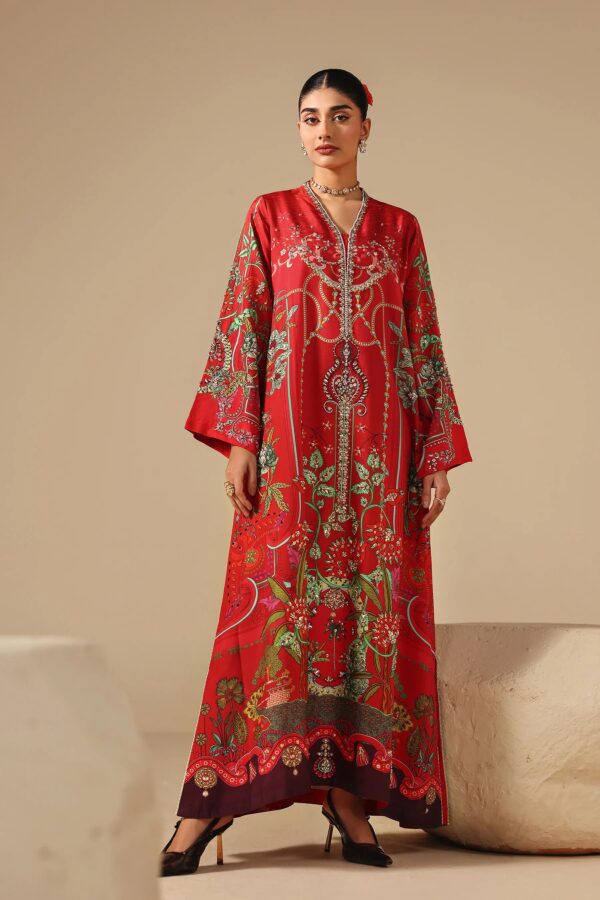
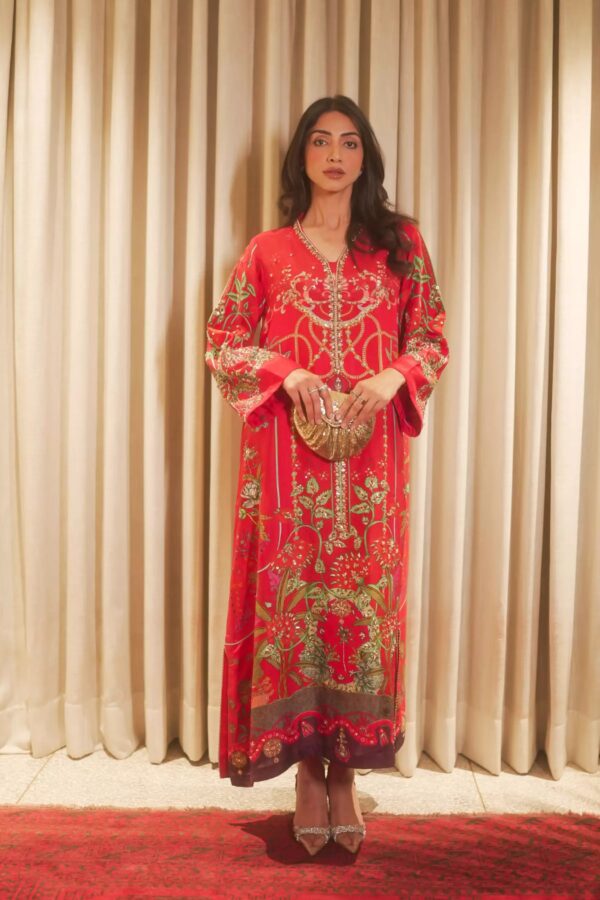
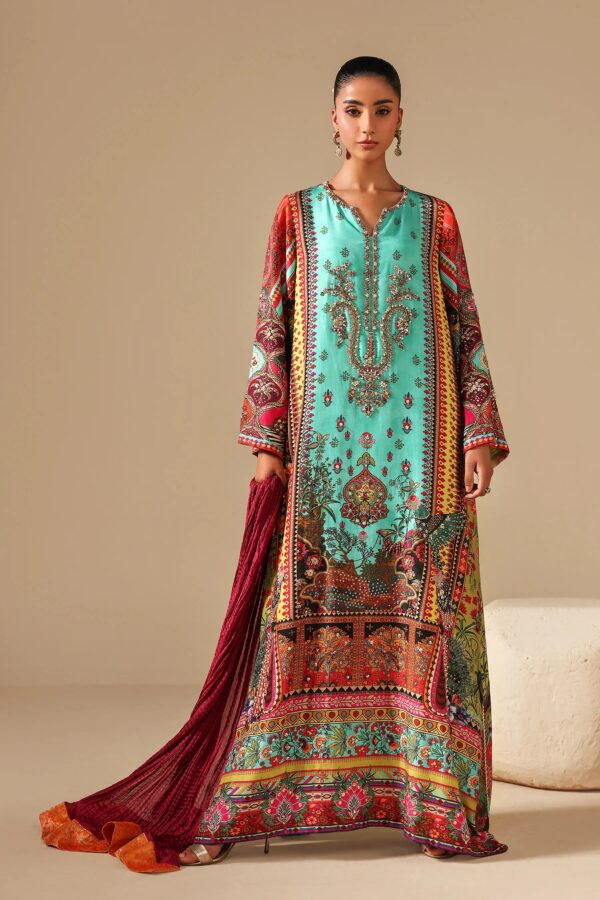
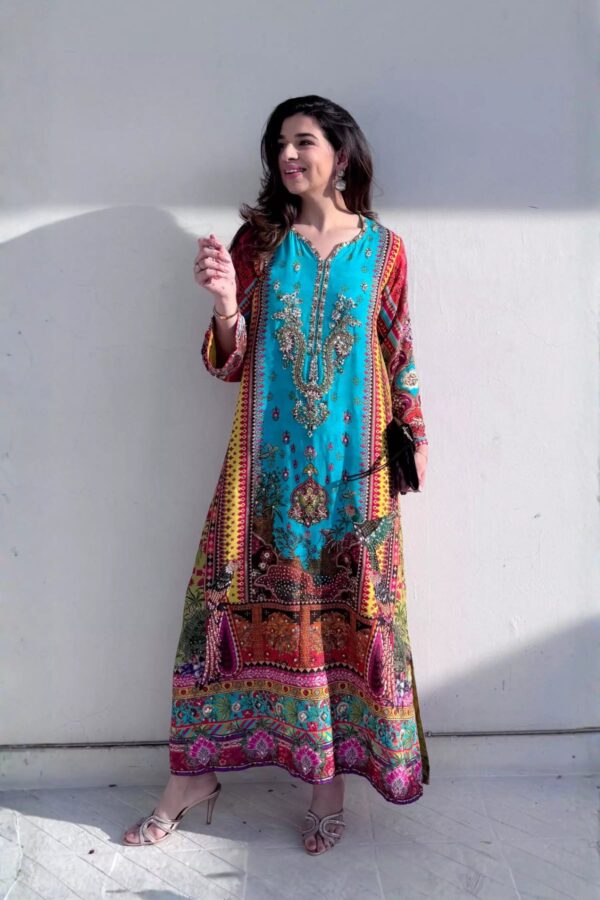
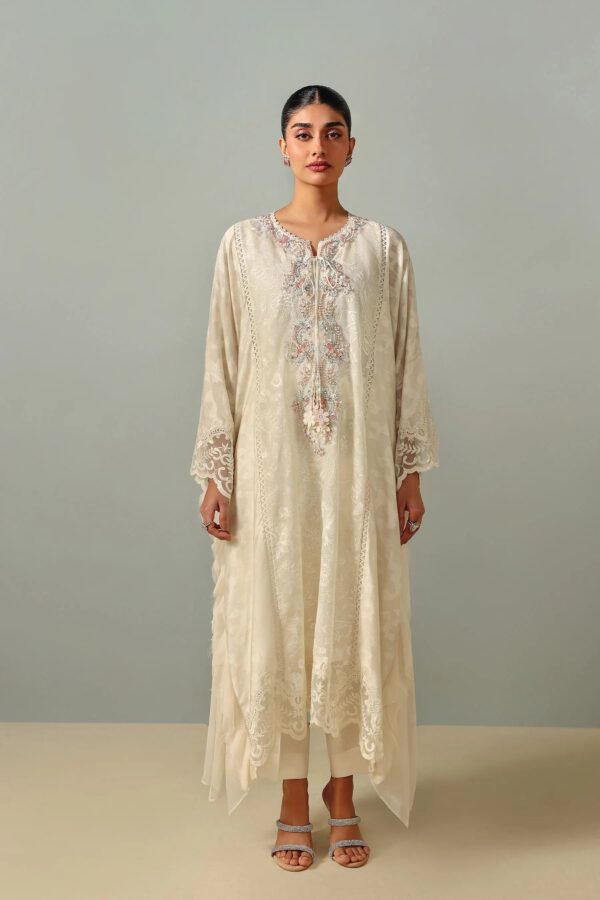
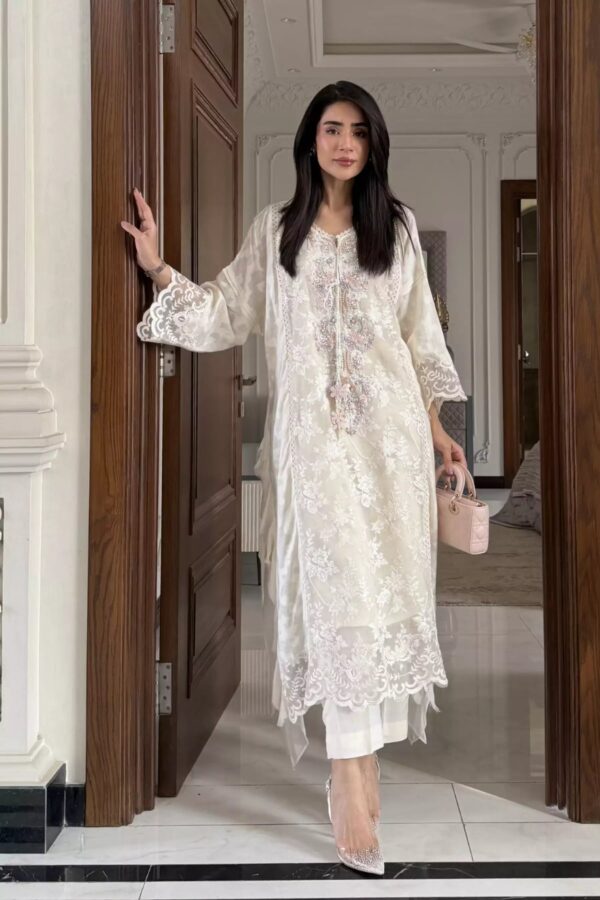
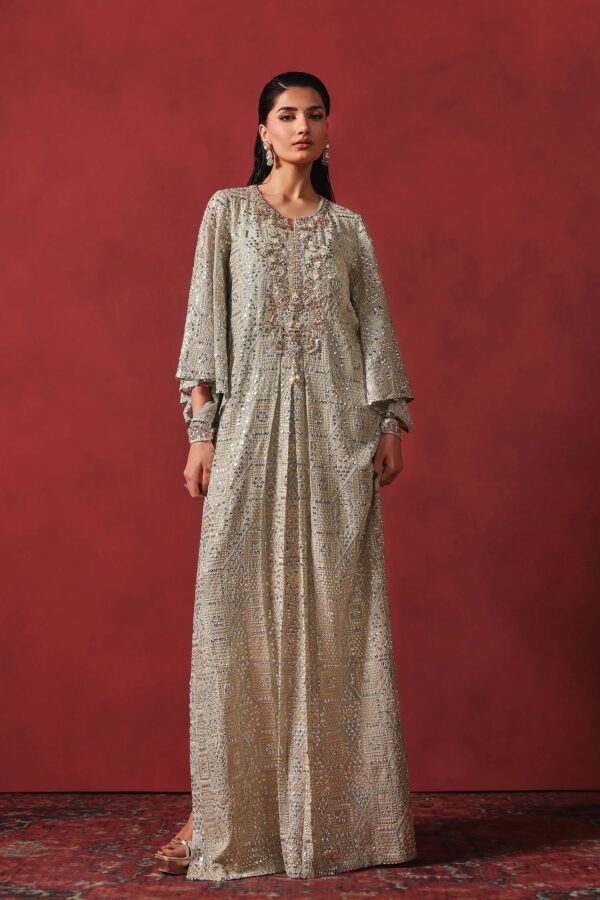
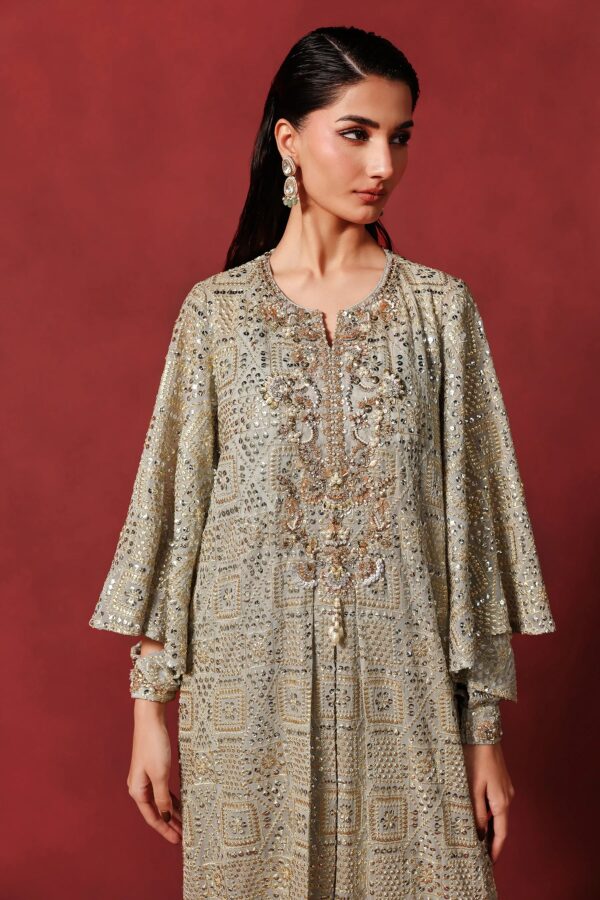
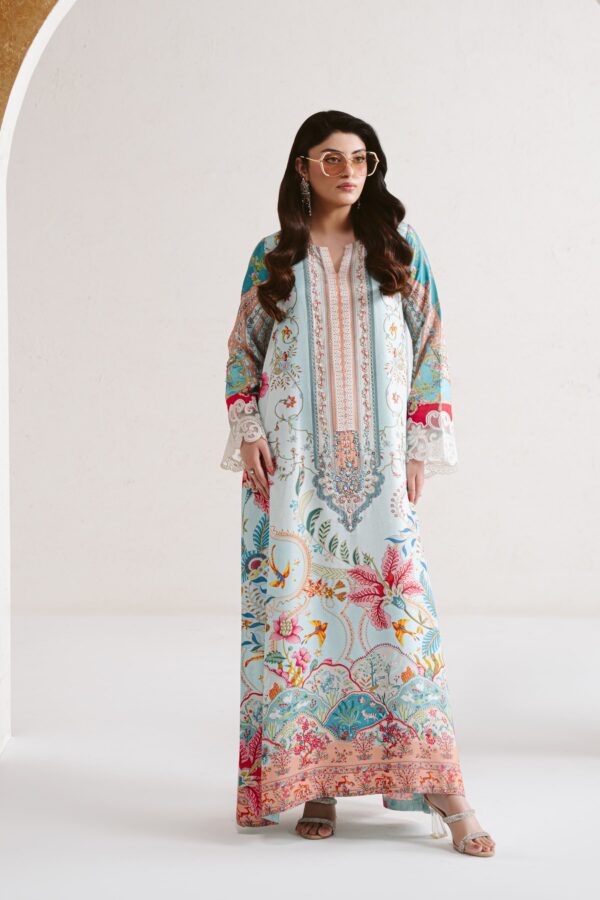
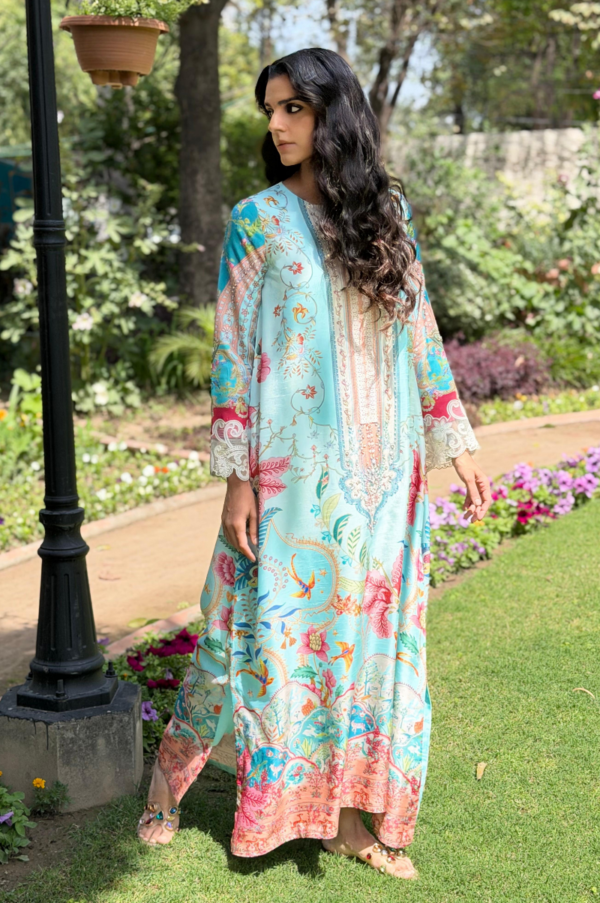
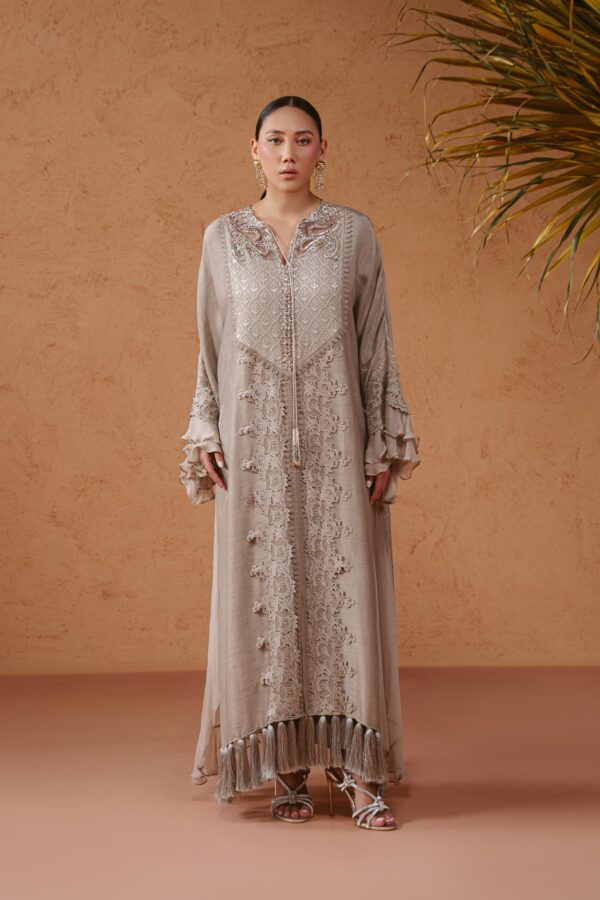
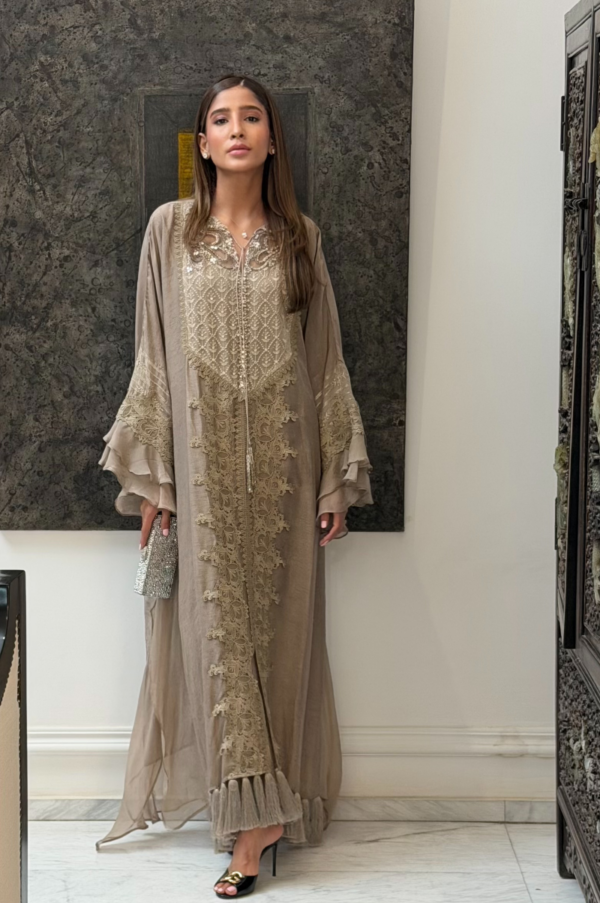
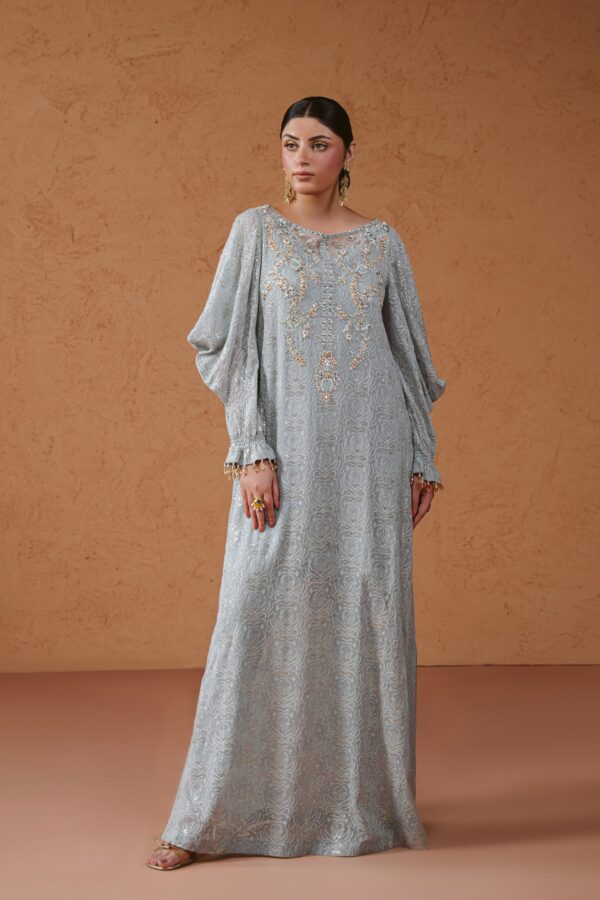
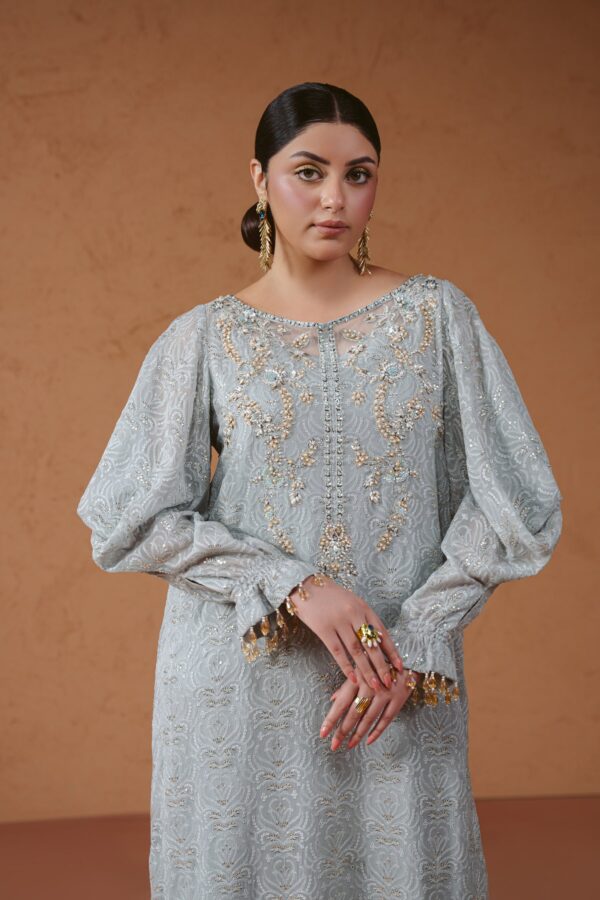
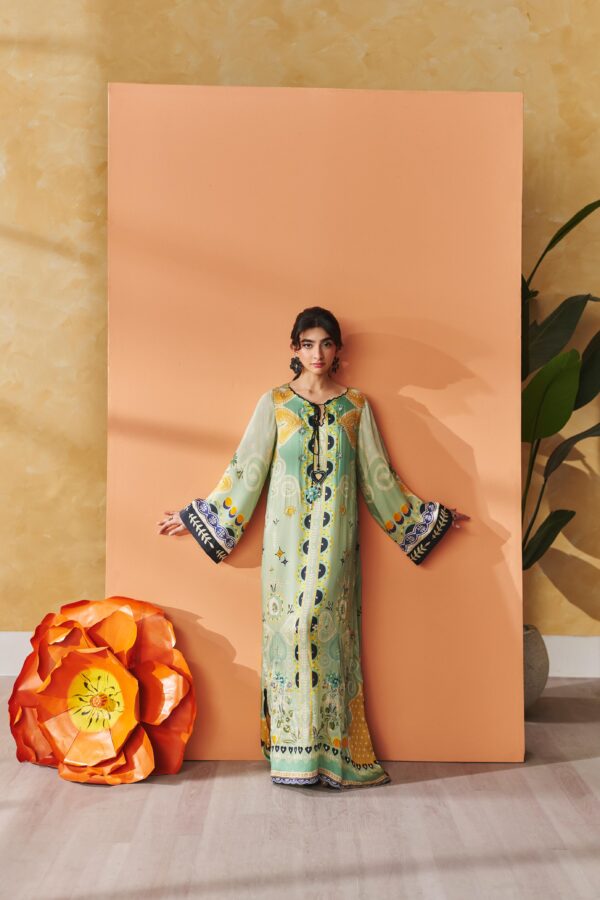
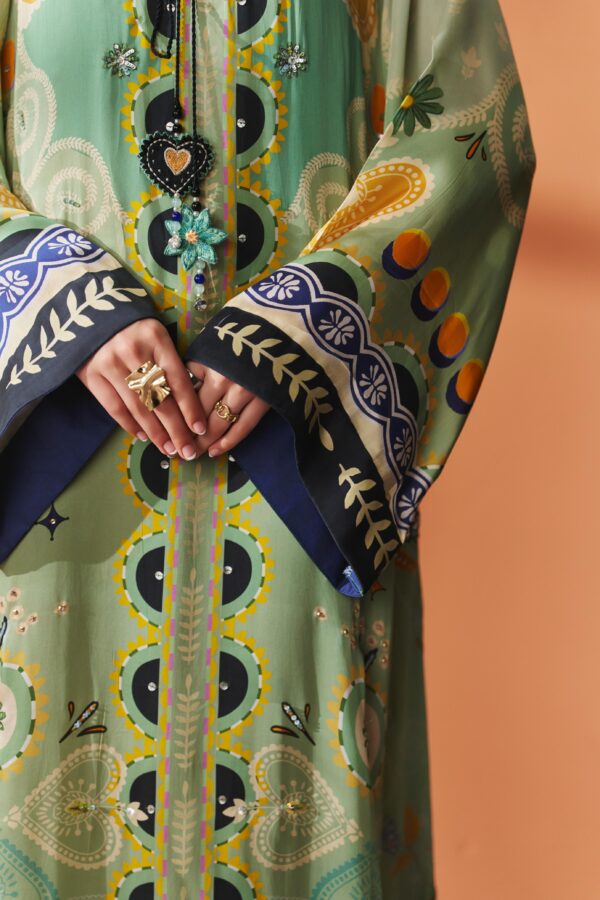
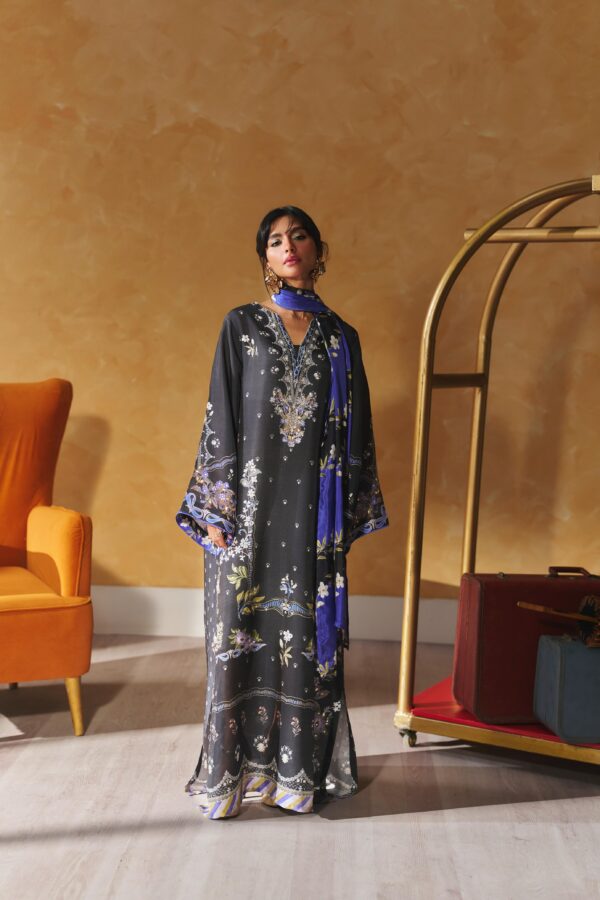
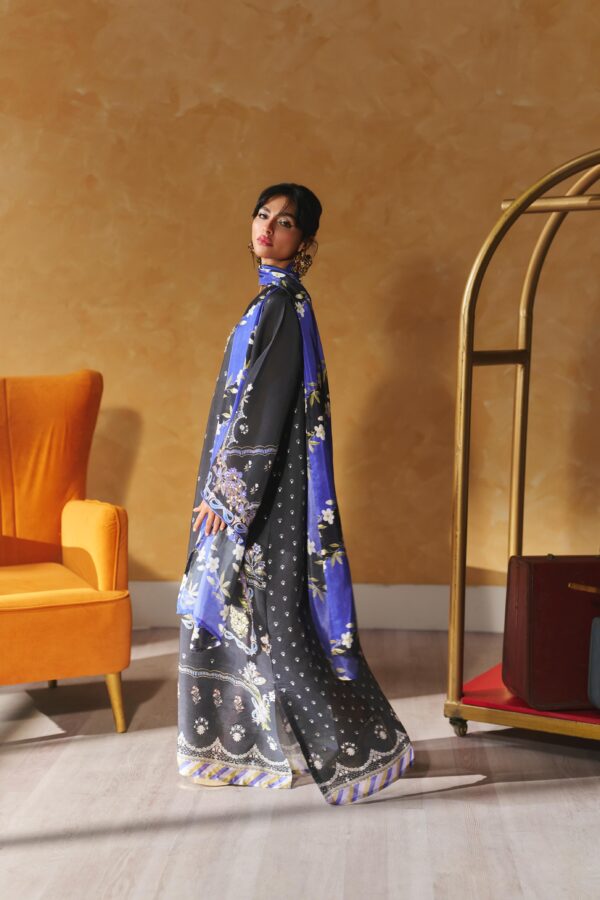
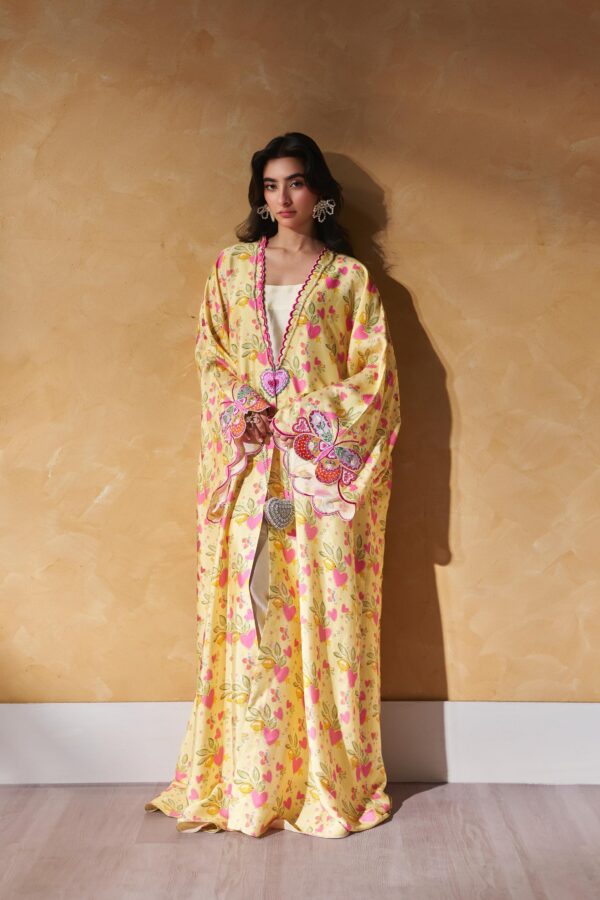
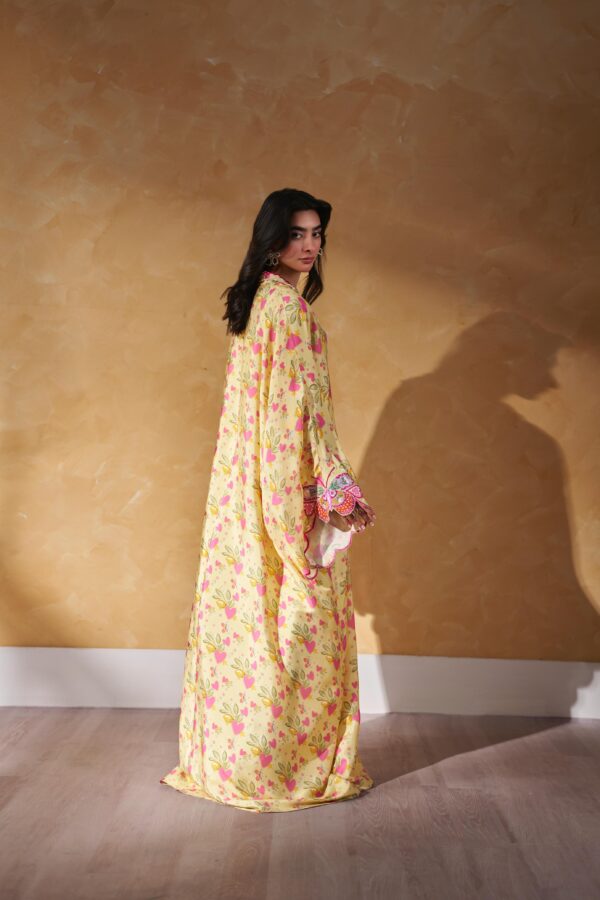
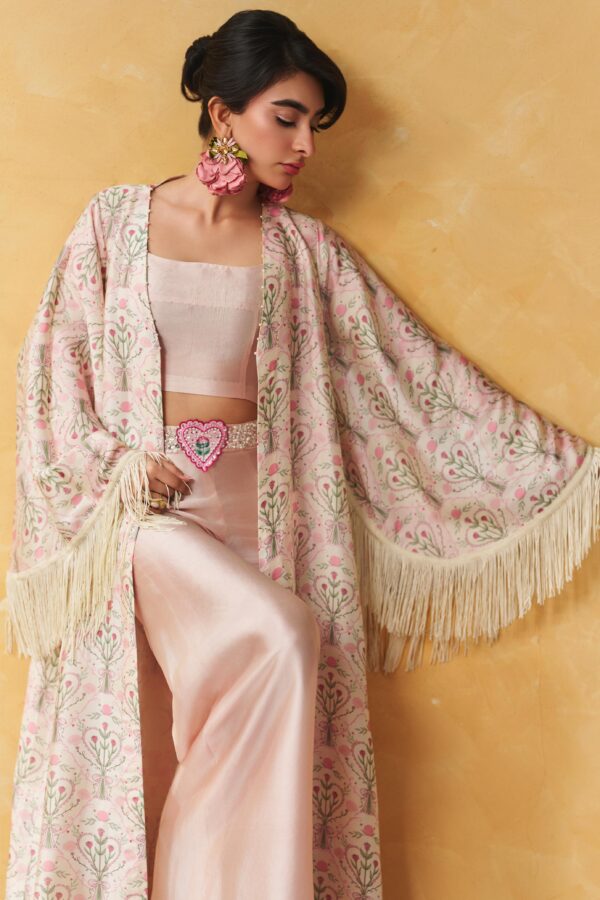
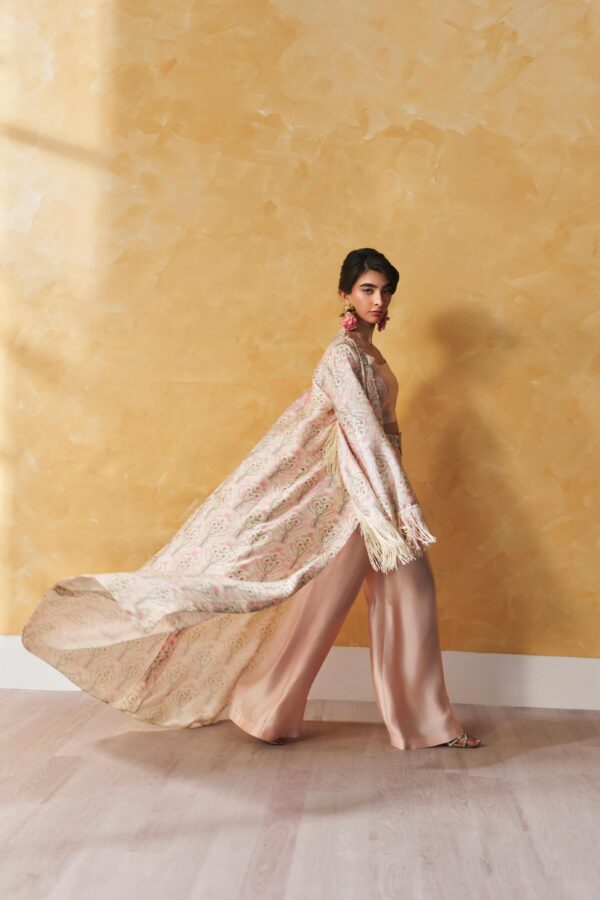
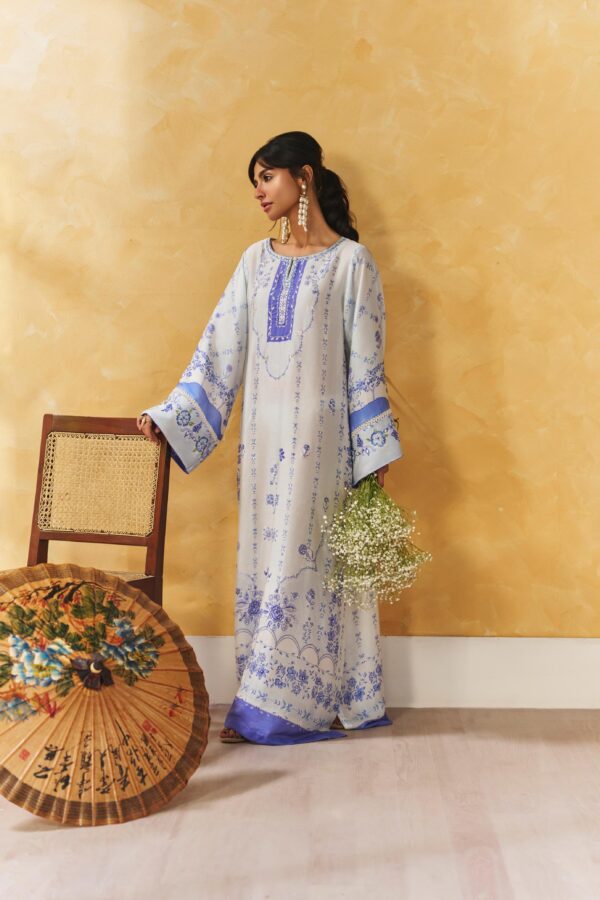
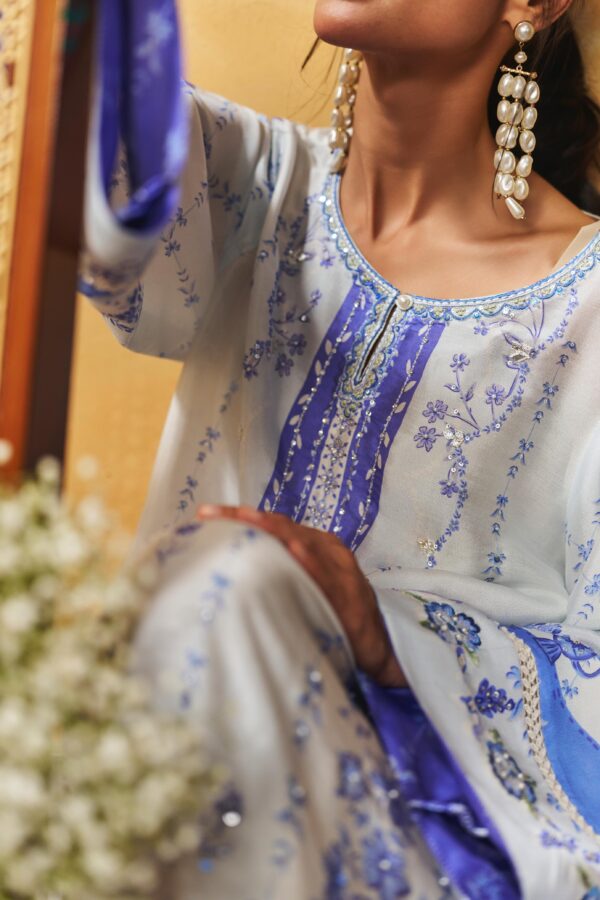
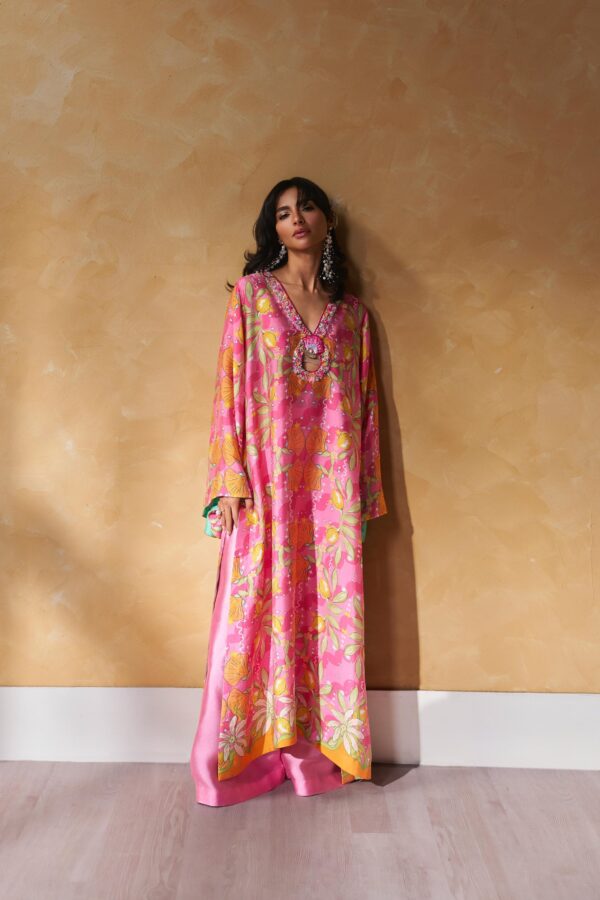
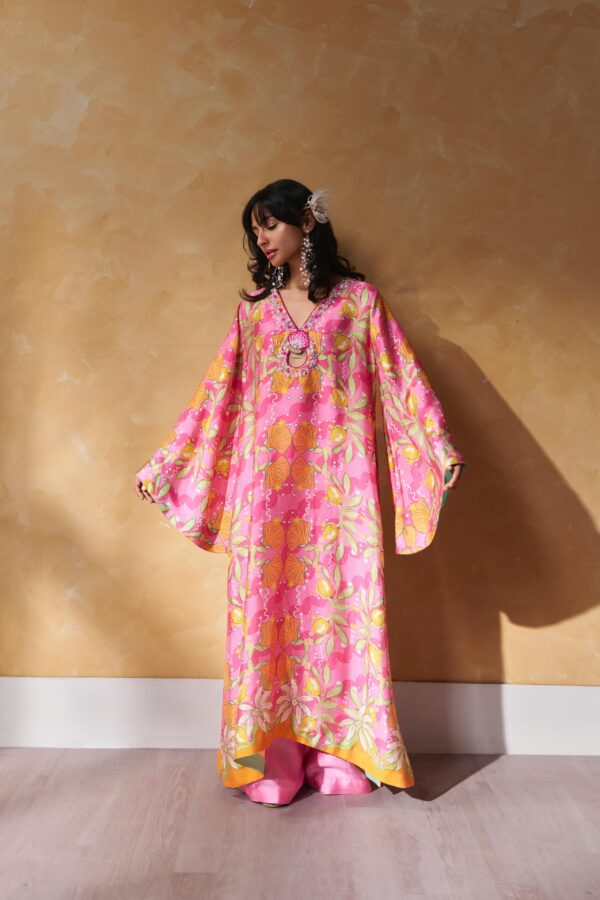
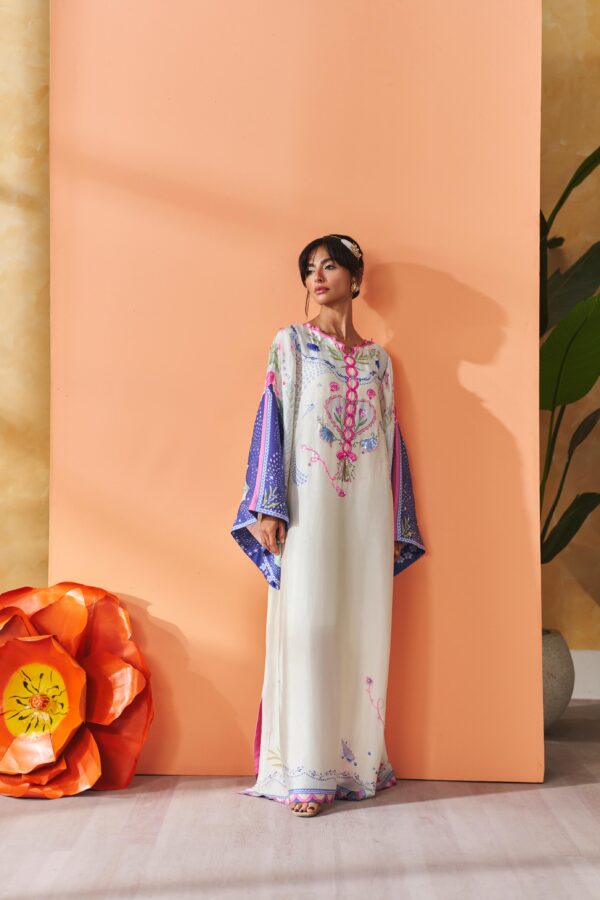
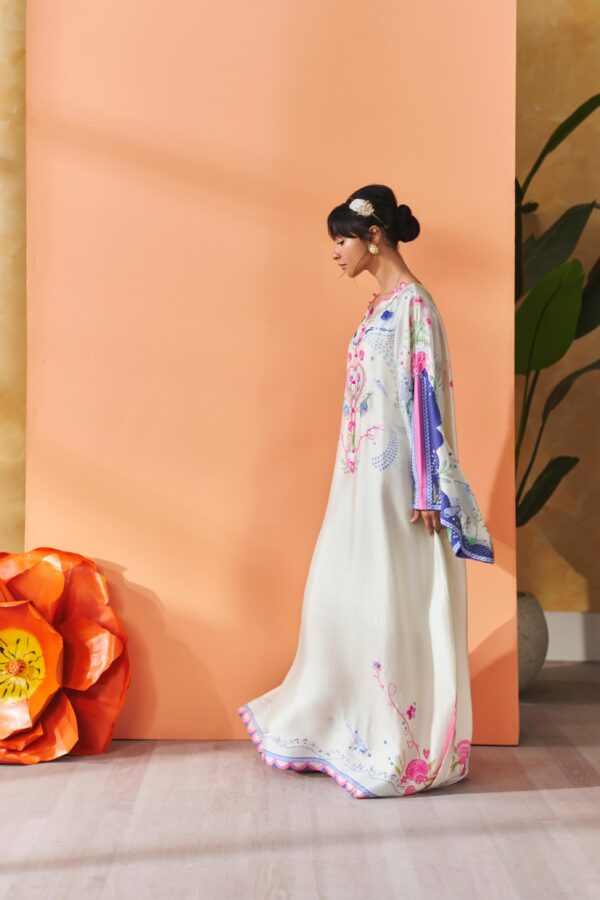
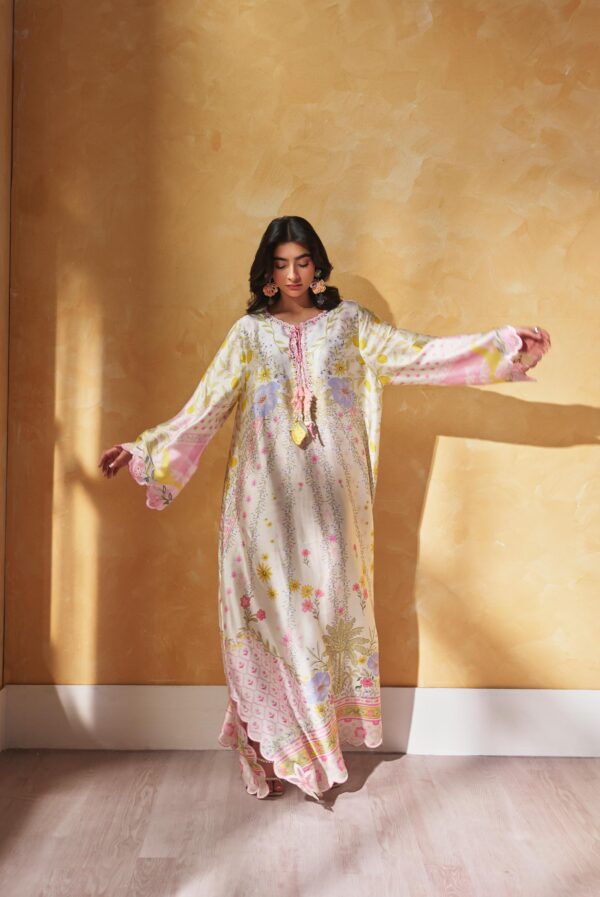
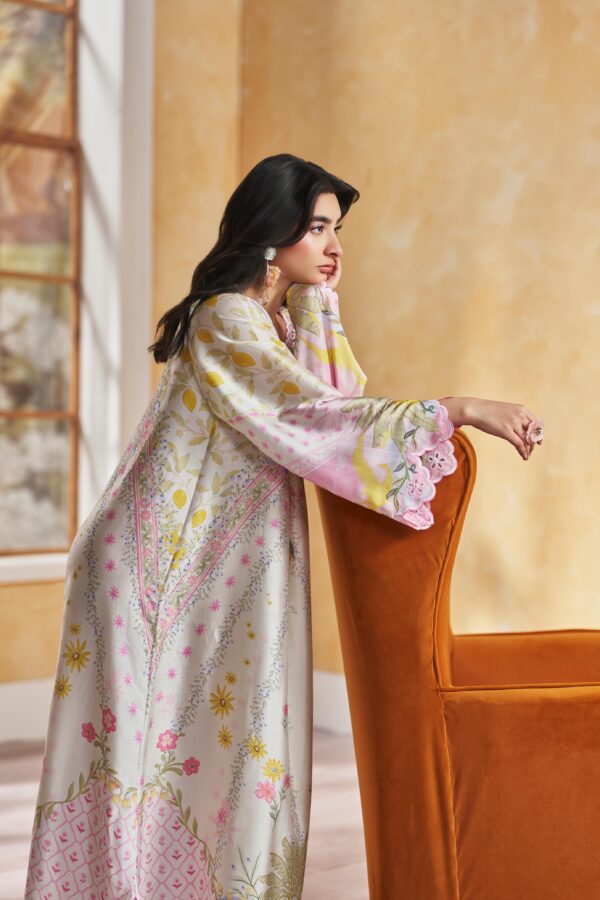
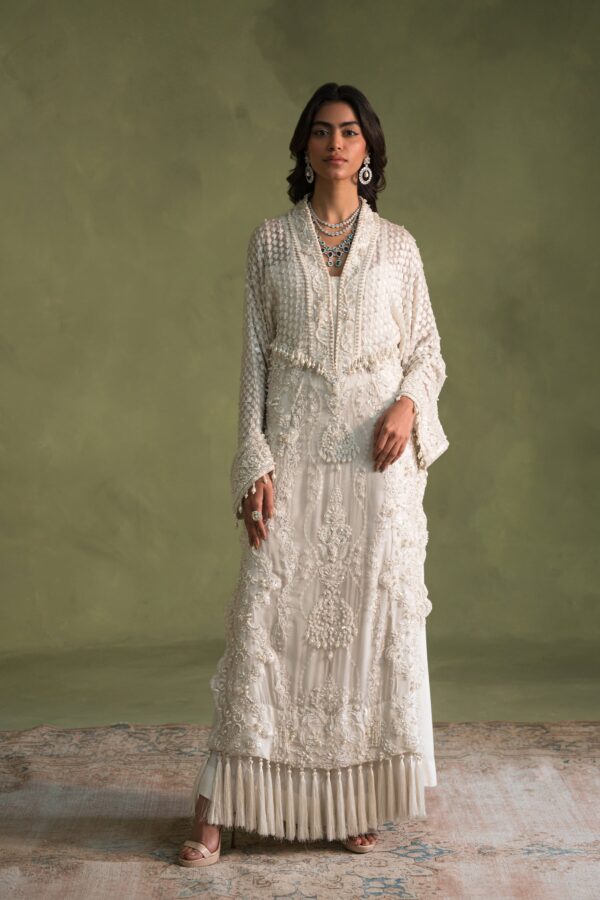
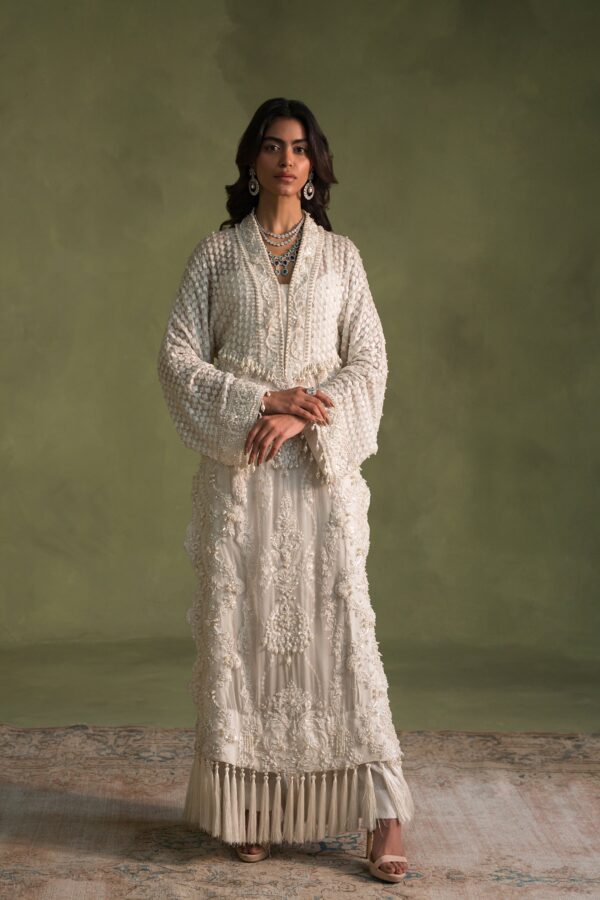
Discover elegant kaftans designed for effortless movement and memorable occasions. Explore refined colours, expressive sleeves, graceful drapes and beautifully finished details for celebrations, dinners, holidays and relaxed festive dressing.
Discover Designer Kaftans That Make Dressing Feel Effortless
A beautiful kaftan has a rare kind of presence. It can appear relaxed and dramatic at the same time, creating an elegant outline without relying on a closely fitted shape. The fabric is given room to move, the sleeves become part of the silhouette, and carefully positioned embroidery, print or embellishment guides the eye. The result is an outfit that feels expressive without becoming complicated.
At The Fashion Station, our kaftans for women bring together fluid shapes and occasion-ready details for wardrobes that value both comfort and character. Some designs are quietly refined, with clean lines and understated colour. Others make a stronger entrance through jewel tones, ornate necklines, statement sleeves, decorative borders or light-catching surfaces. This variety allows you to choose a kaftan according to the event, the season and—most importantly—the way you want to feel while wearing it.
A kaftan can be an inspired choice when you want a complete look without coordinating several separate pieces. It can move easily from an intimate family gathering to a festive dinner, a destination celebration or an elegant holiday evening. A change of footwear, jewellery and bag can shift its mood, giving one thoughtfully chosen piece more than one place in your wardrobe.
Browse the live collection above to see currently available styles, sizes, colours and prices. Because every design may differ in construction, lining, length and included components, the individual product page should always guide your final decision. This editorial guide will help you understand silhouette, fabric, fit and styling so that you can compare the options with greater confidence.
One silhouette, many expressions
Why Kaftan Dresses Have Such Enduring Appeal
The attraction of a kaftan begins with its sense of freedom. Instead of shaping every part of the body through closely placed seams, many kaftan silhouettes create beauty through drape, proportion and movement. The garment may fall in a straight line, open into a wider form through the body, or gain definition through a tie, panel or internal construction. Even when the outer shape appears generous, thoughtful design keeps the look intentional.
This balance makes the kaftan remarkably adaptable. A lightly detailed design can feel polished for lunch or a small gathering, while richer embroidery and a more lustrous fabric can create the ceremony expected at a festive event. The same essential silhouette can look modern, bohemian, regal or minimal depending on its material, colour and finishing.
01
Graceful movement
A flowing outline allows fabric, borders and sleeves to move naturally. This gives a kaftan visual drama without requiring a heavily structured fit.
02
Comfort with polish
The right construction can feel easy through long dinners and celebrations while still presenting a composed, occasion-ready appearance.
03
Flexible styling
Jewellery, footwear, hairstyle and a bag can take the same piece from understated elegance to a more festive and expressive look.
04
A complete outfit
A kaftan often creates a finished visual statement on its own, making it easier to dress beautifully without coordinating numerous layers.
The best kaftan is not simply the loosest or most decorated option. It is the one whose line, length and finish work together for your proportions and the occasion you have in mind.
Understand the shape
How to Recognise Different Kaftan Silhouettes
Although kaftans share an association with ease, they do not all fit or fall in the same way. Looking beyond the word “kaftan” to the actual construction will help you choose more accurately. Begin at the shoulder. A defined shoulder seam may create a cleaner, more tailored upper line, while a dropped or extended sleeve can produce a softer, more continuous drape.
Next, follow the shape through the body. A straight-cut kaftan tends to create a long vertical impression. A wider cut introduces more volume and movement, especially when the fabric is light. Some styles have a concealed inner shape beneath an expressive outer layer. Others use a drawstring, belt or side fastening to introduce definition. Never assume a belt is included simply because one appears in a styled photograph; check the listed components.
Sleeves are central to the personality of the garment. Narrower sleeves can feel sleek and practical, while wide, cape-like or split sleeves create drama. If a sleeve carries embroidery or a border, consider how it will look when your arms are relaxed as well as when you move. Arm opening measurements also matter for comfort.
Finally, consider the hem. Floor-skimming lengths can create a formal, elongated line but require careful coordination with footwear. An ankle-length or slightly shorter style may be easier for walking and travel. Side slits, stepped hems and bordered edges can all change how the garment moves. Compare the stated length with a piece you already own rather than judging only from the model’s height.
Dress for the moment
Choosing a Kaftan for Every Occasion
Occasion is one of the most useful filters when shopping for a kaftan online. Think first about the atmosphere rather than the dress code alone. A daytime celebration may call for softness, freshness and easy movement. An evening event can carry deeper colours, richer surfaces and more directional accessories. For a holiday, packability and repeat styling may matter as much as embellishment.
Festive celebrationsLook for refined embroidery, decorative borders or luminous details that feel joyful without overwhelming the silhouette.
Wedding occasionsChoose depth of colour, considered finishing and an elevated fabric that suits the ceremony and your role at the event.
Dinners & partiesA defined neckline, statement sleeve or rich solid shade can create evening impact with minimal additional styling.
Holiday eveningsPrioritise comfortable movement, versatile accessories and a fabric that suits the destination and expected weather.
For a family celebration, you may want an outfit that photographs beautifully but still allows you to sit, greet guests and move comfortably. For a formal dinner, a darker palette, elegant earrings and a clean clutch can make a fluid kaftan feel especially sophisticated. At a destination event, check the fabric composition and care requirements before packing. Highly embellished pieces may need more careful handling than printed or lightly detailed styles.
There is no rule that reserves kaftans only for grand occasions. A simpler design can become part of a refined at-home wardrobe or a relaxed social look. The distinction comes from the fabric, finish and styling. Let the setting help you decide how much detail you need, then choose a piece you can imagine wearing beyond a single photograph.
Fabric shapes the experience
Understanding Drape, Texture and Finish
A kaftan’s fabric influences almost everything: how it falls, how much volume it creates, how it responds to light and how comfortable it feels across several hours. Two garments with similar measurements can look entirely different if one has a crisp body and the other has a soft, fluid drape. Read the stated composition and construction on the product page, and use close-up photographs to study the surface.
Fluid finishes
Softly falling materials encourage movement and can create an elegant line through wider sleeves and generous panels.
Structured textures
A fabric with more body can hold the outline clearly and give embroidery or architectural details greater definition.
Lustrous surfaces
A gentle sheen catches evening light and can make even a restrained colour feel more dressed and celebratory.
Decorated fabrics
Embroidery, beads, sequins and borders add dimension but may require thoughtful care, storage and accessory choices.
Opacity is another practical consideration. Check whether the kaftan is lined, whether a separate slip is supplied and whether the sleeves use a sheer fabric. A photograph can show the styled result without making every internal layer obvious. The “included pieces” or product-detail section should confirm what arrives with your order.
Colour can also appear different under studio lighting, daylight and individual screen settings. Use the full set of product photographs rather than relying on a single image. If you are trying to coordinate precisely with an existing accessory or another person’s outfit, allow for small variations. A complementary palette is generally more forgiving than attempting an exact screen-based colour match.
Measure before you choose
How to Select the Right Kaftan Size, Fit and Length
A flowing silhouette still needs the right fit. The outer shape may look generous, but the bust, hip, lining, arm opening or inner seams can be more defined than the photographs suggest. “Loose fit” and “free size” should never replace checking the actual measurements available for the specific product.
First determine whether the size chart gives body measurements or finished garment measurements. They are not interchangeable. A garment measurement includes the ease designed into the piece, while a body measurement describes the person the size is intended to fit. When the listing provides both, use them together to understand the intended drape.
Your fit checklist
Five details to compare
Use a kaftan or dress you already enjoy wearing as your practical reference.
Bust and hip: check the narrowest internal measurement, especially where a lining or shaped panel is present.
Shoulder and sleeve: confirm the construction and arm opening allow comfortable movement.
Garment length: compare shoulder-to-hem measurements while wearing the footwear planned for the occasion.
Neckline: consider depth, coverage and whether you prefer or require an additional inner layer.
Adjustable features: identify whether ties, drawstrings or belts are functional, decorative and included.
Your preferred visual effect matters too. One wearer may love an expansive drape, while another may prefer the same kaftan to sit closer through the body. If you are between sizes, do not make a decision from the category photograph alone. Review the product-specific chart and available construction notes, and seek clarification before ordering if a critical measurement is missing.
Length deserves particular care. Model height, heel height and camera angle all influence how long a garment appears online. Measure from the same point indicated in the product chart. If the design has a shaped or uneven hem, identify whether the listed length refers to the shortest point, longest point or centre.
Let the silhouette lead
How to Style a Kaftan Without Losing Its Character
The most successful kaftan styling usually begins with restraint. The garment already has movement and scale, so every accessory does not need to make an equal statement. Choose one focal area—the neckline, earrings, cuffs, bag or footwear—and allow the remaining pieces to support it.
If the neckline is richly embroidered or embellished, consider earrings instead of a necklace. This keeps the decorative work visible and prevents the upper half from feeling crowded. With a cleaner neckline, a pendant or sculptural necklace can introduce focus. Wide sleeves often pair beautifully with earrings because bracelets may catch against the fabric or disappear beneath the cuff.
Footwear should respond to both formality and length. A slim heel can strengthen the long vertical line of an evening kaftan, while a polished flat or sandal may be more comfortable for a gathering that involves standing and walking. Try the complete outfit before the event. The correct shoe is not only the one that looks attractive; it is the one that keeps the hem at a safe, graceful length.
A bag can either echo the garment’s mood or offer a controlled contrast. Metallics and neutral tones are versatile, but colour can also work when it relates to a smaller detail in the fabric. Avoid hardware that could catch on embroidery, sequins or delicate surfaces. A compact clutch or small structured bag often complements the scale of a fluid kaftan more effectively than a very large everyday tote.
Hairstyle changes how the upper silhouette reads. Hair worn up or pulled back reveals an ornate neckline and statement earrings. Soft waves can suit a more relaxed design, while a sleek style creates a modern contrast with generous sleeves. Makeup can follow the same principle: choose either a defined eye, a distinctive lip or luminous skin as the main emphasis rather than asking every element to compete.
Create a memorable mood
Choosing Colours and Details That Feel Like You
Colour is often the first reason a kaftan catches your attention. Deep jewel tones can feel rich and evening-ready, while ivory, blush, powder blue and other light shades can create a softer impression. Earthy neutrals bring calm sophistication, and saturated brights communicate confidence and celebration. None of these families belongs exclusively to one time of day; fabric and styling can transform their effect.
Consider the lighting at your event. Fine embroidery and tonal work may reveal themselves gradually in daylight, while sequins, metallic threads and crystals respond strongly to evening light. A highly decorated surface may need only simple accessories. A solid kaftan can become a striking canvas for jewellery, a distinctive clutch or a beautifully finished shoe.
Print introduces another form of personality. Larger motifs can create a bold visual rhythm across a wide silhouette; smaller, repeated patterns may feel softer from a distance. Notice where the motif sits at the neckline, centre and hem, particularly if the pattern placement differs from one piece to another. Borders can frame the garment and emphasise its length, while vertical details often support an elongated impression.
Most importantly, choose a colour and level of decoration that you recognise as your own. A garment earns its place in the wardrobe when you are excited to wear it again. Trends can offer inspiration, but personal ease and confidence are what make the final outfit memorable.
Read beyond the photograph
What to Check When Buying Kaftans Online in India
Online shopping gives you the advantage of comparing silhouettes, colours and price points at your own pace, but photographs should be used together with the written specifications. Before adding a kaftan to your bag, review the fabric, size chart, garment length, lining, included pieces, care information and the delivery estimate shown for that exact design.
Check whether the product is ready to wear, unstitched, semi-stitched or offered with any form of customisation. These formats are fundamentally different and should not be inferred from the category name. A ready-to-wear description confirms that the garment is finished; it does not automatically mean that it will dispatch immediately. Always use the delivery information displayed for the selected article and size.
Study all available images. Look at the front, back, sleeve, neckline and border. Zoom into embellishment and fabric surfaces where possible. Identify which elements are part of the garment and which have been introduced only for styling. Shoes, jewellery, handbags and other props are normally not included unless the product description explicitly says otherwise.
Review the applicable shipping, exchange and return terms before placing the order, particularly when buying for a fixed event date. Product format, customisation and sale status can affect the conditions that apply. Keep enough time for delivery, a calm try-on and final accessory decisions instead of scheduling the outfit to arrive immediately before the occasion.
Care should always follow the instructions supplied for the individual garment. A kaftan may combine an outer fabric, lining, embroidery, beads, sequins or metallic elements, and each component can affect the suitable cleaning method. Do not apply one universal washing or ironing rule to every piece.
Before wearing, inspect jewellery, rings and bag hardware for edges that may catch on the fabric. When dressing, avoid pulling narrow openings across elaborate hairstyles or accessories. If the garment has a zip, fastening or internal tie, open it fully instead of forcing the piece into place.
After the event, allow the garment to air in a clean, shaded area before storage, provided its care instructions allow it. Make sure it is completely dry. Heavy embellishment can place stress on shoulders when hung for long periods, while some fabrics crease if folded without support. Use the storage method recommended for the construction and place clean, soft material between heavily decorated surfaces when necessary.
Keep perfume, makeup and hair products away from delicate finishes. If a spill occurs, avoid aggressive rubbing, which can spread the mark or disturb embroidery. Seek appropriate professional cleaning for garments whose labels require it. Thoughtful handling protects not only the appearance of a kaftan but also the drape that made you choose it.
One piece, new possibilities
Rewearing a Kaftan Across Different Occasions
A well-chosen kaftan does not need to belong to a single event. The silhouette provides the foundation, while accessories allow you to adjust its energy. For the first celebration, you might wear statement earrings, a metallic clutch and heels. Later, choose refined flats, smaller jewellery and a softer hairstyle for a dinner at home. The garment remains recognisable, but the overall impression changes.
Colour pairing can also create variety. Neutral accessories keep the focus on the fabric, while a contrasting bag or shoe can give a solid kaftan a fresher direction. If the design contains several colours, choose a quieter shade from the print for one appearance and a brighter accent for another. You do not need to match every element precisely.
Seasonal adjustments should remain practical. A compatible inner layer may provide additional coverage or warmth, but it should not distort the neckline, sleeve or intended fall. When travelling, plan how the fabric will be packed and restored on arrival. Some pieces respond well to gentle steaming; others require greater caution because of decoration or fibre content. Follow the care guidance for the specific garment.
Rewearing becomes easiest when the original choice reflects your style rather than a very narrow trend. Ask whether you like the colour near your face, whether the length works with more than one pair of shoes and whether the decoration feels natural to you. Those questions often predict long-term wardrobe value better than the excitement of a single occasion.
Useful answers before you order
Frequently Asked Questions About Kaftans
What is a kaftan dress?
A kaftan dress is generally recognised by its flowing silhouette and emphasis on drape and ease. Exact construction varies: some designs are straight, some are very wide, and others include internal shaping, ties, belts, defined sleeves or a separate lining. Always review the individual product specifications rather than assuming every kaftan fits alike.
Is “kaftaan” different from “kaftan”?
The two spellings are commonly used to refer to the same style of garment. “Kaftan” is the more widely used English spelling, while shoppers may also search for “kaftaan.” The product’s actual shape, fabric and construction are more important than the spelling used in a title or URL.
Can I wear a kaftan to a wedding or festive function?
Yes. A kaftan can be an elegant choice for wedding-related and festive occasions when its fabric, finish and level of embellishment suit the event. Consider the time, venue, dress code and your role in the celebration, then style the piece with appropriate jewellery, footwear and a bag.
Are all kaftans free size?
No. A flowing appearance does not mean every design is free size. Internal seams, lining, bust, hip and arm openings may have defined measurements. Check the exact chart for the selected product and confirm whether it lists body or finished garment measurements.
How do I choose the correct kaftan length?
Compare the product’s stated length with a garment you already own, measuring from the same starting point. Consider your height and intended footwear. If the hem is shaped or uneven, check which point the listed measurement describes.
Does a kaftan come with a lining, slip or belt?
It depends on the individual design. Read the list of included components on the product page. Do not assume that an inner slip, belt, jewellery or other accessory shown in the photographs is supplied unless it is explicitly listed.
Which footwear looks best with a kaftan?
Heels, polished flats and elegant sandals can all work. Let the occasion and garment length guide your choice. Try the footwear with the kaftan before the event to confirm that the hem falls safely and the complete proportion feels balanced.
How should I accessorise an embellished kaftan?
Begin with one focal point. If the neckline is highly decorated, choose earrings or a simple cuff rather than adding a competing necklace. Select bag hardware and jewellery carefully so that they do not catch on embroidery or delicate surfaces.
Are kaftans suitable for holidays and destination events?
They can be excellent for holiday evenings because the silhouette feels relaxed yet dressed. Check the destination weather, fabric, care requirements and packability. Also ensure the hem and footwear are practical for the venue.
How quickly will my kaftan be delivered?
Delivery timing can vary by product, size and garment format. Use the estimate shown on the selected product page and review the store’s shipping information before ordering. Ready to wear does not necessarily mean immediate dispatch.
Can the colour look different from my screen?
Small differences are possible because studio lighting, natural light and screen settings affect colour display. Review all available photographs and allow for reasonable shade variation, especially when coordinating with existing accessories.
How do I clean an embellished kaftan?
Follow the care label or product-specific instructions. Fabric, lining and embellishment determine the correct method, so avoid assuming that every kaftan can be washed, ironed or steamed in the same way. Seek clarification before cleaning if guidance is missing.