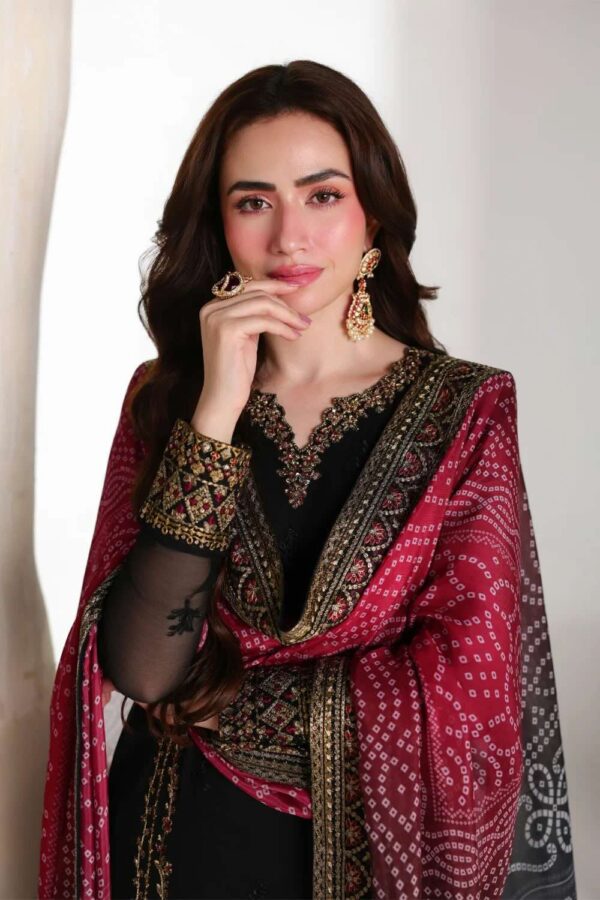
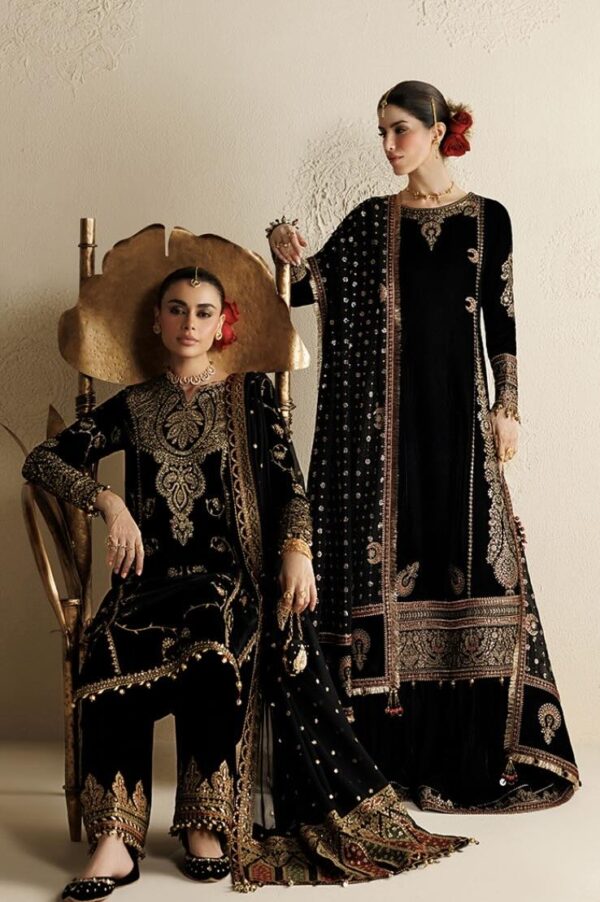
Anarkali Suits: History, Styles & Where to Buy
One of the most iconic silhouettes in ethnic wear — its heritage, the styles to know, and how to wear them.
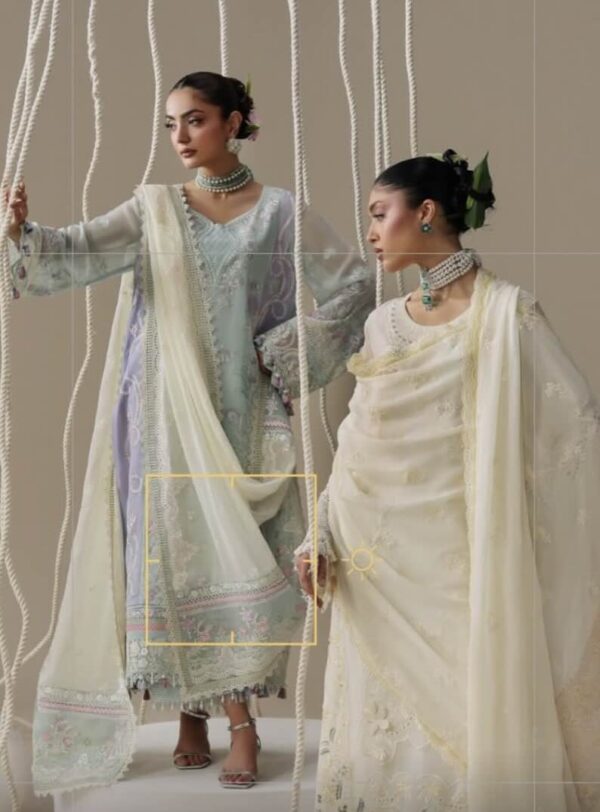
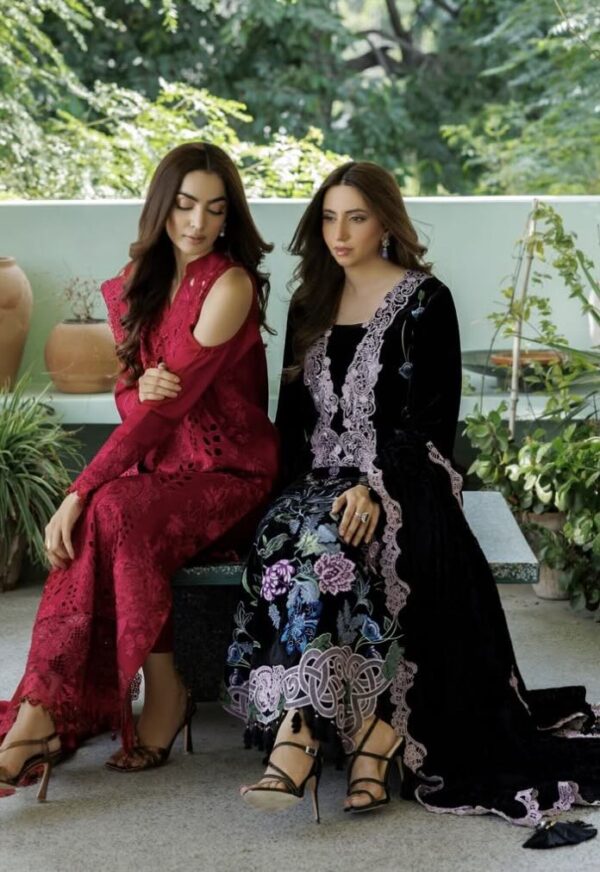
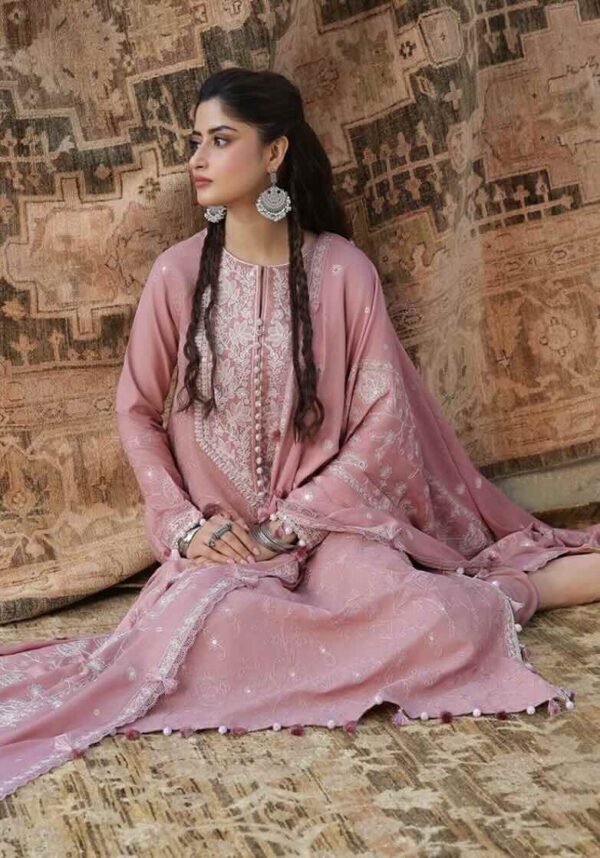
Anarkali suits are among the most elegant and enduring forms of South Asian ethnic wear. With their flowing silhouettes, regal aura and deep historical roots, anarkali suits have carried across centuries of fashion to remain a timeless wardrobe staple for women across India and beyond. Whether you want to understand their cultural significance, explore the different styles, or find the perfect anarkali for a wedding, party or festive occasion, this guide is your complete resource — part of our wider Pakistani suits online collection[cite: 1].
What Is an Anarkali Suit?
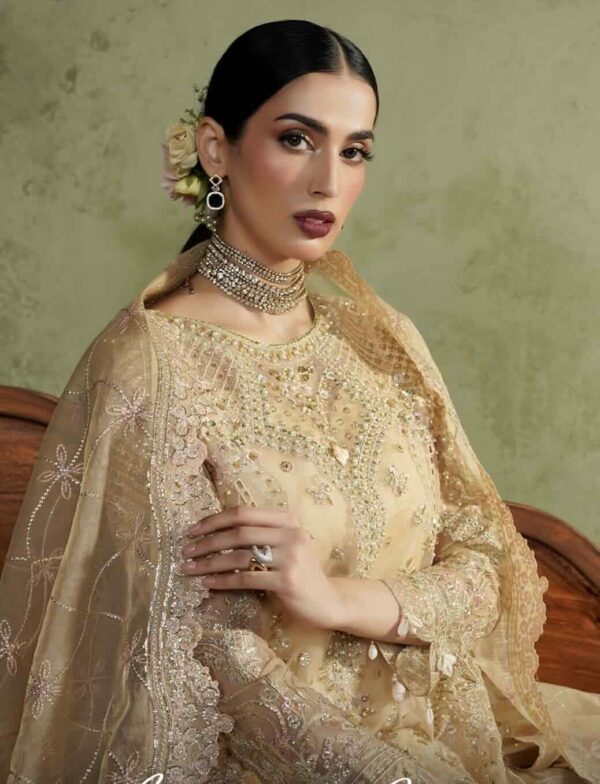
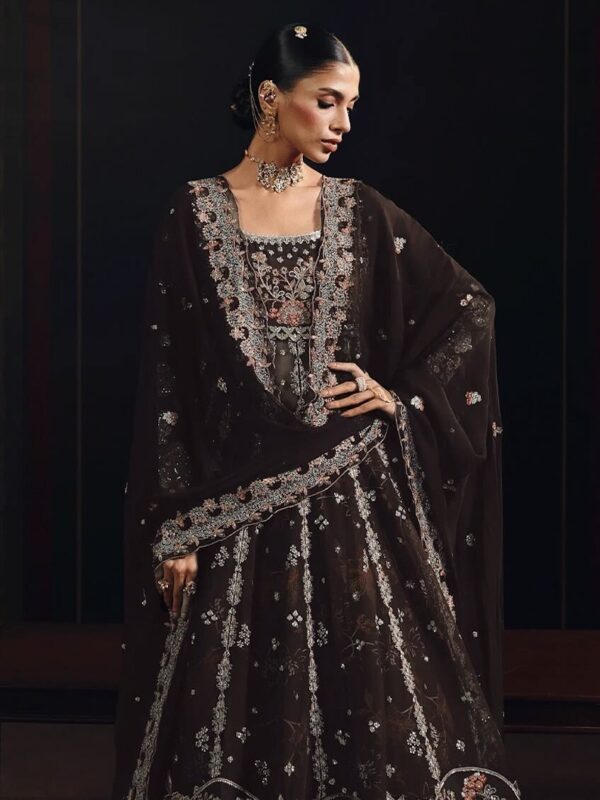
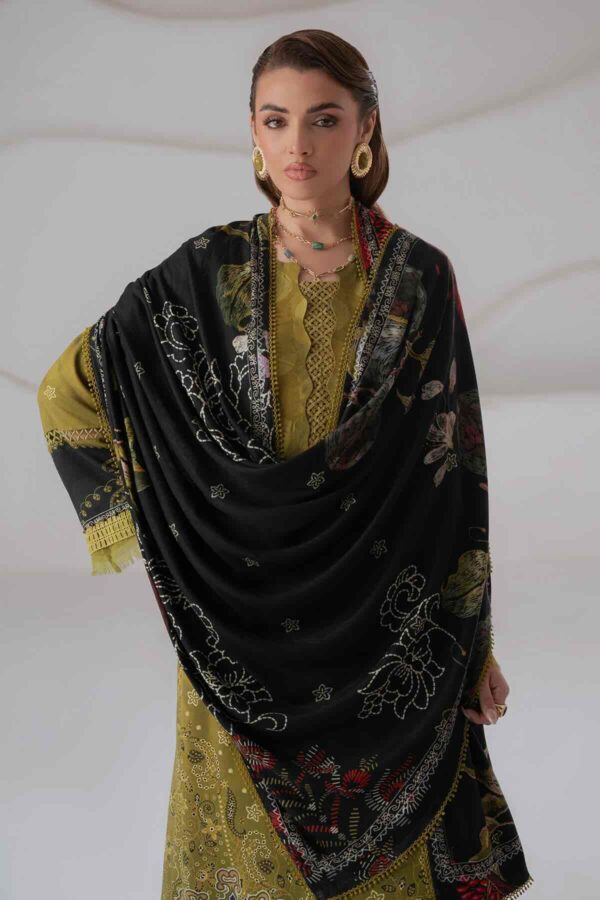
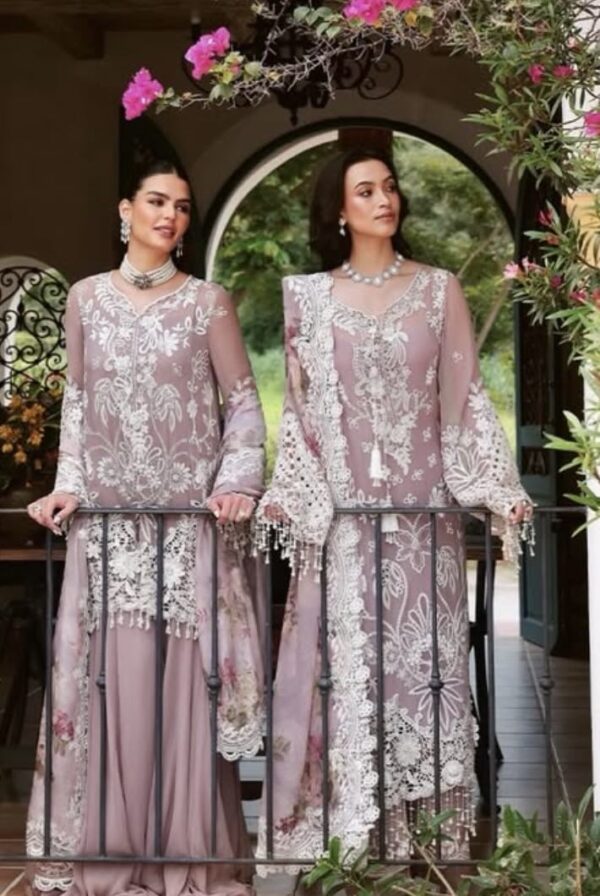
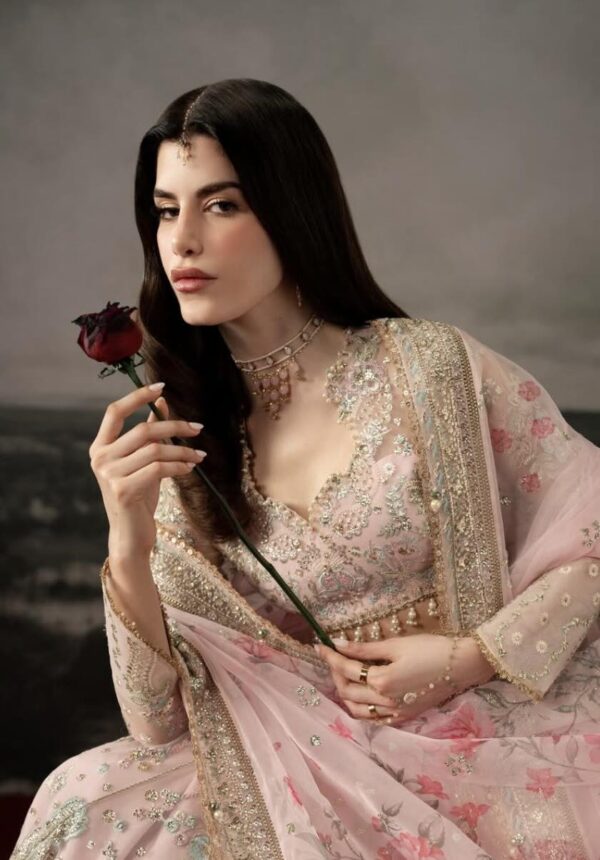
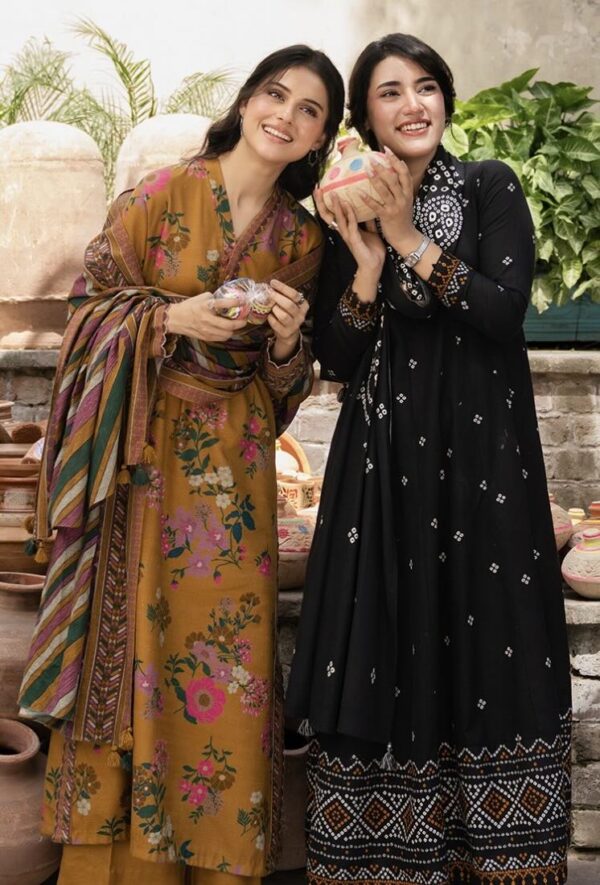
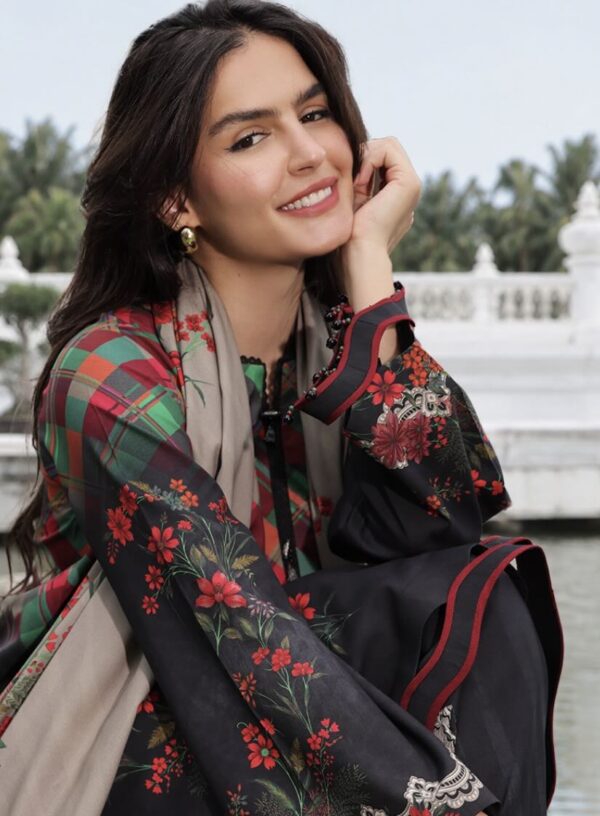
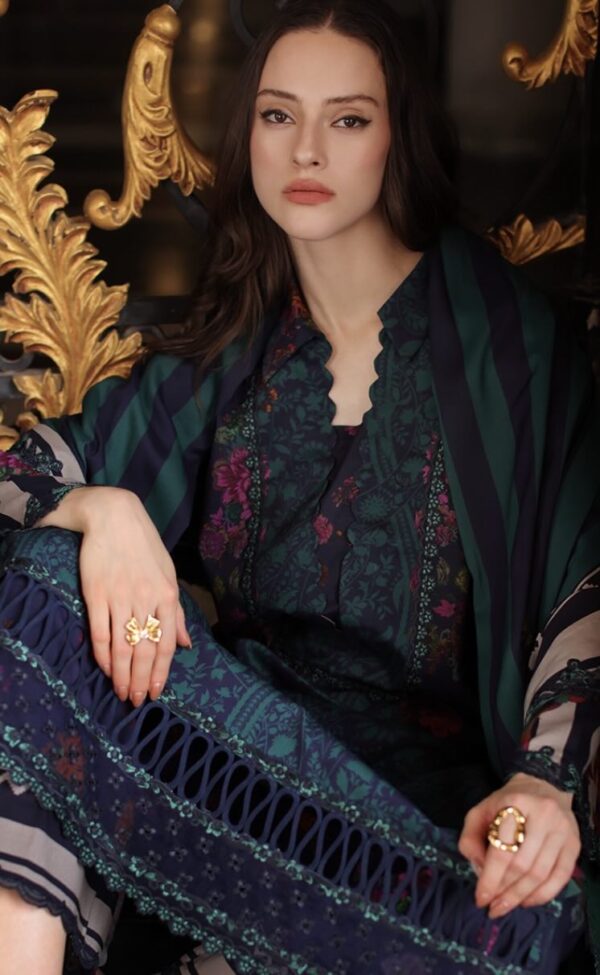
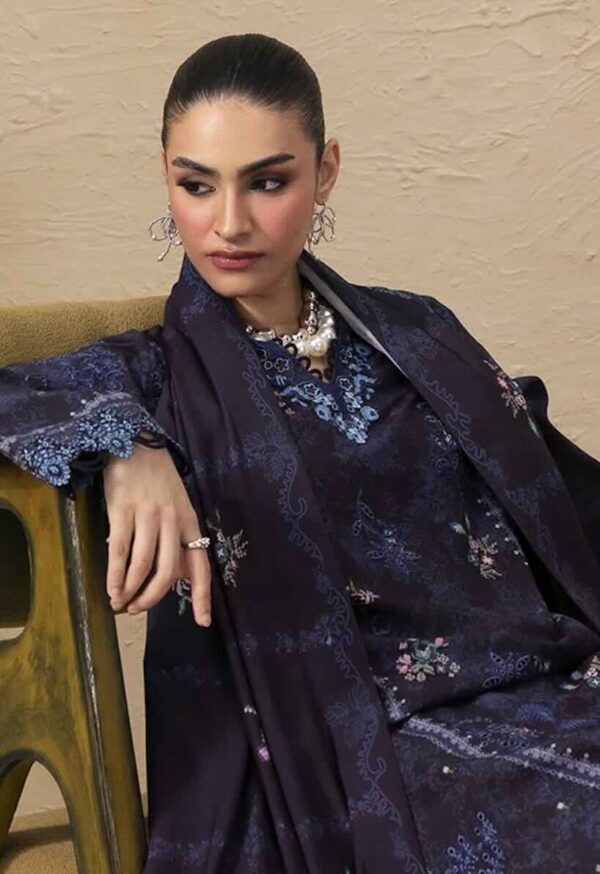
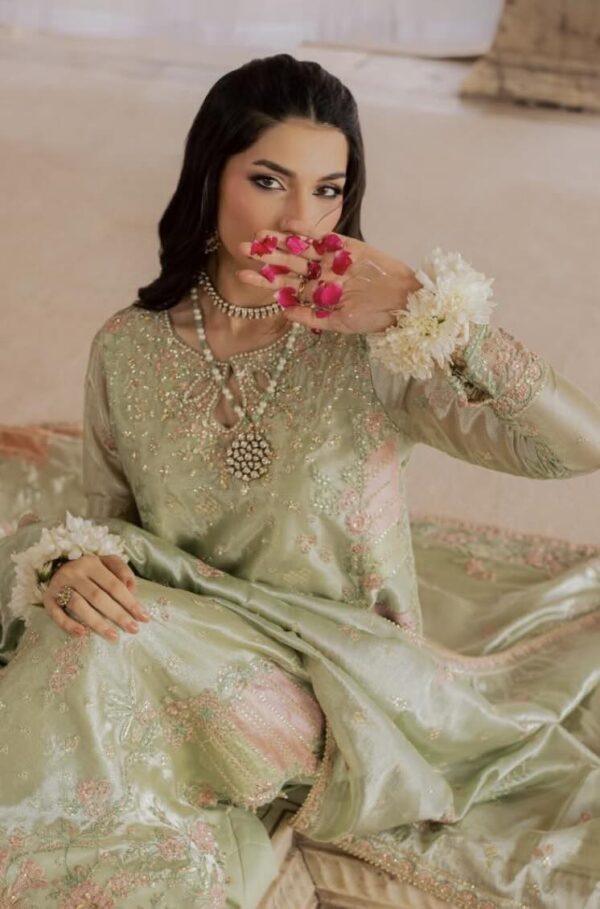
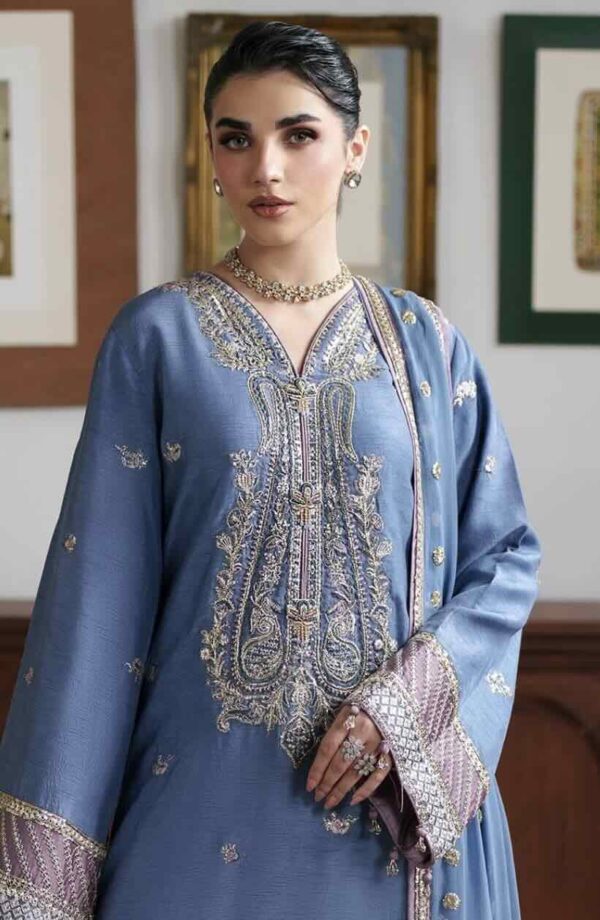
An anarkali suit is a form of women’s traditional attire featuring a long, frock-style kurta that is fitted at the bust and flares toward a knee-length or floor-length hem, paired with a churidar (fitted leggings) and a dupatta. Depending on the occasion, the kurta can be simple and minimal or richly embellished with embroidery. Its graceful vertical line is what makes the anarkali so universally flattering.
A Brief History of the Anarkali
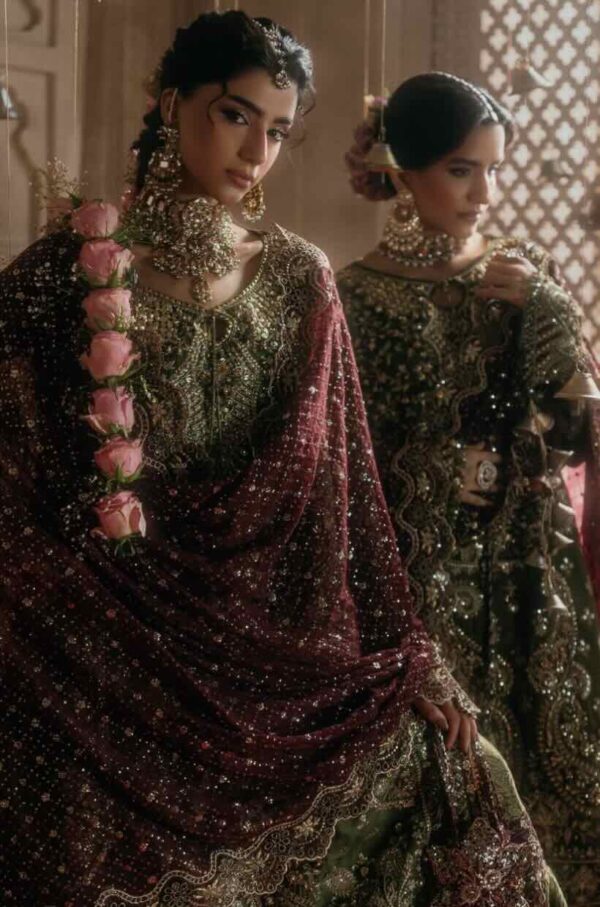
The name Anarkali — meaning “pomegranate blossom” — is believed to derive from a legendary courtesan in the court of Mughal Emperor Akbar, known for her beauty and her tragic love story with Prince Salim, later Emperor Jahangir. That romance lent the attire an enduring air of grandeur and mystique. The style itself flourished in the Mughal era (16th to 18th century), when royal women wore long, heavily embroidered tunics with fitted bodices and flared skirts, crafted in luxurious silk, brocade, velvet and muslin and finished with zari, zardozi and gota patti work. You can read more on Wikipedia.

Why Anarkali Suits Remain Timeless
Flattering for every body type. The flare of the anarkali creates a universally flattering line — whether you are petite or plus-size, the cinched waist and voluminous skirt accentuate the silhouette while staying comfortable and elegant.
Endlessly versatile. From casual cotton anarkalis for everyday wear to lavish silk and georgette designs for weddings, there is an anarkali for every occasion. Designers continually update the classic with new sleeves, necklines and embellishments. Explore the full range in our designer salwar kameez edit[cite: 1].
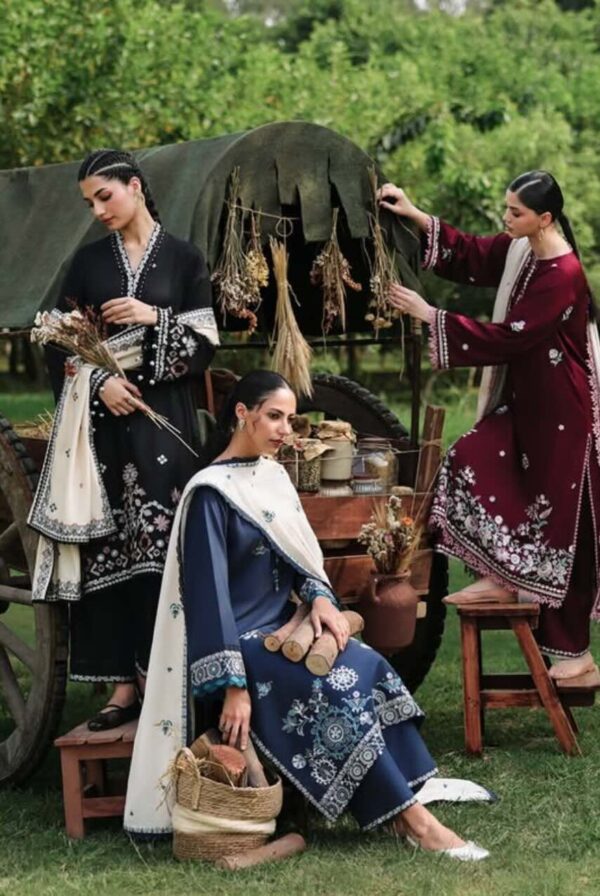
Culturally significant. Anarkalis are deeply woven into South Asian celebration — a favourite for weddings, religious ceremonies, cultural performances and festivals like Diwali, Eid and Navratri.
Modern Anarkali: Tradition Meets Contemporary
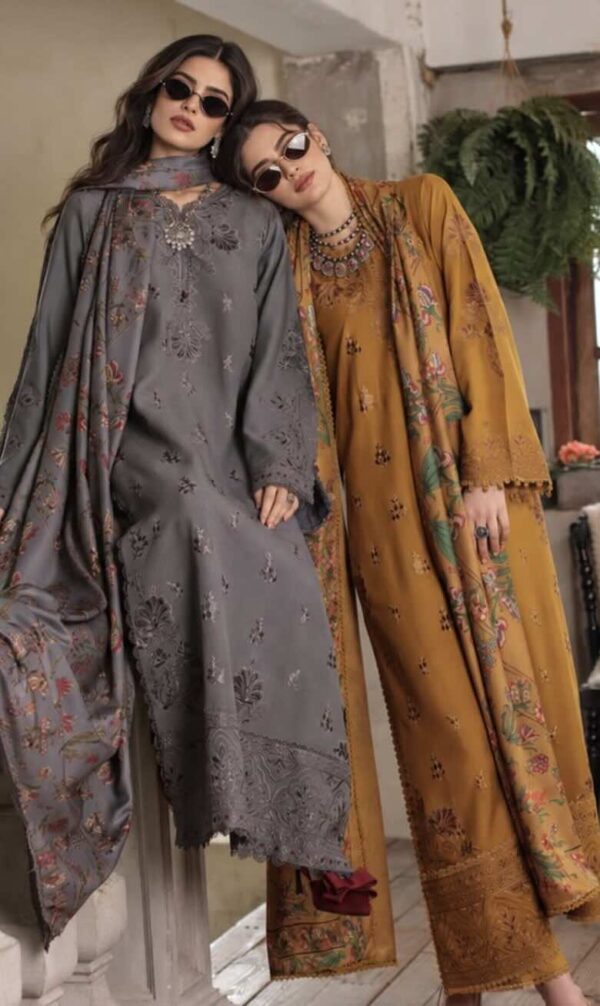
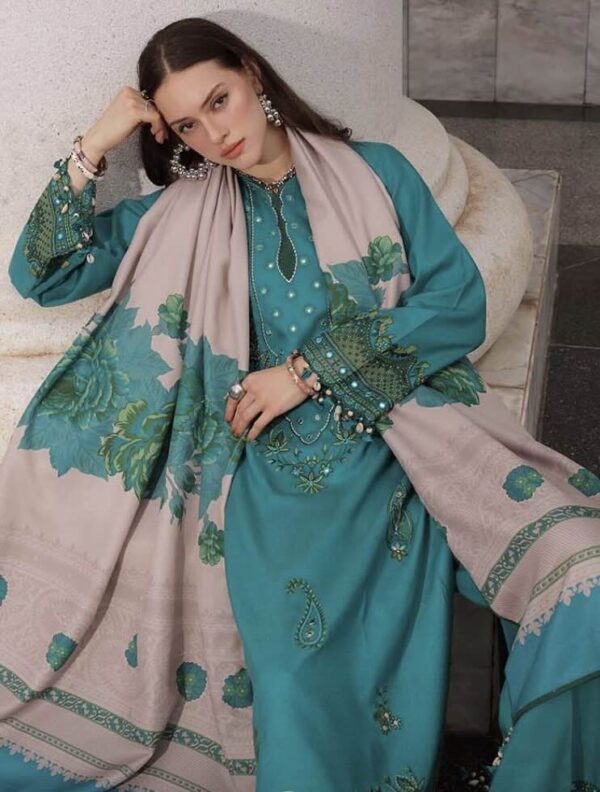
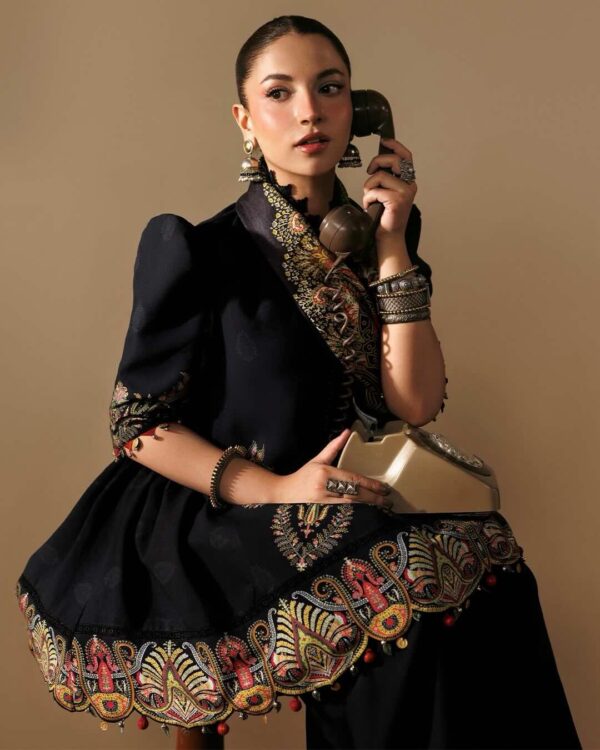
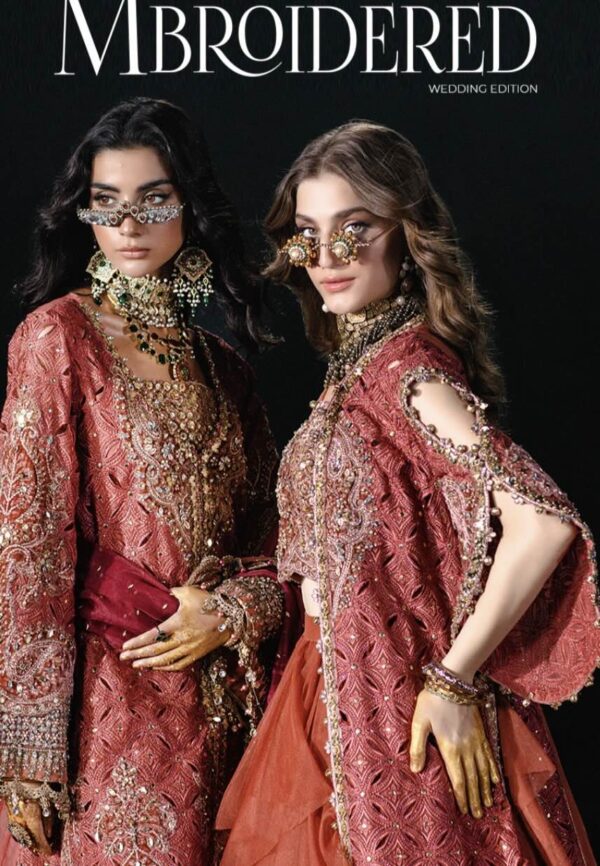
Leading South Asian designers and fashion houses have reinterpreted the anarkali with modern twists — jacket-style anarkalis, cape sleeves, high-low hemlines, and fusion fabrics with minimalist embroidery. On fabric, cotton suits everyday and summer wear, chiffon and georgette are lightweight and flowy for semi-formal events, and silk and velvet bring opulence to bridal and festive dressing. Embroidery ranges from traditional zardozi to contemporary threadwork and digital prints. Our best fabric guide helps you choose[cite: 1].
Popular Types of Anarkali Suits
Floor-length anarkali — sweeps to the floor; perfect for weddings and grand events.
South Asian anarkali — often paired with palazzos or shararas and rich in embellishment[cite: 1].
Cape anarkali — comes with a sheer or embroidered cape in place of the dupatta.
Jacket anarkali — paired with a stylish jacket for an Indo-western look.
Layered anarkali — multiple fabric layers for added volume and drama.
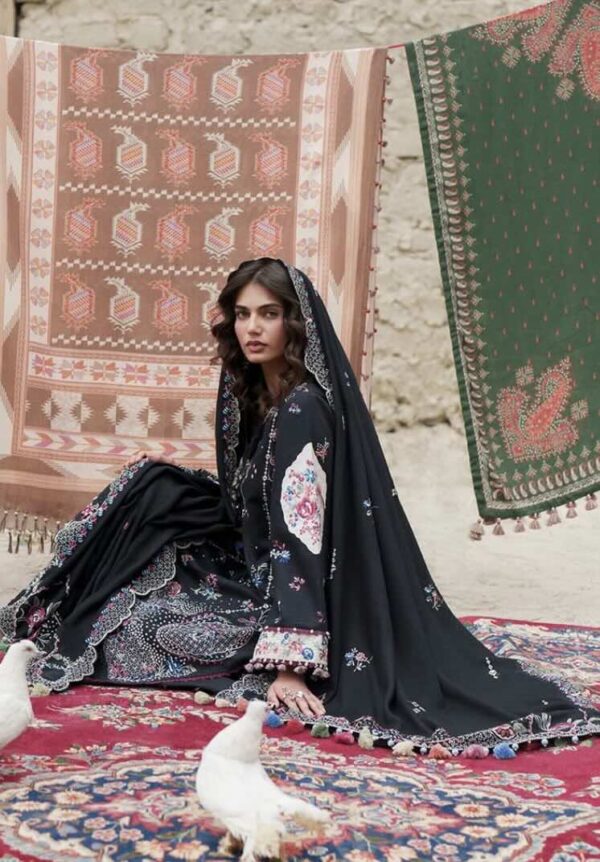
Designer anarkalis are especially loved — the Zara Shahjahan anarkali collection is a standout for its signature prints and refined embroidery.
How to Style an Anarkali Suit
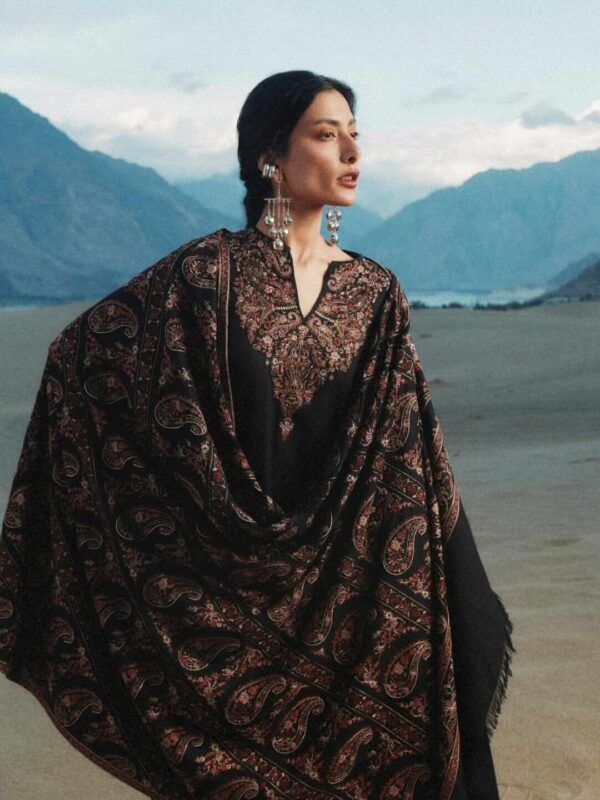
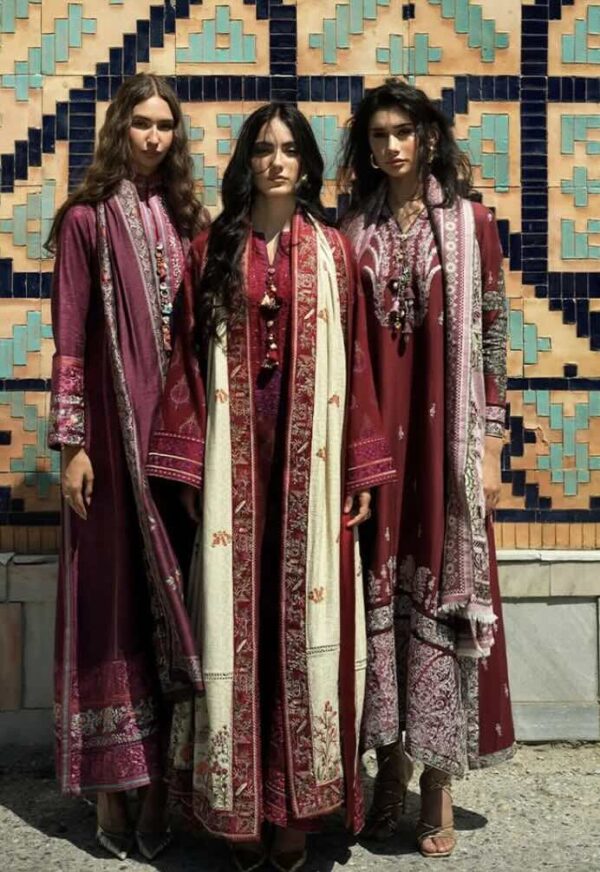
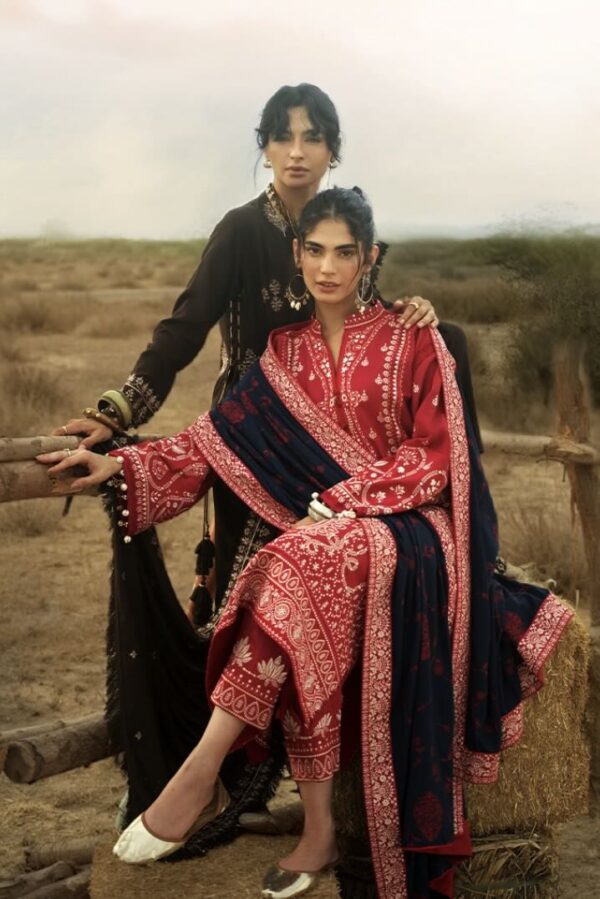
Jewellery: statement earrings or a choker work best depending on the neckline; a maang tikka and bangles elevate the regal look for bridal occasions. Footwear: pair with juttis, mojaris or embellished heels to complete the ethnic vibe. Dupatta: try different drapes — over one shoulder, around the arms, or over the head for traditional grace. Hair: loose curls, a bun with gajra, or a braid all pair beautifully. For more, see our styling guide, and our wedding wear guide for occasion dressing[cite: 1].
Where to Buy Original Anarkali Suits Online
Shop 100% original designer anarkali suits at The Fashion Station, with ready-to-wear styles and unstitched designs that can be tailored to your measurements through our stitching service[cite: 1]. Choose from 500+ premium brands and over 10,000 styles. Many designs are ready to ship, and you can browse more in salwar suits, the full Pakistani suits online range, and the Eid 2026 festive edit[cite: 1].
100% original designer wear · ISO & SEDEX certified since 2014 · Free shipping, Cash on Delivery & 30-day easy returns across India[cite: 1]. Discount Auto-Applied at checkout on eligible styles[cite: 1].
Frequently Asked Questions
What is the difference between an Anarkali and a lehenga?
Both are traditional outfits, but an anarkali suit is a long, frock-style garment worn with leggings and a dupatta, while a lehenga is a separate skirt-and-blouse ensemble paired with a dupatta. The anarkali is a single flowing piece; the lehenga is a two-piece set.
What are the different types of Anarkali suits?
The most popular types are floor-length, South Asian, cape, jacket and layered anarkalis. Each suits a different occasion — floor-length and layered styles for weddings, cape and jacket styles for fusion and party looks[cite: 1].
Can Anarkali suits be worn to a wedding?
Absolutely. Heavily embroidered, floor-length anarkalis in rich fabrics like silk, net and georgette are a perfect choice for weddings, sangeet and reception events.
Are Anarkali suits in fashion in 2026?
Yes. Anarkali suits remain a leading ethnic-wear choice in 2026, with floor-length and gown-style designs trending for weddings and lighter cape and jacket styles popular for festive and party wear.
Where can I buy original Anarkali suits online in India?
You can shop 100% original designer anarkali suits at The Fashion Station, an ISO and SEDEX certified store operating since 2014, with free shipping, Cash on Delivery and 30-day easy returns across India[cite: 1].
Can I get an Anarkali suit stitched to my measurements?
Yes. Unstitched anarkali designs can be tailored to your exact measurements through our stitching service, while many styles are also available ready to ship for immediate wear[cite: 1].
Is The Fashion Station genuine and reliable?
Yes. The Fashion Station has been operating since 2014 and is ISO 9001, 14001 and 45001 certified and SEDEX audited, GST registered, MSME registered, with a registered trademark and Import Export Code[cite: 1]. Read reviews or search The Fashion Station on Google[cite: 1].
Where can I read reviews of The Fashion Station?
Verified customer reviews are on our dedicated reviews page and in our Client Diaries dashboard[cite: 1]. You can also search The Fashion Station on Google.