
How to Drape a Dupatta — 10 Stylish Ways
The dupatta is the most underrated piece in any suit. Learning how to drape a dupatta well can completely change a look — turning the same kameez from office-ready to wedding-ready in seconds. Below are ten draping styles, from everyday-easy to full bridal, with notes on when each works best. Try them with your favourite designer salwar kameez and you will never look at a dupatta the same way again.
Why the Drape Matters
A dupatta does three jobs at once: it adds colour and movement, it frames the face and neckline, and it sets the formality of the whole outfit. The very same suit can look relaxed with a casual scarf drape and regal with a pinned cape. Because it is the easiest element to restyle, mastering a few drapes effectively multiplies your wardrobe. Learn more about the garment’s heritage on its Wikipedia page.
10 Ways to Drape a Dupatta
1. The Classic Both-Shoulder Drape
Spread the dupatta evenly across both shoulders so it falls down the front on either side. Simple, symmetrical and perfect for everyday and office wear.
2. The Single-Shoulder Pin
Pleat the dupatta neatly and pin it on one shoulder, letting it cascade down the back. It looks tidy and intentional — ideal when you want the kameez and neckline on full display.
3. The Cape Drape
Open the dupatta across both shoulders and let it hang behind like a cape. Dramatic and modern, this suits Anarkalis and party-wear beautifully.
4. The Saree-Style (Seedha Pallu)
Drape it across the front of the body and over one shoulder, mimicking a saree pallu. Elegant and graceful, it works wonderfully for receptions and formal events.
5. The Belted Dupatta
Drape it over one shoulder, then cinch it at the waist with a thin belt. On-trend, structured and flattering — a favourite for fusion and contemporary looks.
6. The Double Dupatta
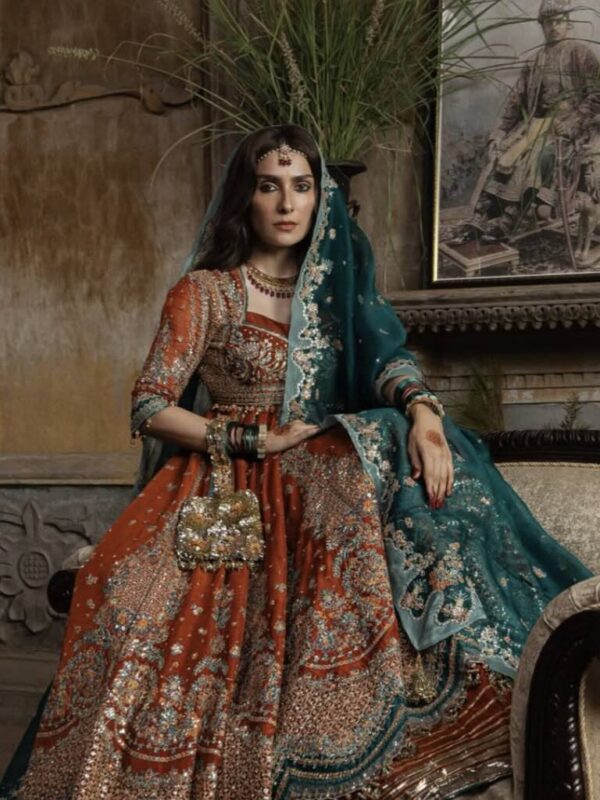
Layer two dupattas — one lighter, one embellished — for a rich, bridal-adjacent effect. A staple of festive and wedding dressing.
7. The Around-the-Neck Scarf
Loop a lightweight chiffon dupatta loosely around the neck like a scarf. Effortless and casual, great for daily wear and travel.
8. The Lehenga-Style Drape
Pin one end at the waist and take the other over the shoulder, lehenga-style. It adds height and occasion polish — lovely over heavier festive suits and with lehenga sets.
9. The Wrist Drape
Carry the dupatta over the forearms rather than the shoulders — a poised, photo-ready style often seen at engagements and shoots.
10. The Veil (Head) Drape
Take one end over the head as a veil, the other across the body. The most traditional option, reserved for weddings, nikah and the most formal occasions — see our wedding wear guide.
Choosing the Right Dupatta Fabric
The drape only works if the fabric cooperates. Light chiffon and net fall softly and suit pleated, pinned and cape styles; crisp organza holds structured shapes like the belted drape; heavier embroidered dupattas carry the lehenga-style and double-dupatta looks. Our fabric guide explains how each behaves so you can pick a drape that actually holds.
Drape by Occasion
For office and daily wear, keep it simple — the both-shoulder or scarf drape. For festive days, try the single-shoulder pin or belted style. For weddings and grand events, the double dupatta, lehenga-style or veil drape bring the drama. Pair the right drape with a flattering neckline and the outfit styles itself. Browse pieces across 150+ labels in the brand directory; any applicable discount is auto-applied at checkout.
How to Keep a Dupatta in Place
The biggest frustration with dupattas is constant readjusting. A few tricks fix it. Small safety pins or decorative brooches at the shoulder hold a pinned or cape drape securely without showing. Tiny fabric weights or latkans sewn into the corners stop lightweight chiffon from sliding. Neat, pressed pleats sit far better than a bunched dupatta, so take a moment to pleat before you pin. For all-day events, double-sided fashion tape at the shoulder seam is invisible and reliable. And choosing a slightly heavier dupatta for an active day simply behaves better than the lightest net. Set it once properly and you can forget about it.
Common Draping Mistakes to Avoid
A few easy errors flatten an otherwise lovely look. Over-bulky pleats add width at the worst point and overwhelm a slim kameez — keep them slim and flat. Forcing a structured drape onto floppy fabric (or a soft drape onto stiff organza) never holds, so match the style to the cloth. Covering an embellished neckline entirely wastes the detail you paid for; leave it visible where the suit is designed to show it. Finally, mind the length — a dupatta that pools on the floor or stops awkwardly short throws off the proportions. Get these right and even a simple suit looks polished.
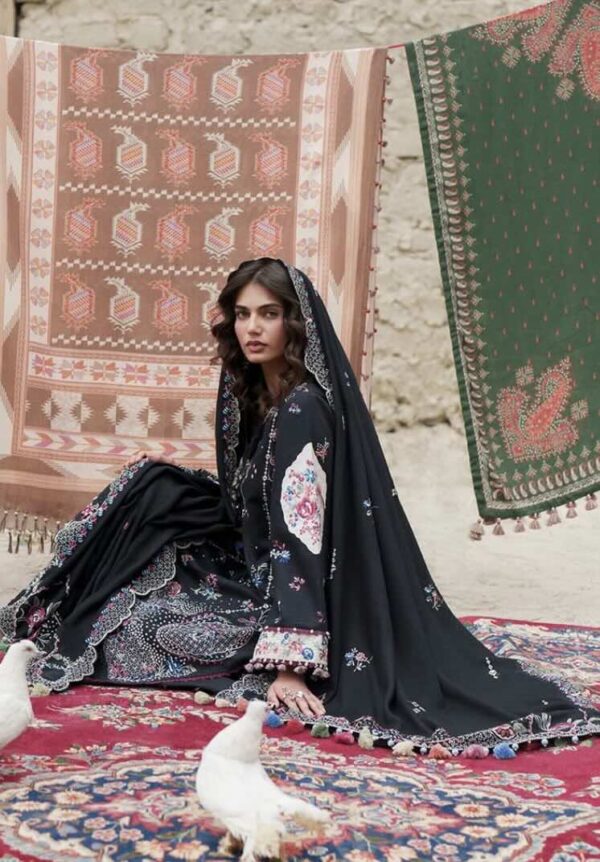
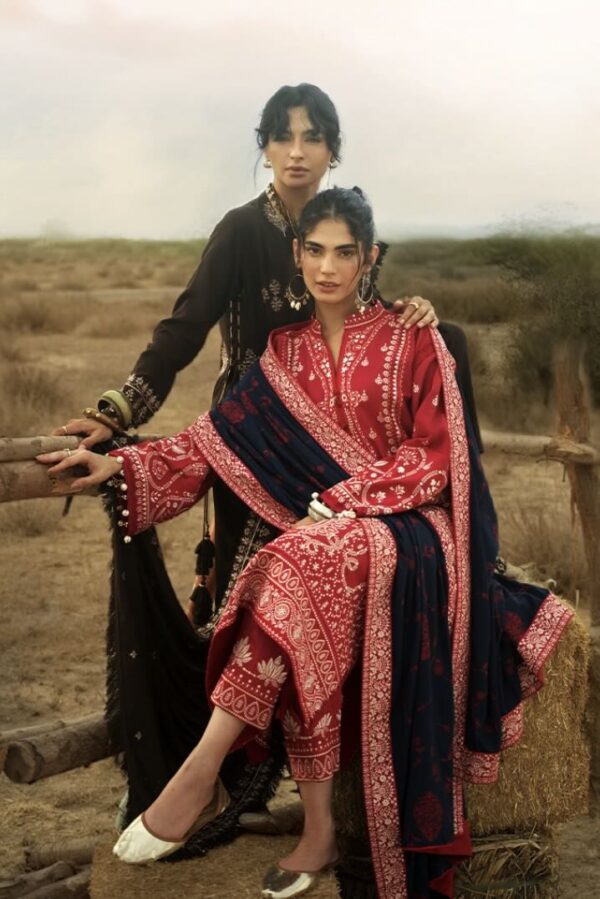
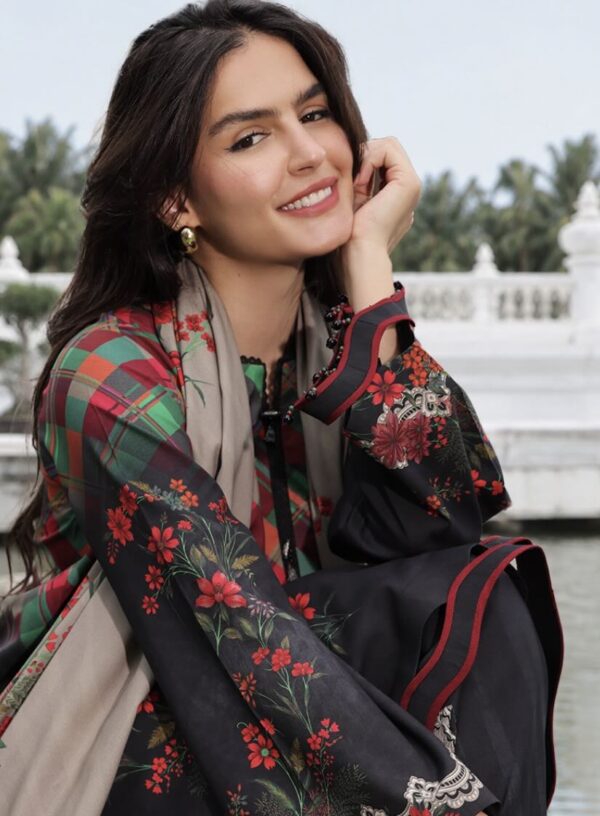
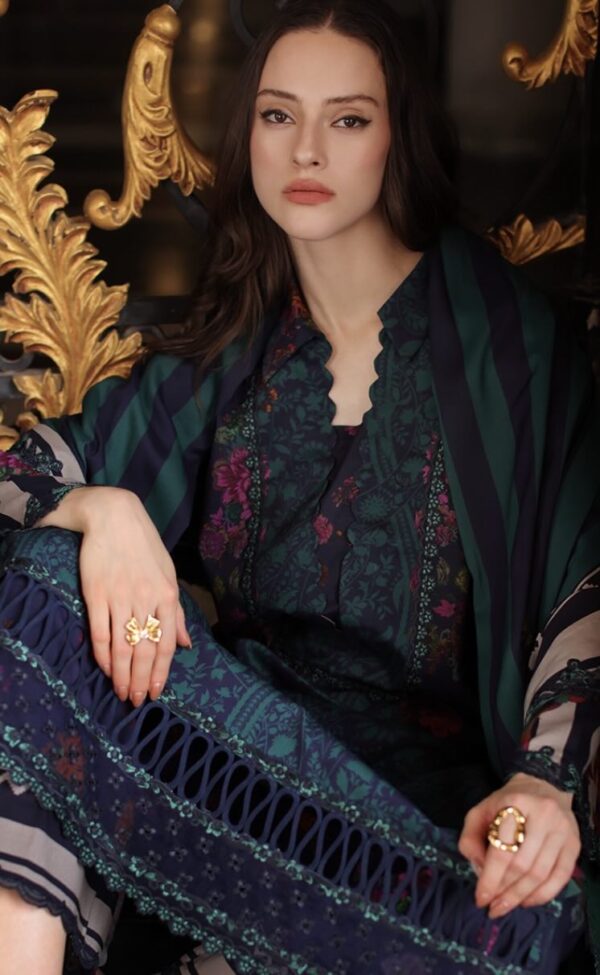
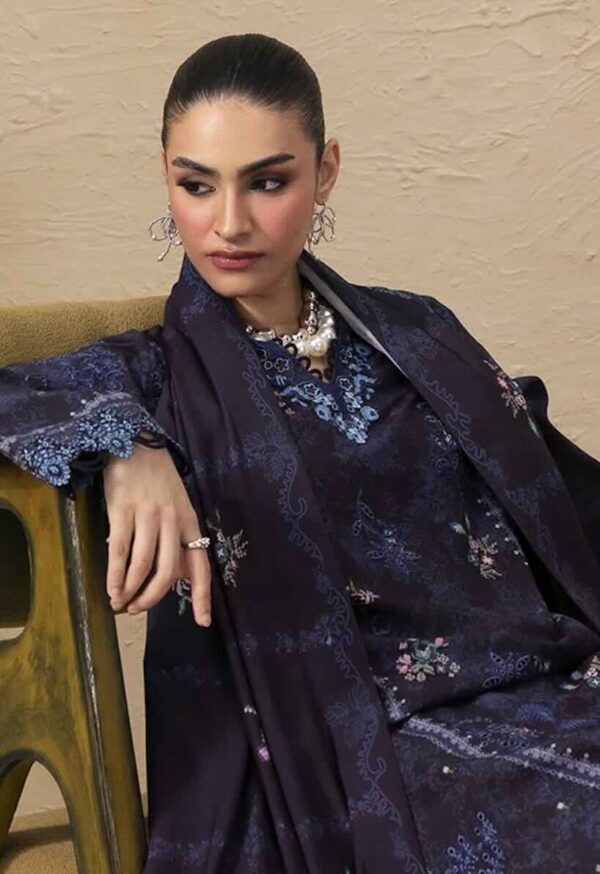
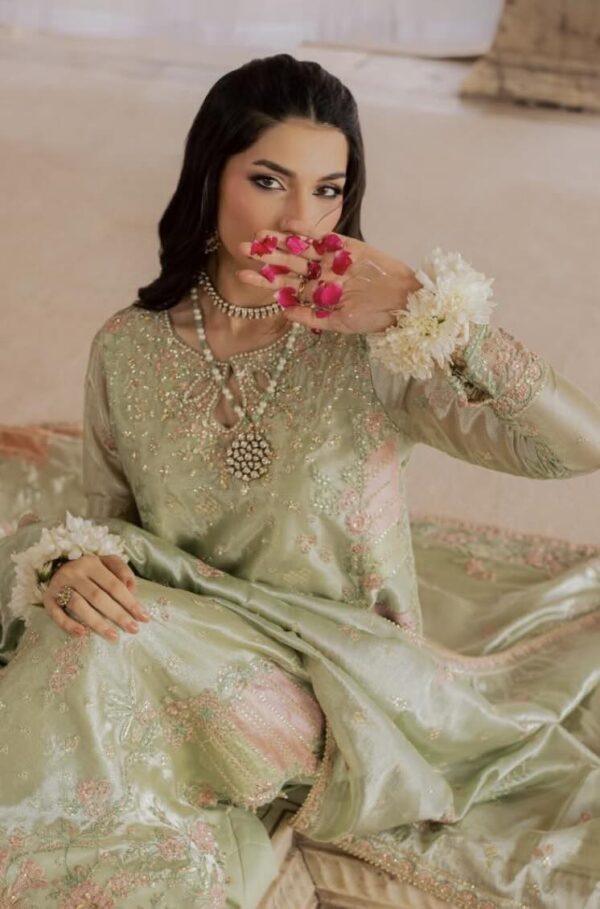
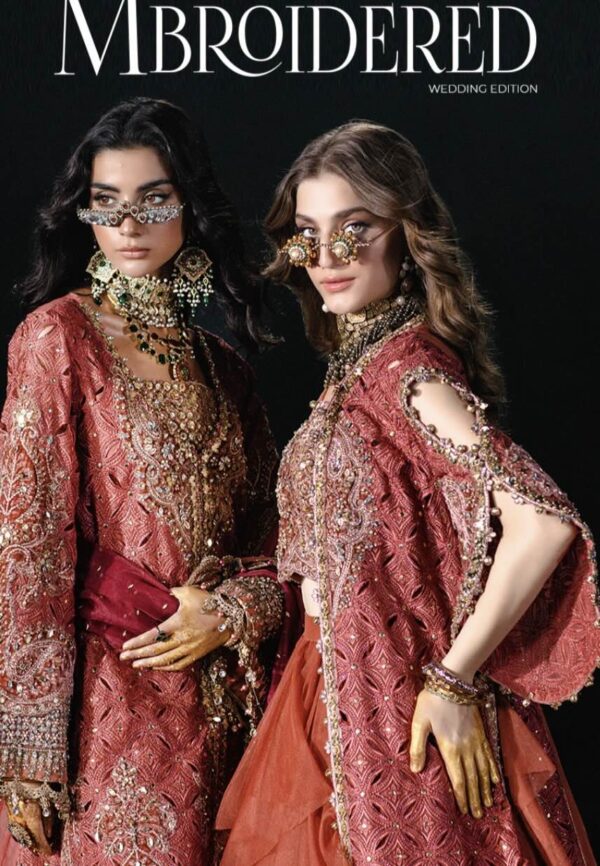
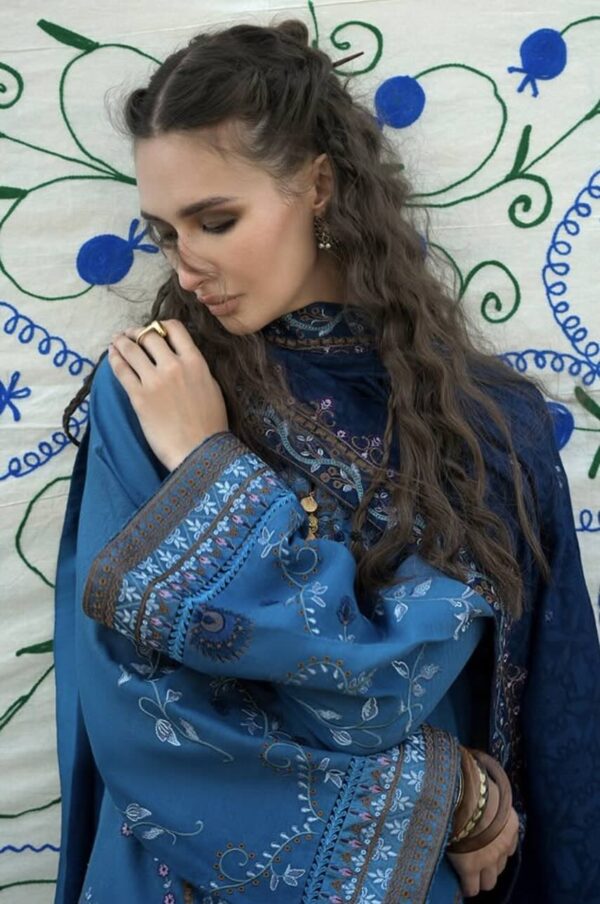
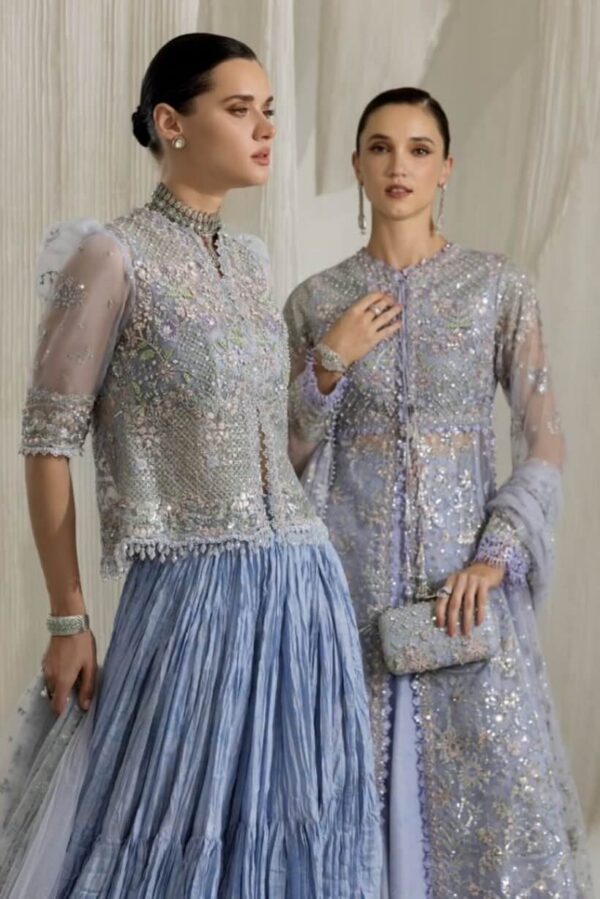
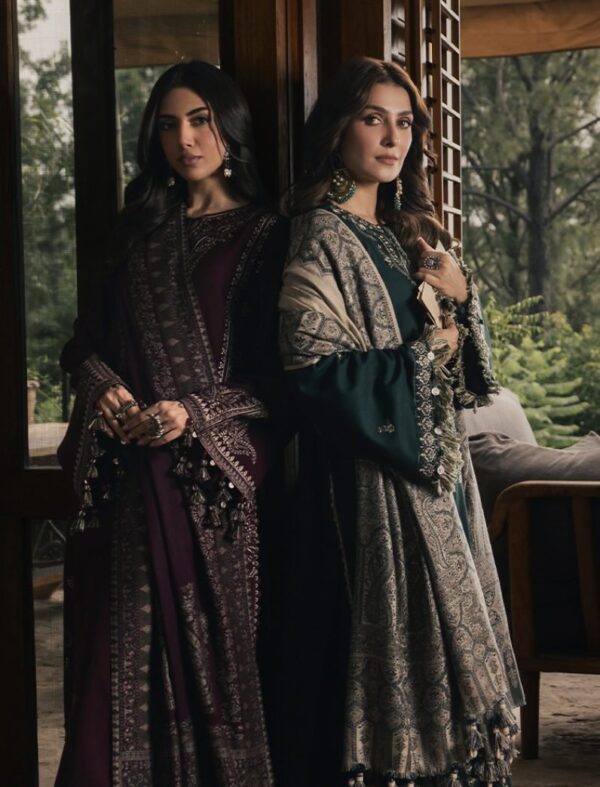
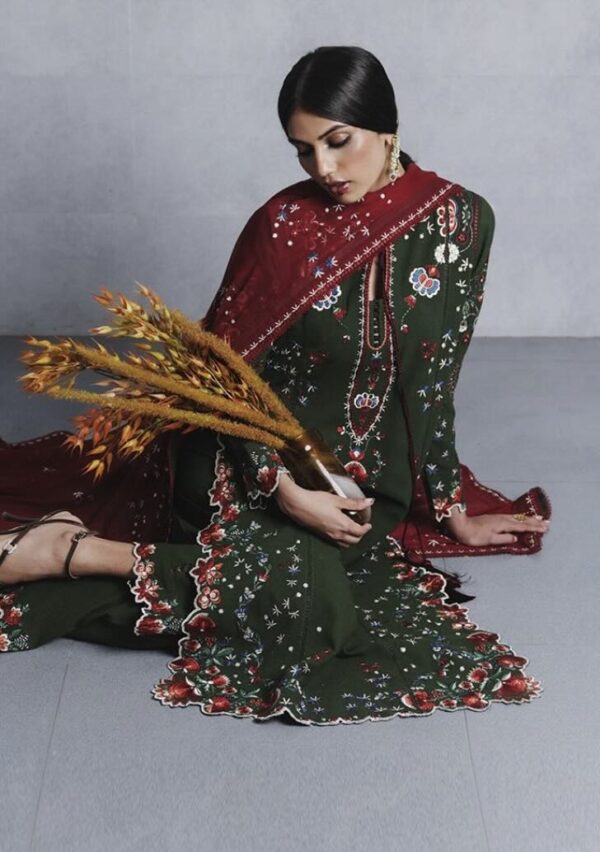
Shop Suits & Dupattas by Category
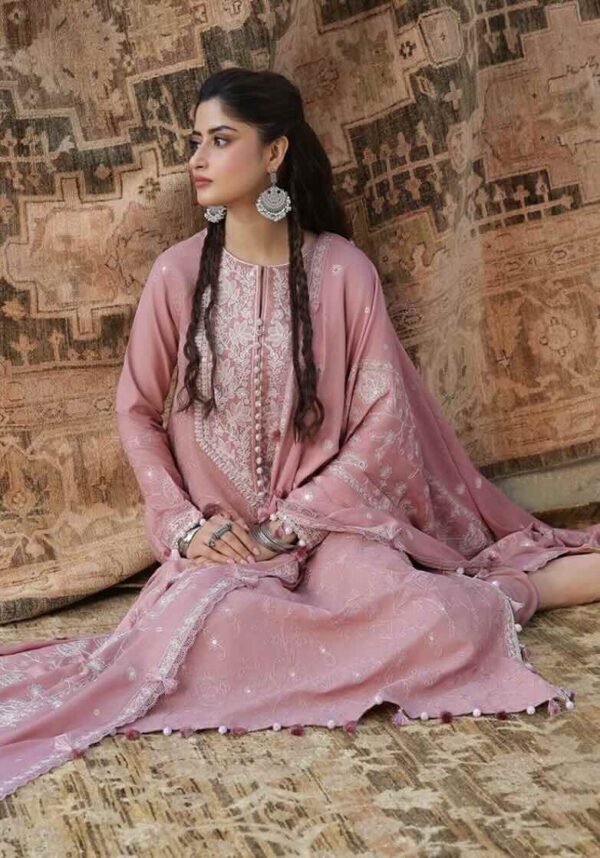
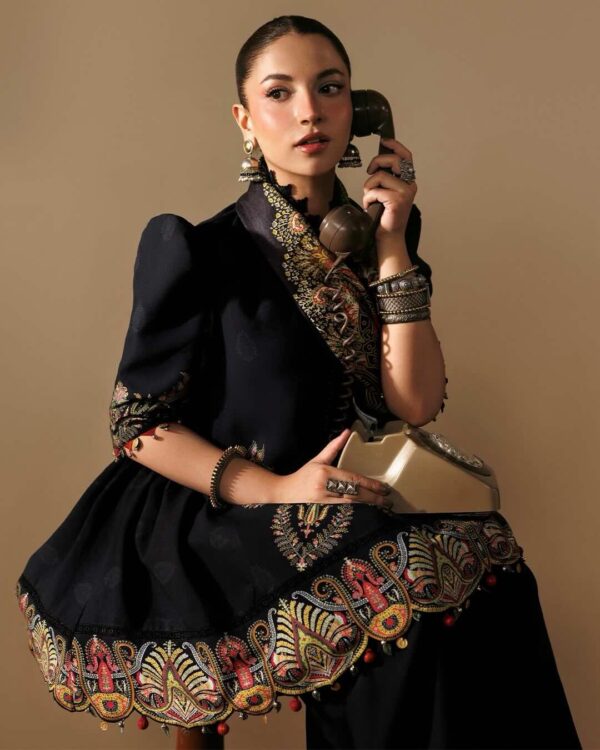
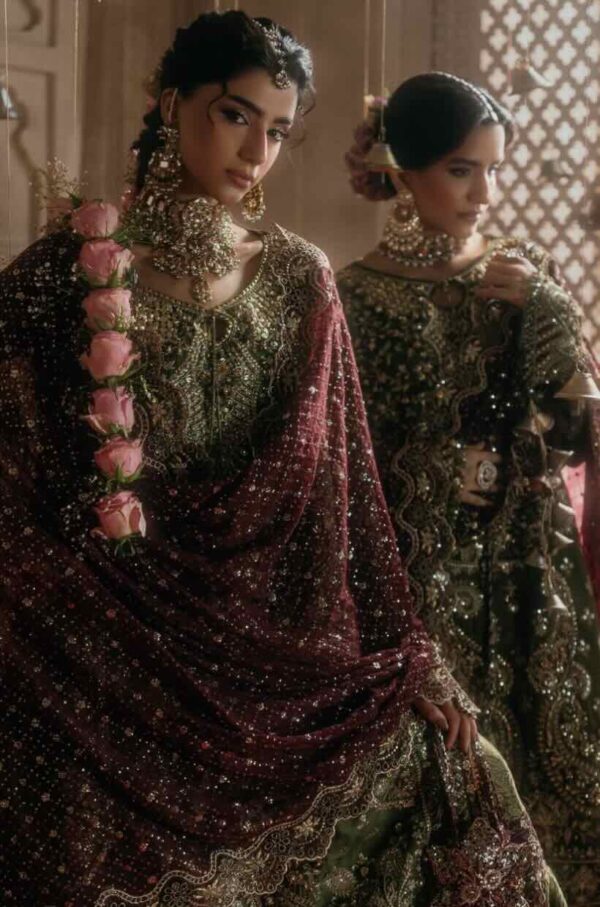
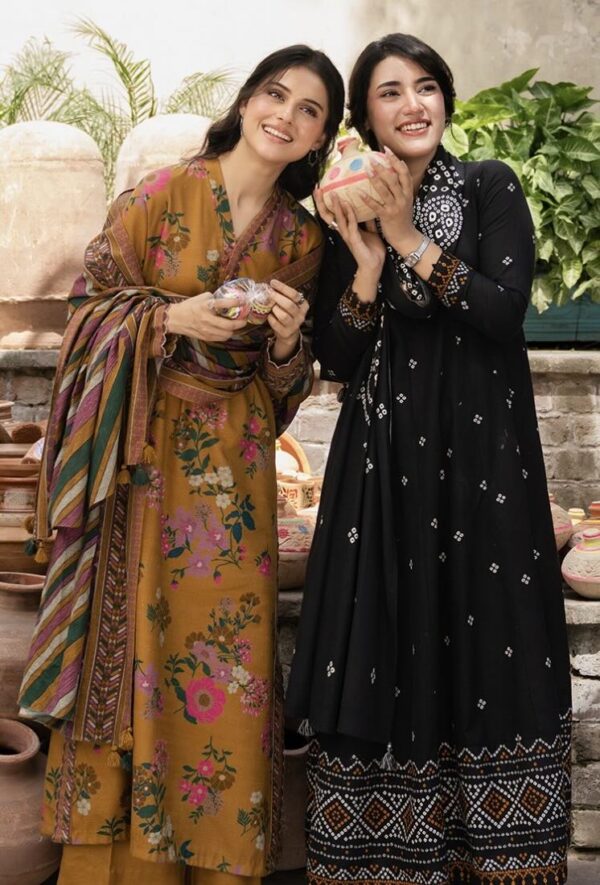
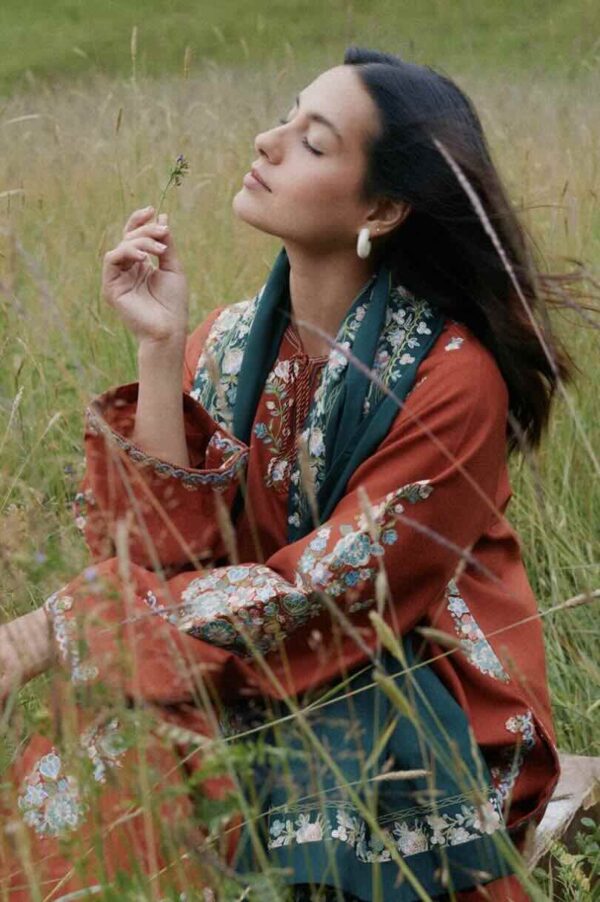
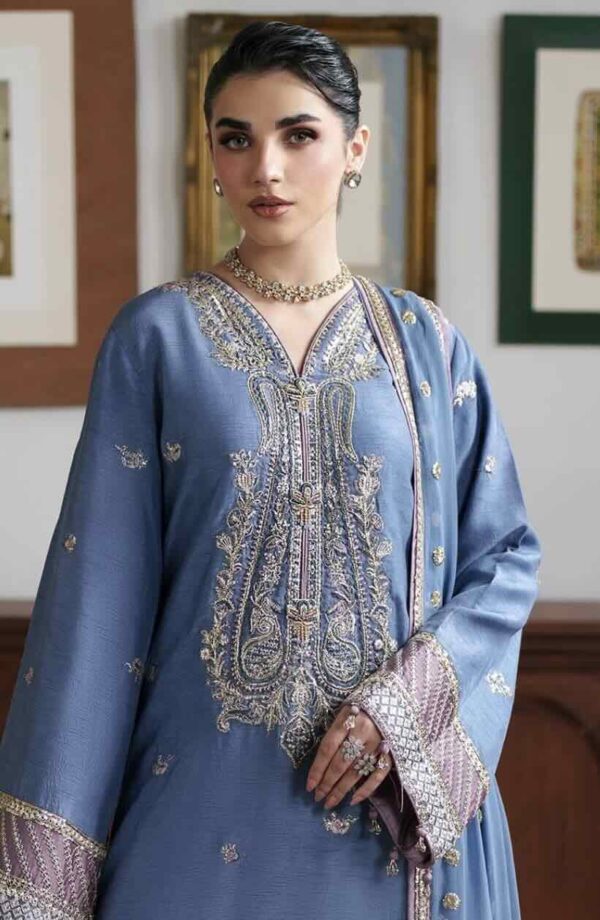
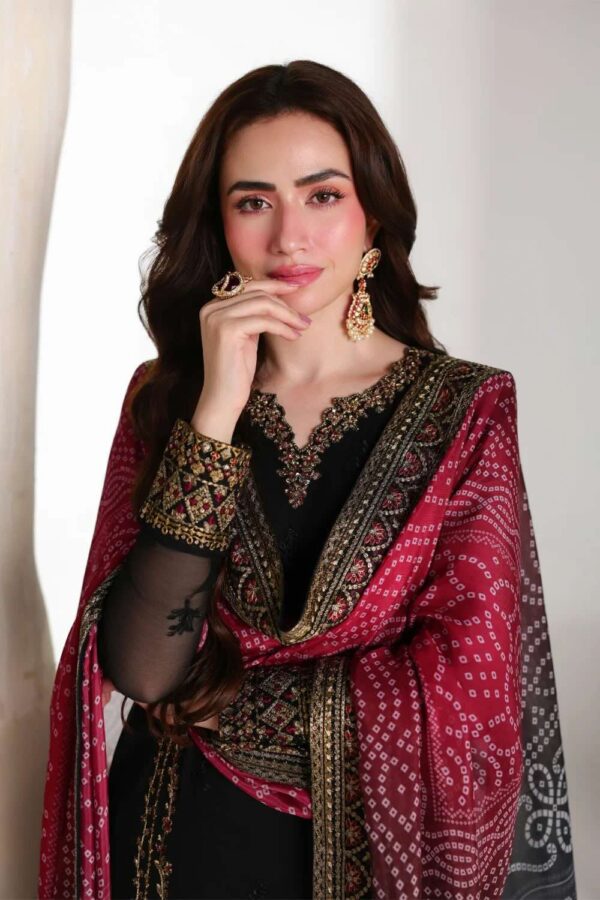
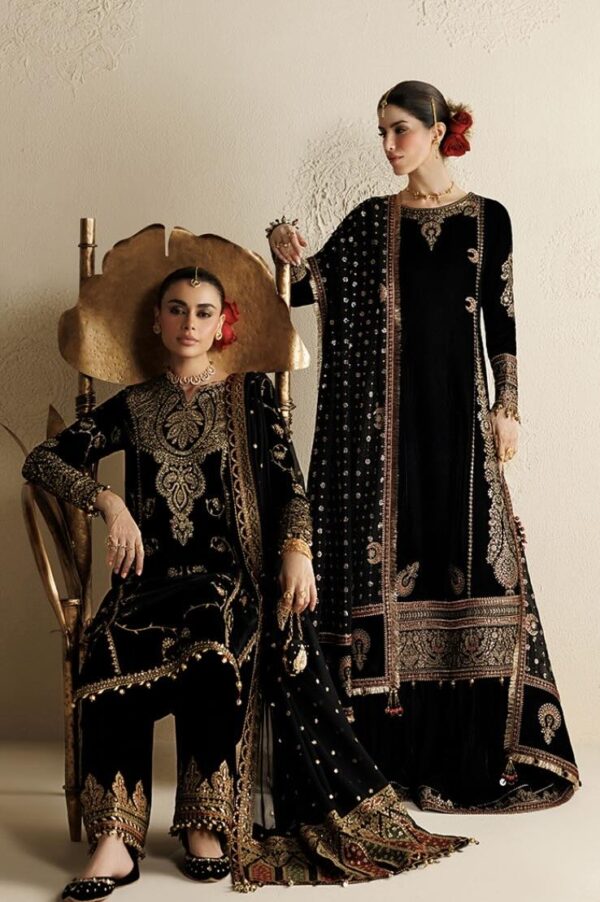
Frequently Asked Questions
What is the easiest way to drape a dupatta?
The classic both-shoulder drape is the easiest — simply spread the dupatta evenly across both shoulders so it falls down the front on either side. The around-the-neck scarf style is just as effortless for casual days.
How do I drape a dupatta for a wedding?
For weddings, the double dupatta, lehenga-style drape or the traditional veil (head) drape work best, as they add the volume and formality the occasion calls for. Heavier embroidered dupattas suit these styles.
Which dupatta fabric is easiest to style?
Light chiffon and net are the most forgiving — they fall softly and hold pinned, pleated and cape drapes well. Crisp organza is better for structured looks like the belted drape, while heavier embroidered dupattas suit lehenga-style and double-dupatta styles.
Where can I buy designer suits with matching dupattas in India?
The Fashion Station has sold authentic designer ethnic wear online since 2014, with 150+ brands, free shipping and Cash on Delivery across 26,000+ pin codes, and 10-day returns. It is ISO 9001, 14001 and 45001 and SEDEX certified.