The Ultimate Guide to Sharara Suits: History, Styling, and Modern Relevance
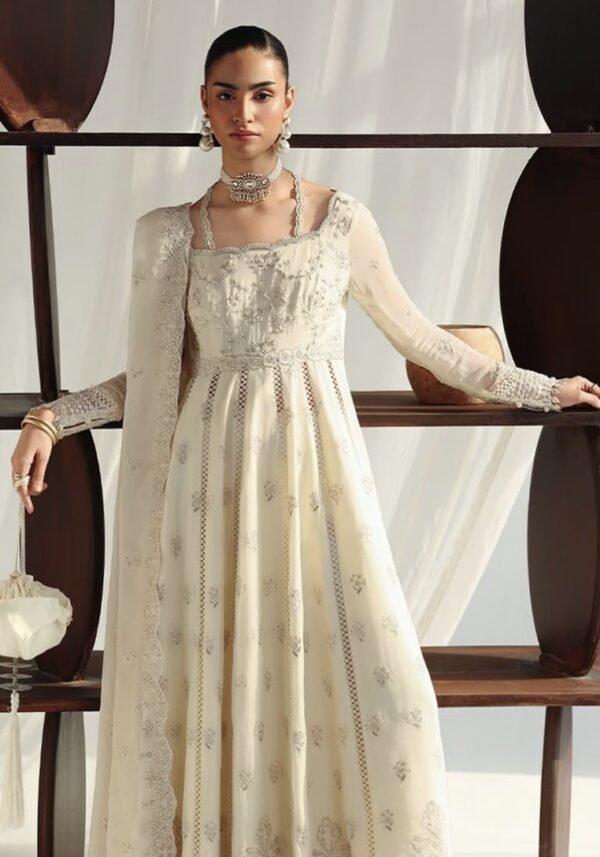
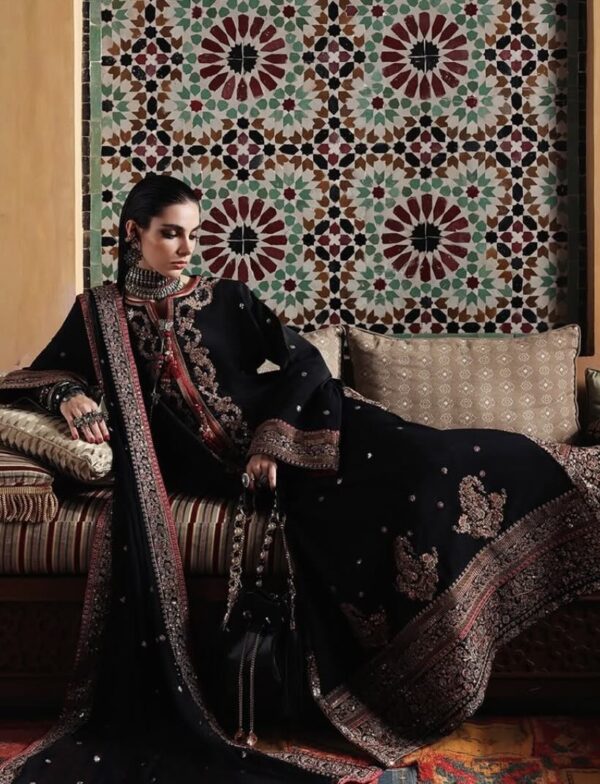
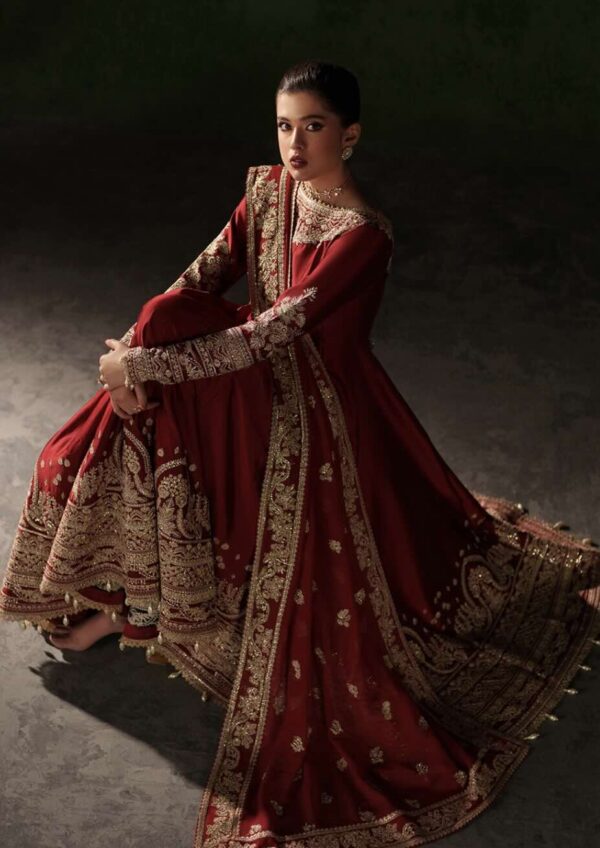
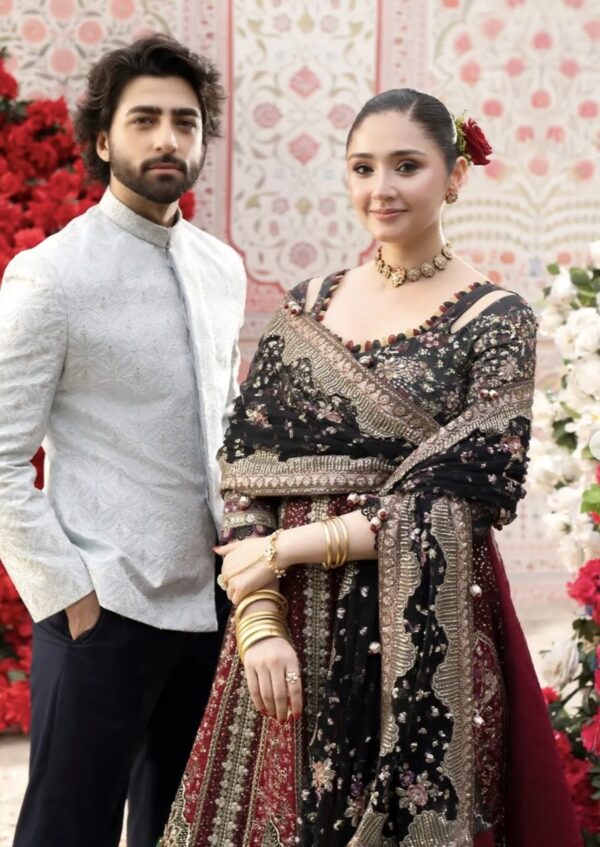
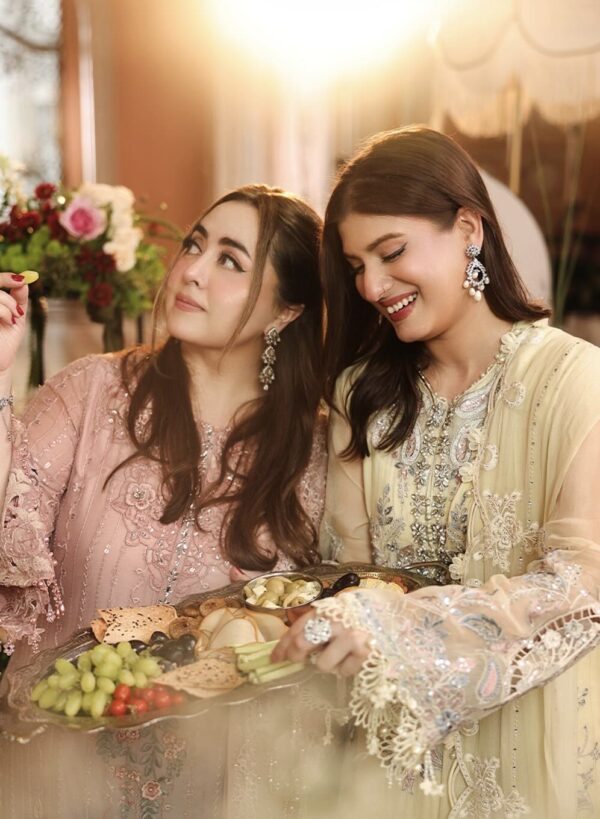
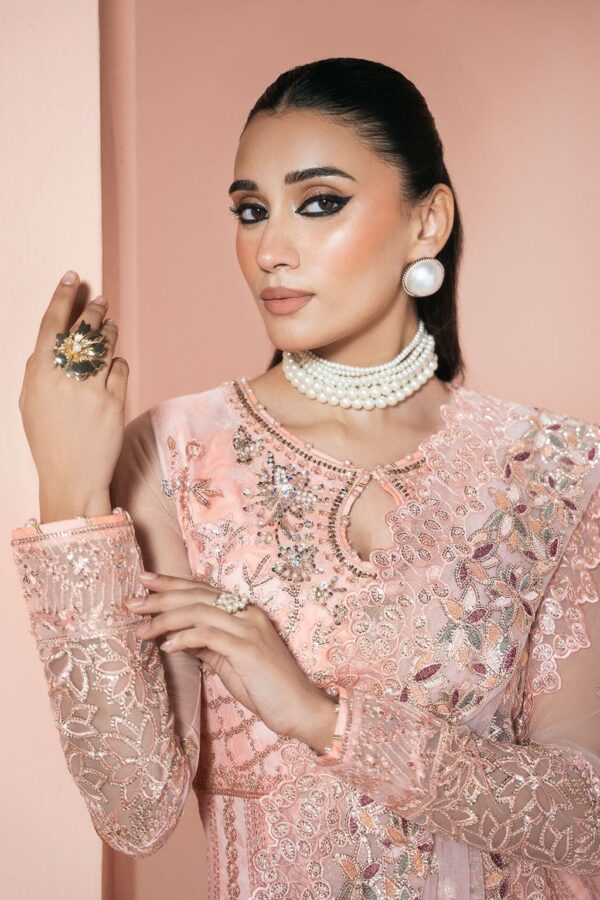
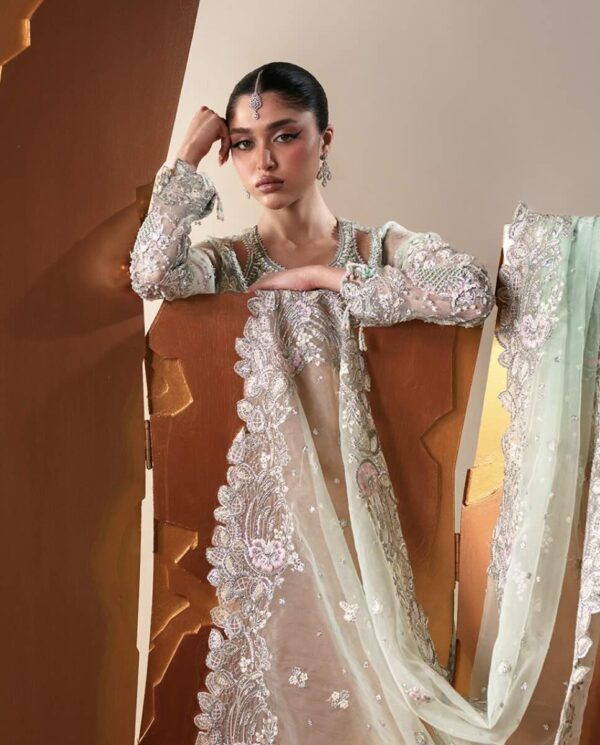
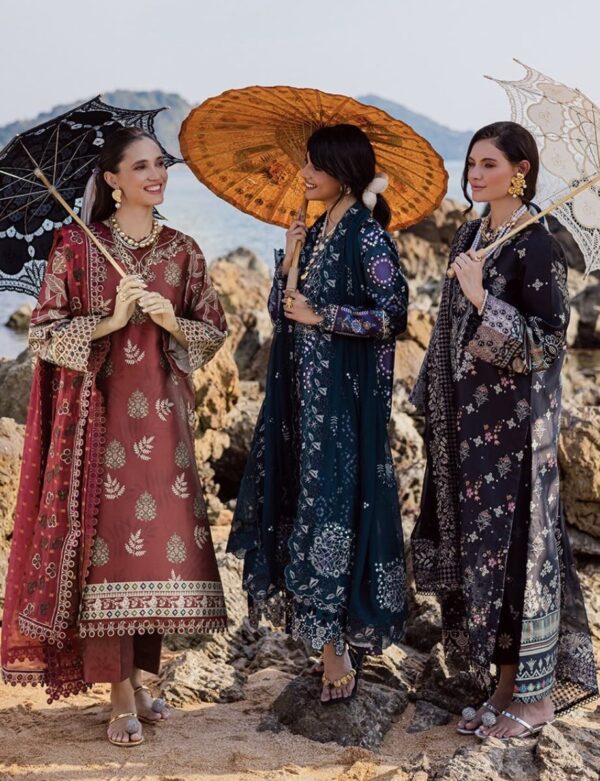
Sharara suits are an exquisite example of how Indian ethnic wear fuses elegance, history, and contemporary fashion. Known for their dramatic flair and graceful flow, these suits have made a powerful comeback in recent years as a go-to outfit for weddings, festive celebrations, and high-end fashion events.
In this in-depth guide, we will explore everything about Sharara suits—from their Mughal origins and regional influences to modern-day styling trends and shopping tips. Whether you’re a fashion blogger, enthusiast, or someone preparing for an event, this post will serve as your ultimate resource.
What is a Sharara Suit?
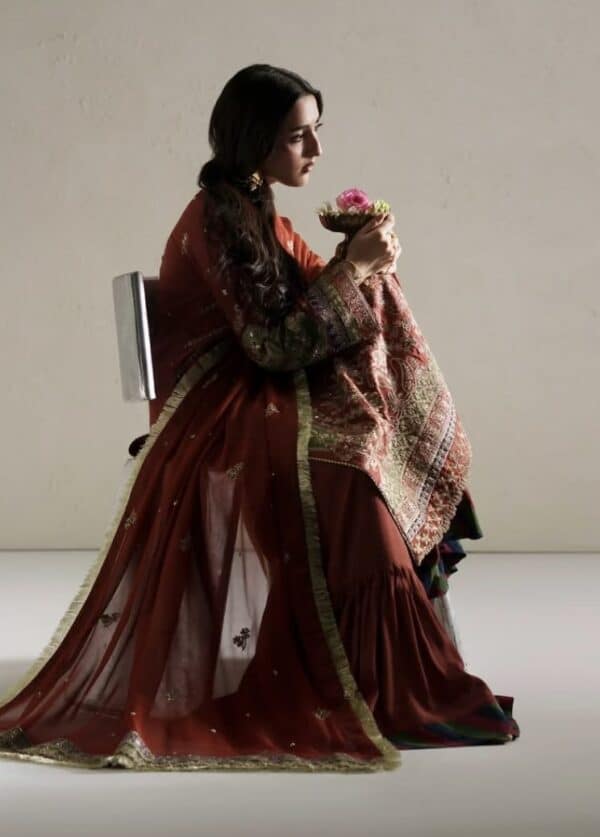
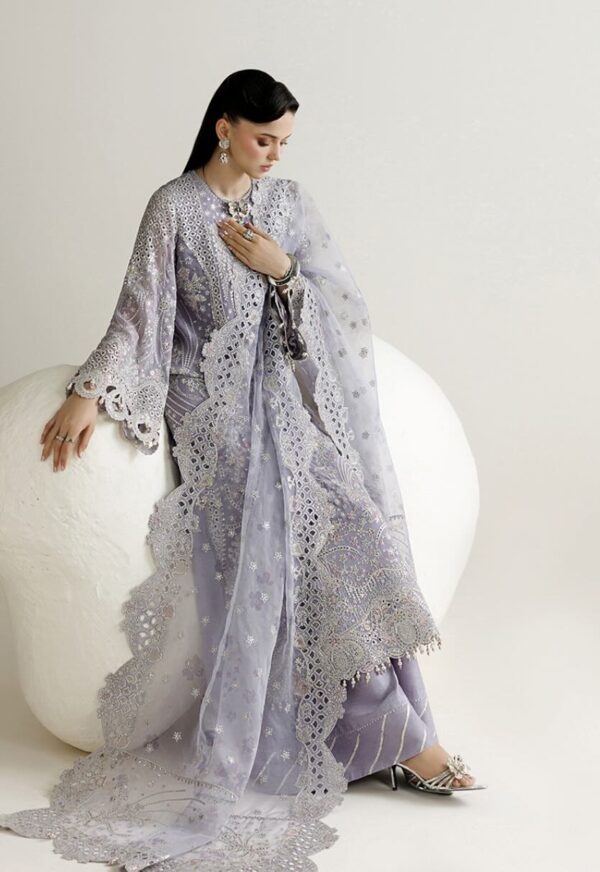
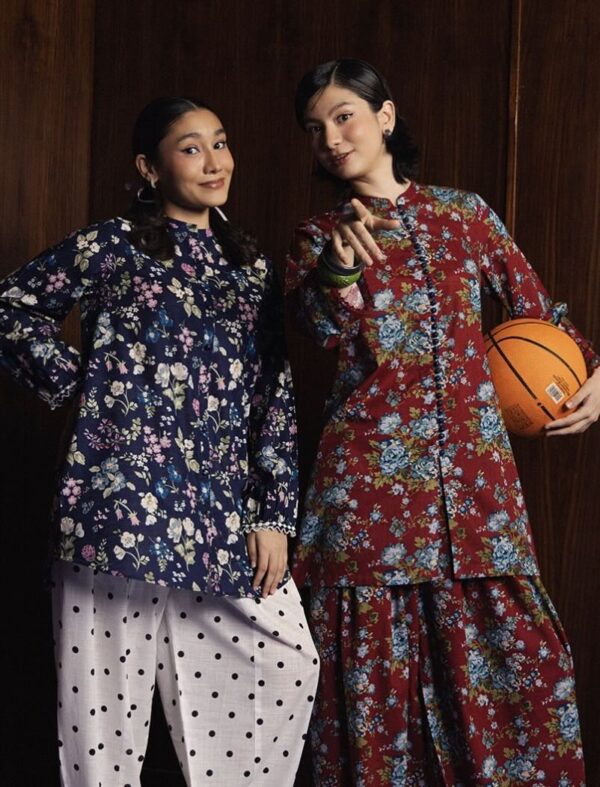
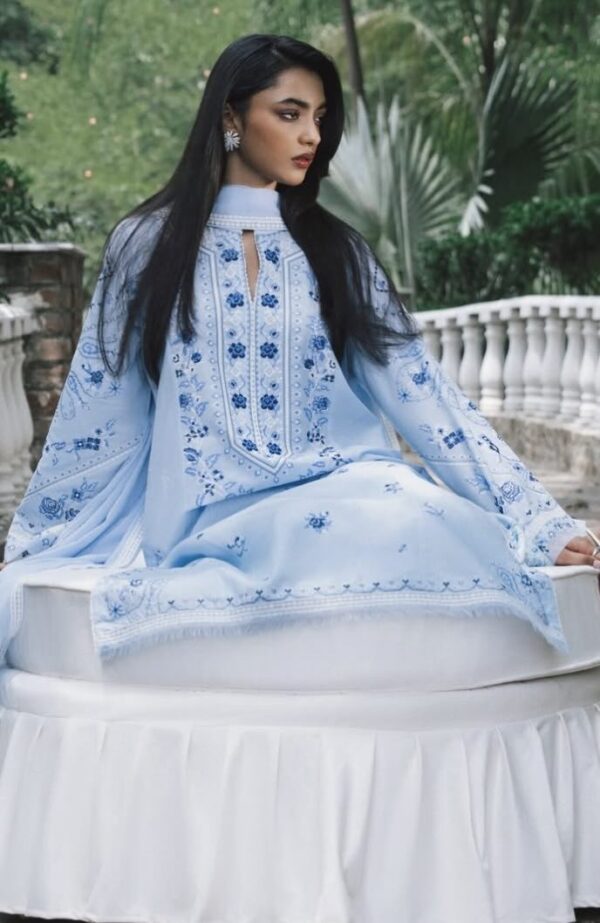
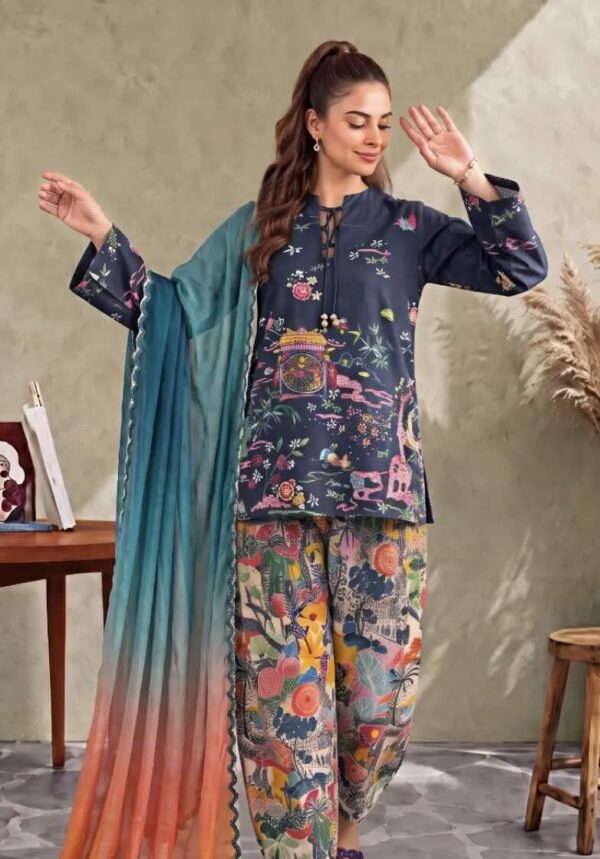
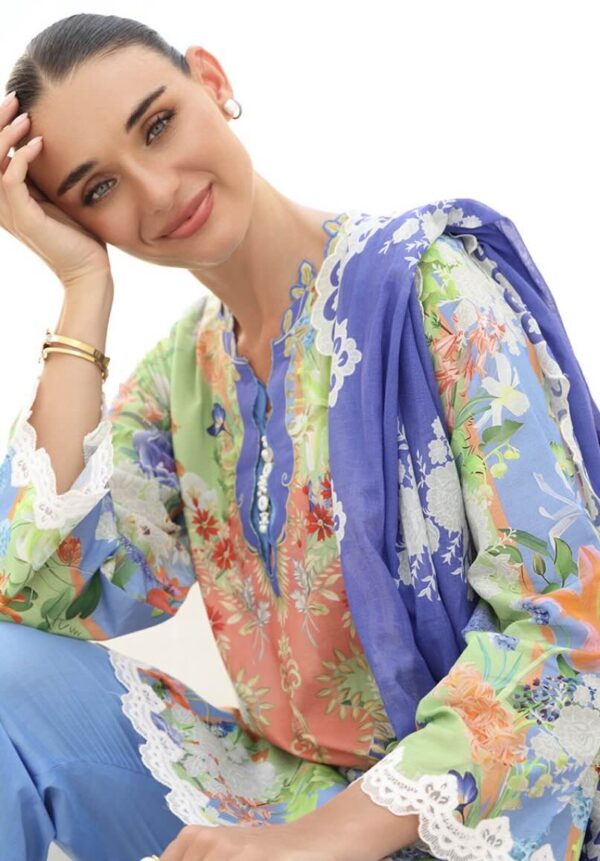
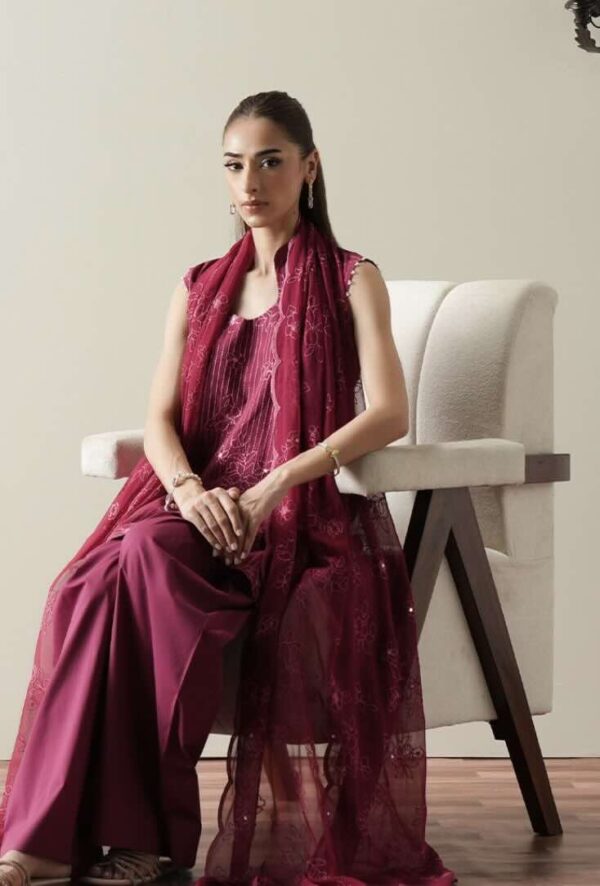
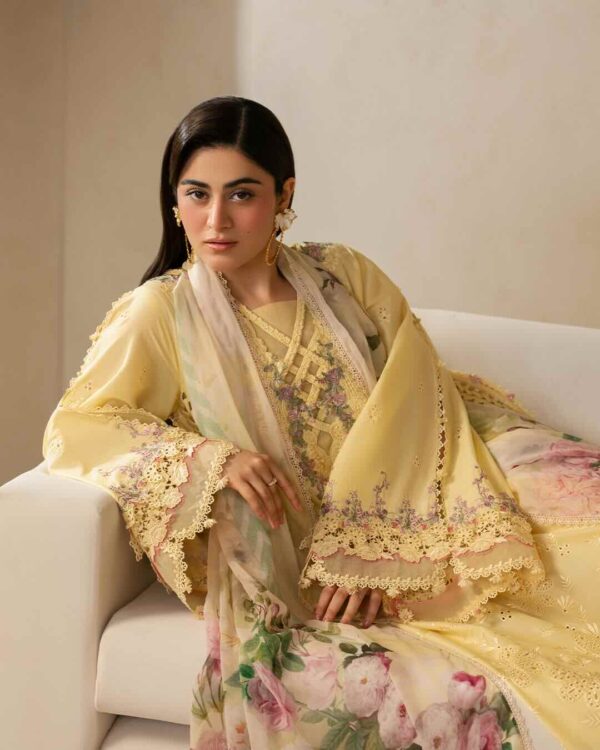
A Sharara suit is a traditional South Asian ensemble consisting of three pieces:
-
A short or mid-length kurti (top),
-
A pair of flared, wide-legged pants (sharara),
-
And a dupatta (scarf or stole).
The defining characteristic of this outfit is the sharara pants—they are fitted till the knees and flare out dramatically, creating a skirt-like silhouette while maintaining the comfort of pants.
Historical Origins of the Sharara
Sharara suits trace their origins back to the Mughal era, specifically the 17th century. They were a popular attire among royal women in the Awadh region (modern-day Uttar Pradesh) and have deep roots in the Islamic cultural landscape.
Mughal and Nawabi Influence
-
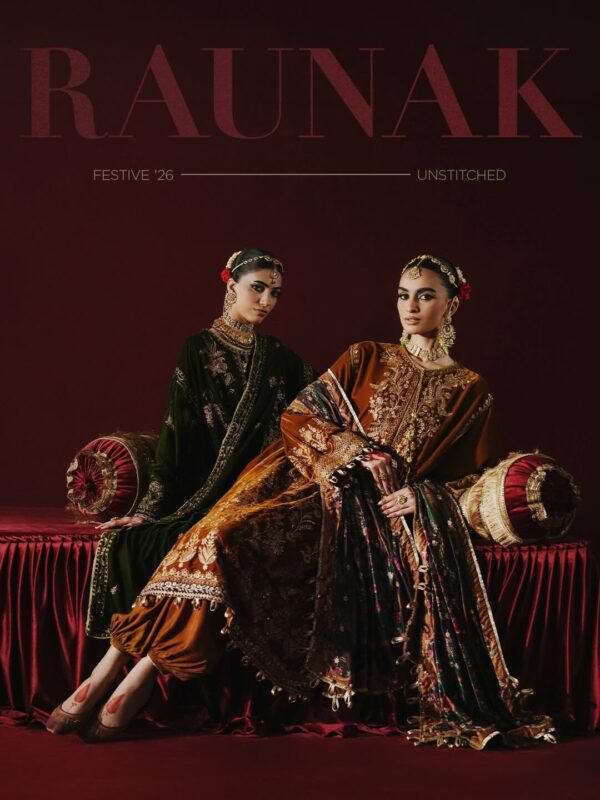
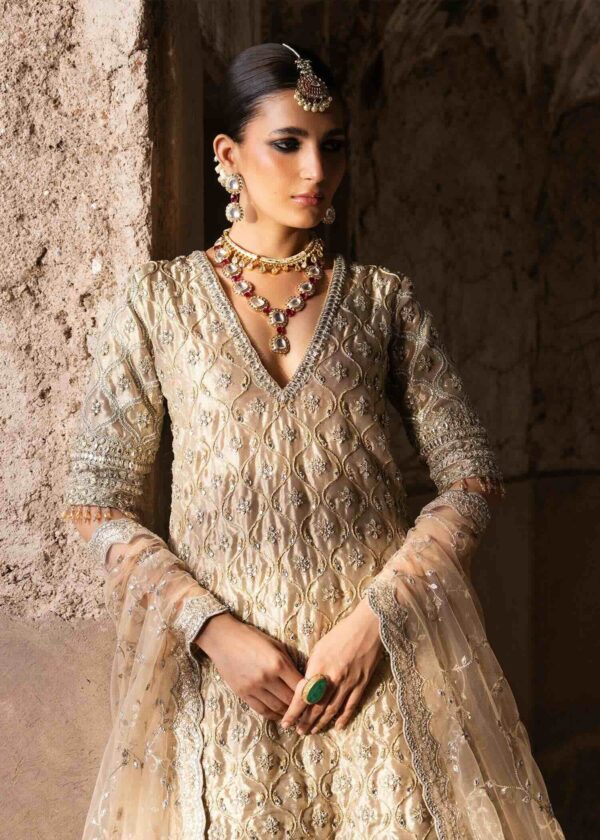
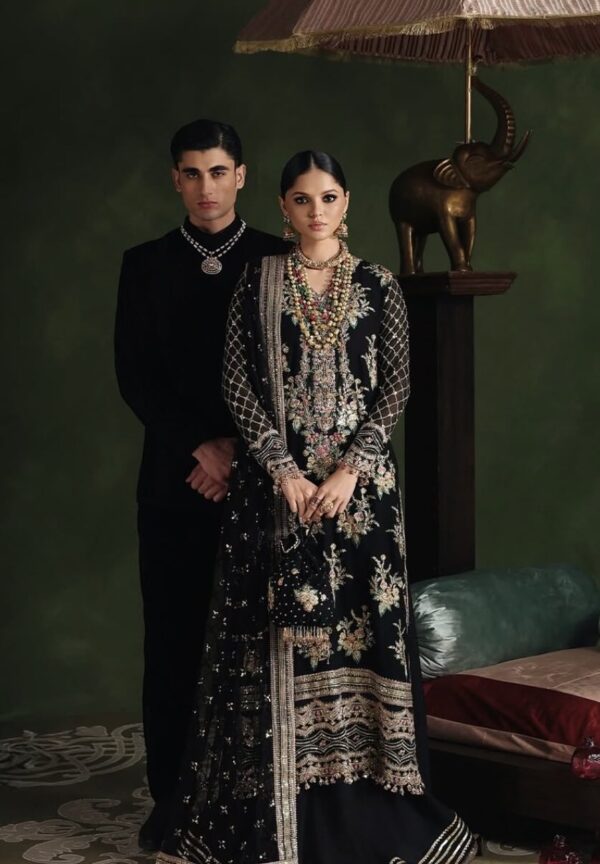
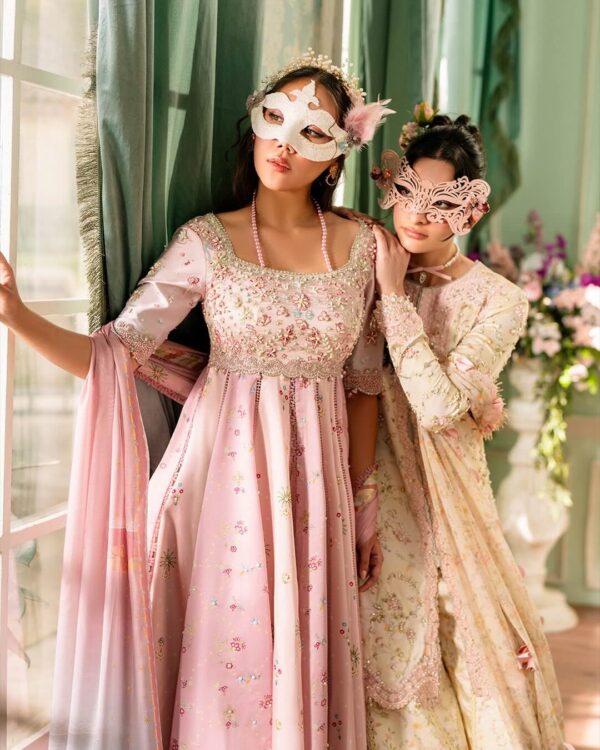
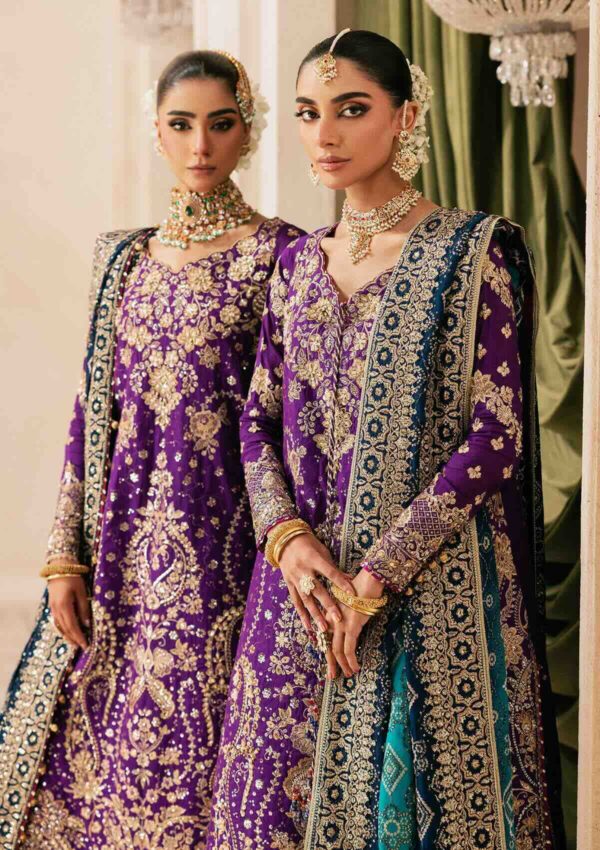
Originally worn by Mughal princesses and noblewomen, Sharara suits were tailored from luxurious fabrics such as silk, brocade, and velvet, embellished with intricate zardozi, gota patti, and karchobi work.
-
The wide-legged silhouette was not just a fashion choice but a symbol of aristocracy, grace, and femininity.
Why Sharara Suits Matter Today

1. Blend of Tradition and Modernity
Sharara suits beautifully marry traditional heritage with contemporary fashion aesthetics. Designers continue to reinvent them with:
-
Crop tops or peplum-style kurtis
-
Minimalist embroidery
-
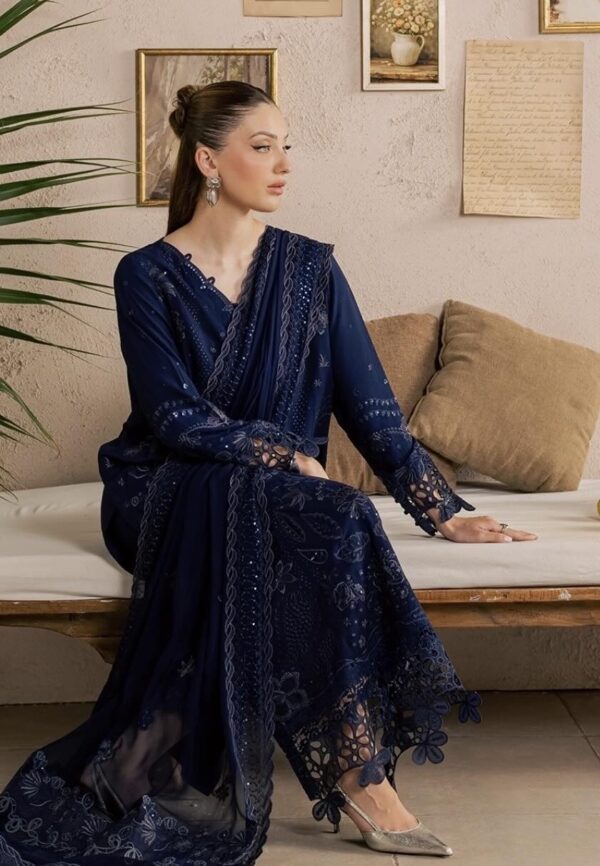
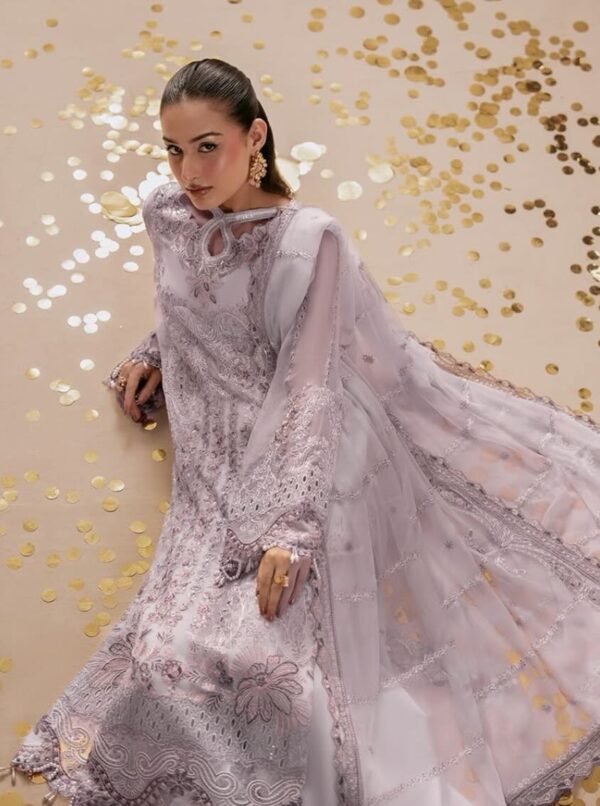
Modern fabrics like net and organza
2. Universally Flattering
The flared bottoms provide a structured silhouette that flatters most body types, offering both elegance and ease of movement.
3. Cultural and Ceremonial Relevance
They are an especially popular choice for:
-
Weddings (both guests and bridesmaids)
-
Festivals like Eid, Diwali, and Raksha Bandhan
-
Engagement and mehndi functions
Difference Between Sharara, Gharara, and Palazzo Suits
| Feature | Sharara Suit | Gharara Suit | Palazzo Suit |
|---|---|---|---|
| Silhouette | Flared from the knee | Has a joint (gota) at the knee | Straight or slightly flared |
| Top Style | Usually short kurti or peplum | Similar to sharara | Longer kameez |
| Occasion | Festive, formal | More traditional/formal | Casual to semi-formal |
Understanding these differences is crucial for shoppers and fashion stylists alike, especially when choosing attire for cultural authenticity or modern events.
Modern Variations of Sharara Suits
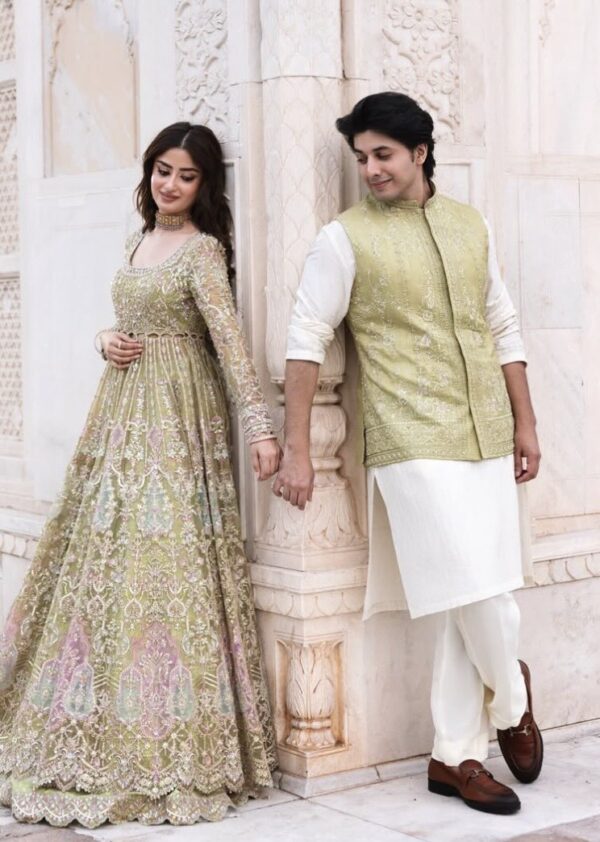
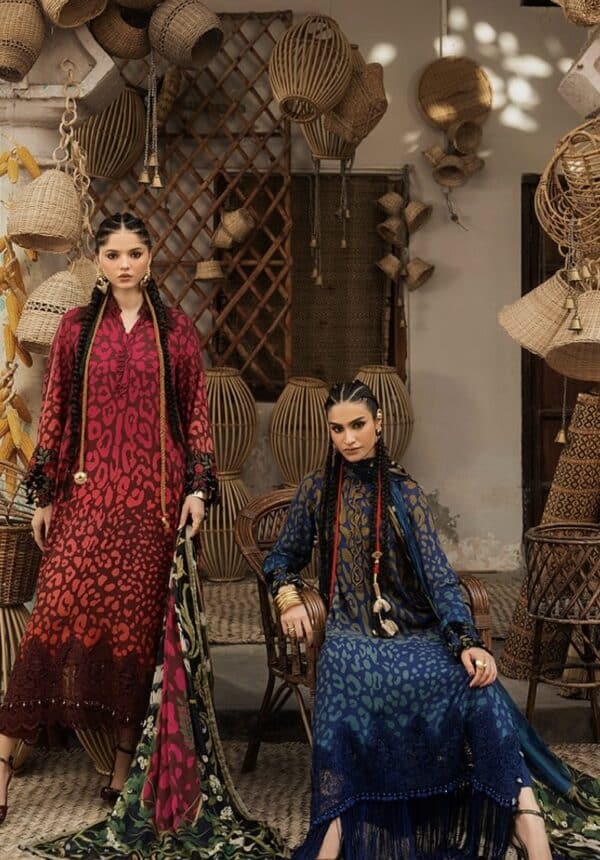
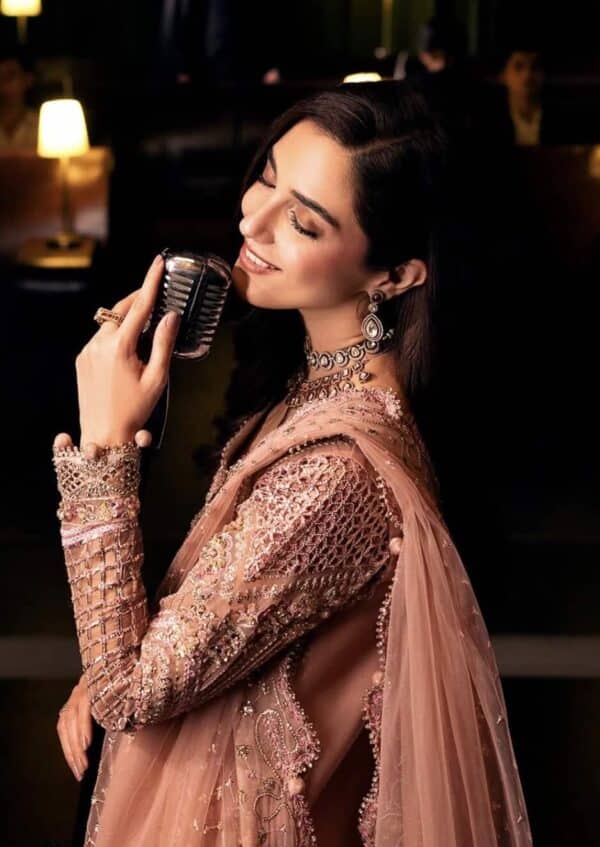
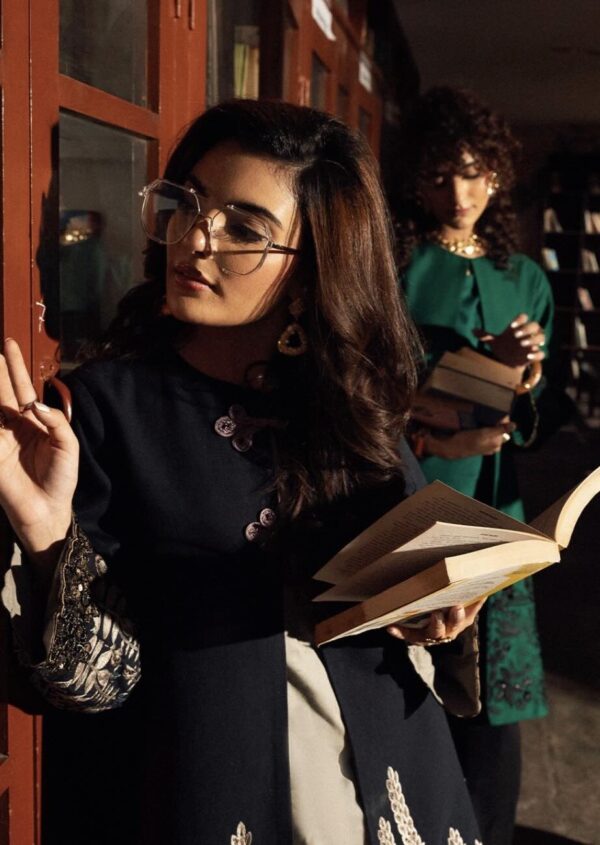
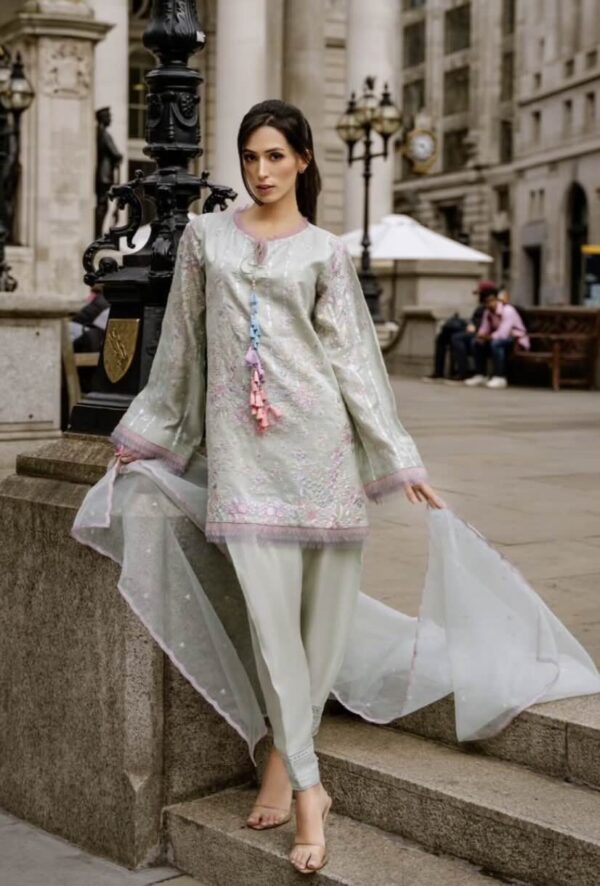
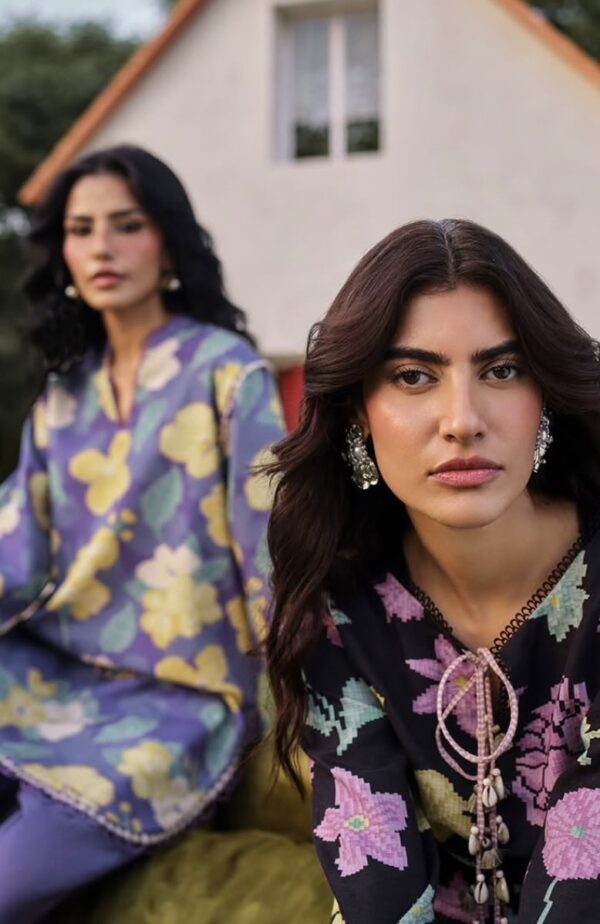
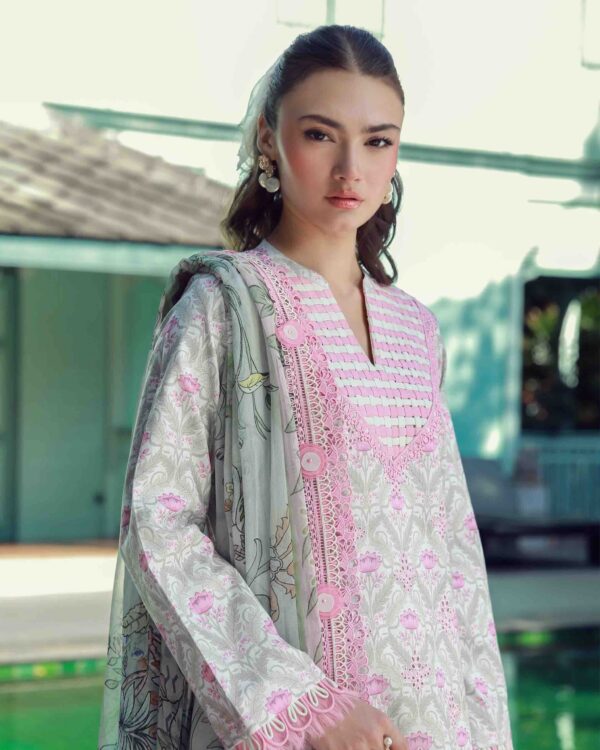
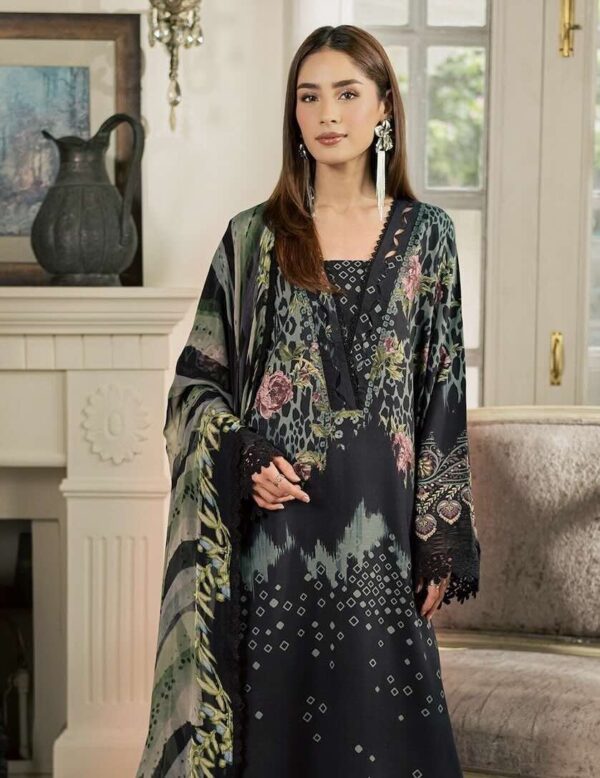
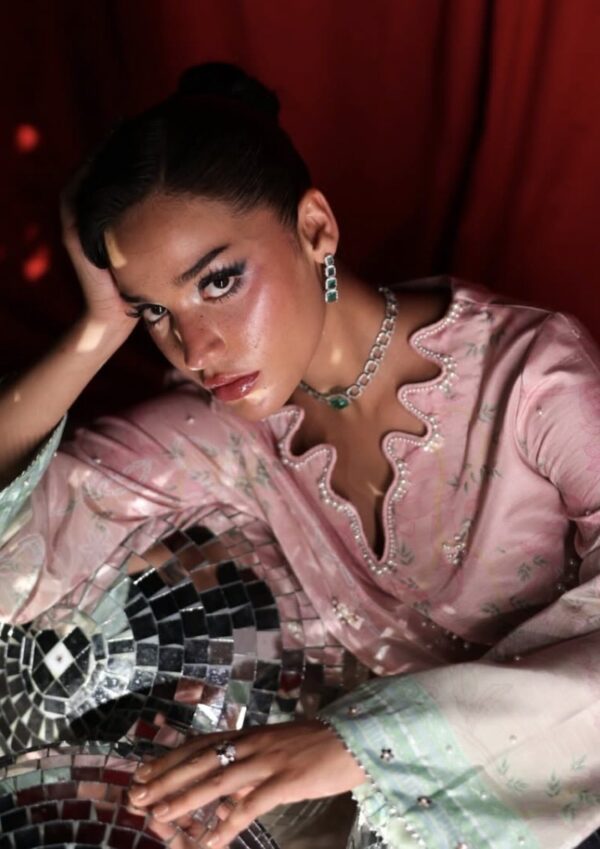
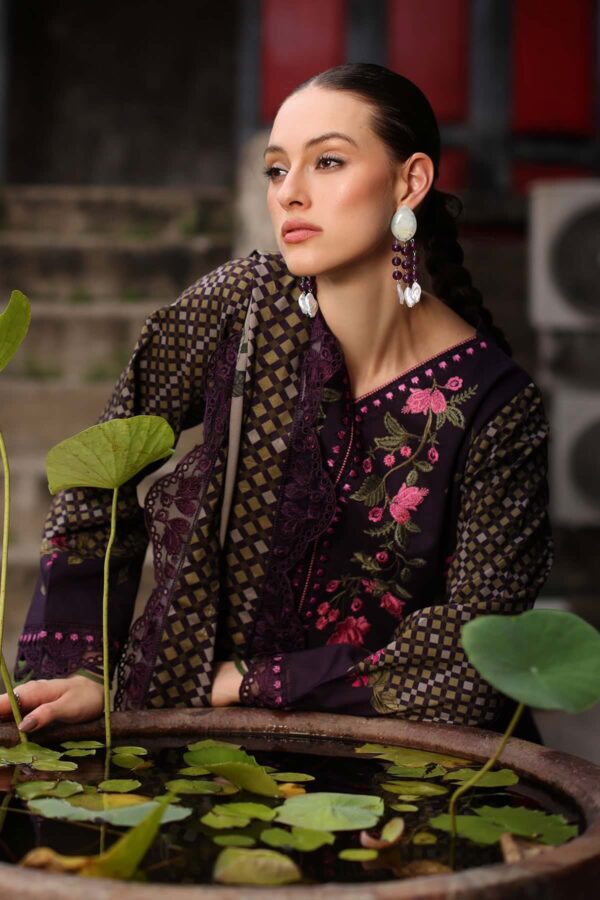
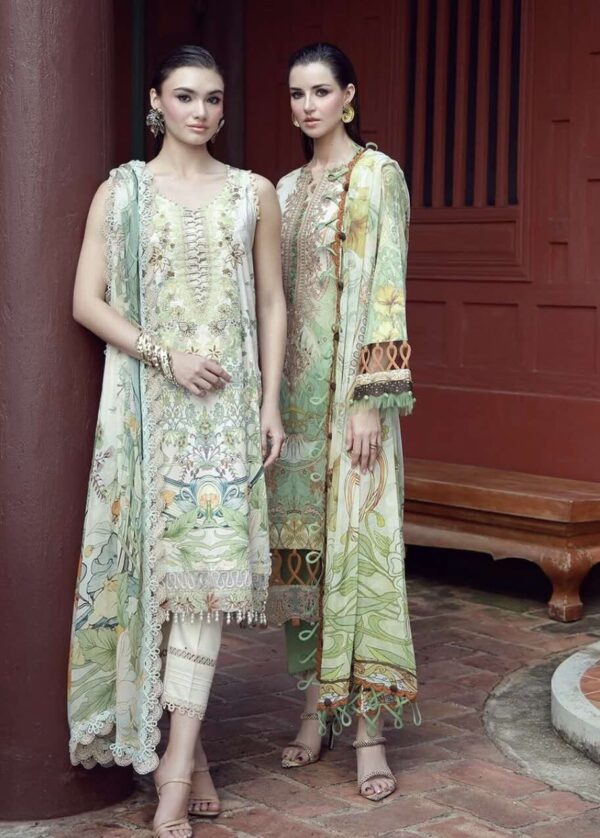
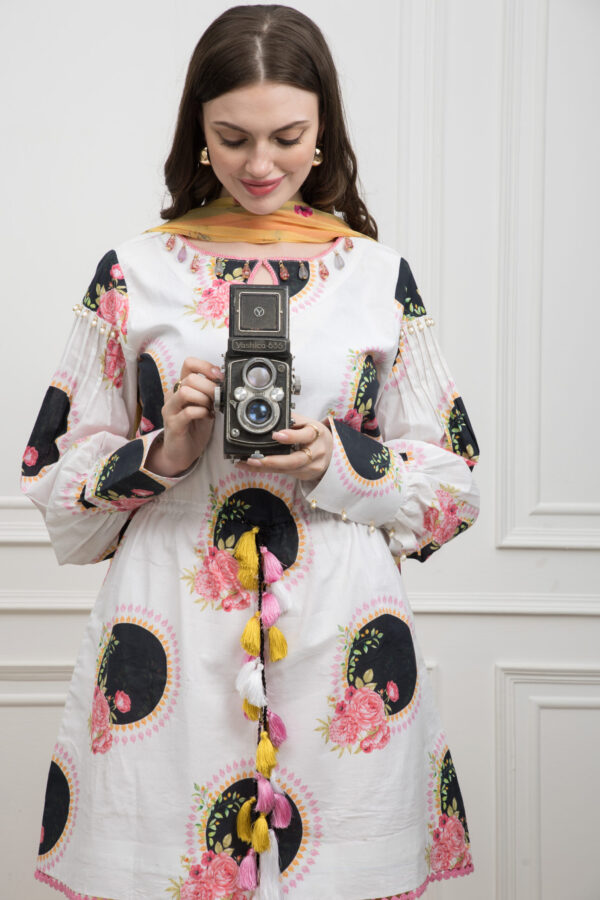
As seen on platforms like TheFashionStation.in, Salwar suits today are available in multiple styles:
1. Peplum Sharara Suits
These include a short, flared peplum-style kurti that adds volume and visual interest. Perfect for sangeet and mehndi events.
2. Jacket Style Sharara
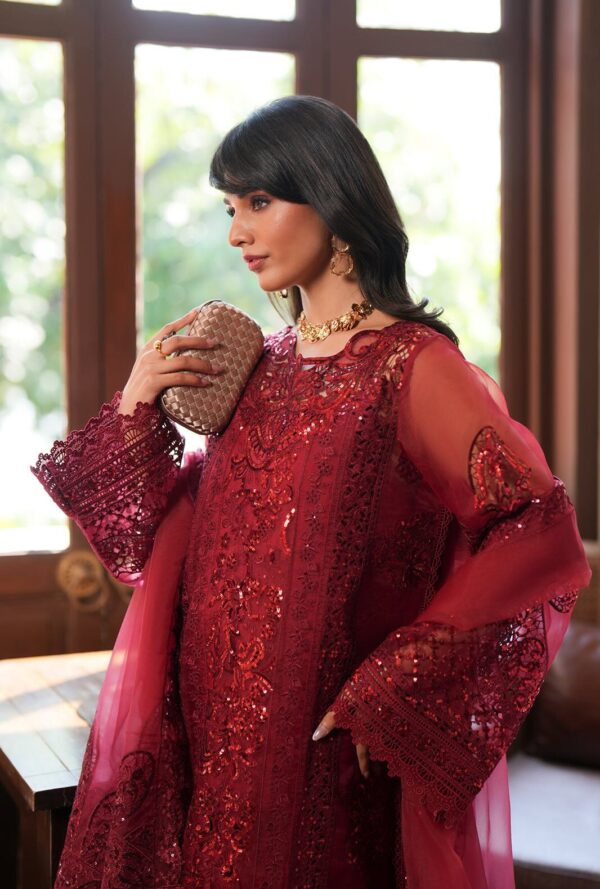
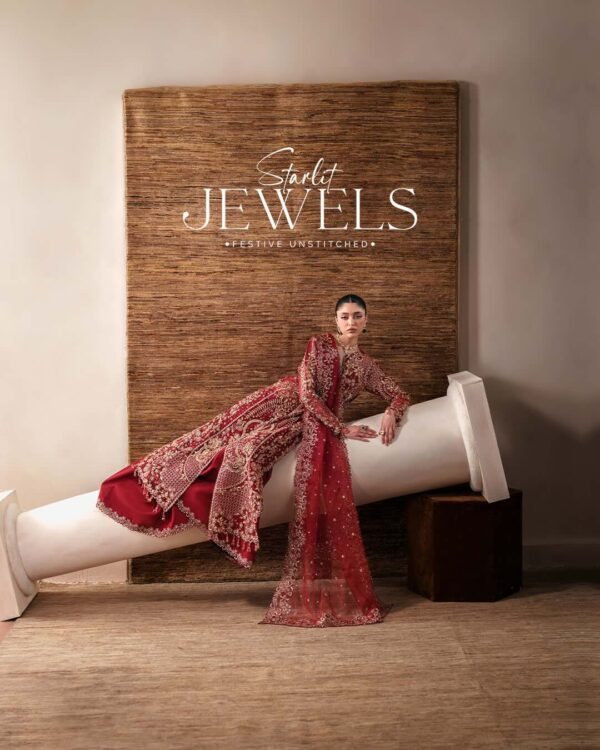
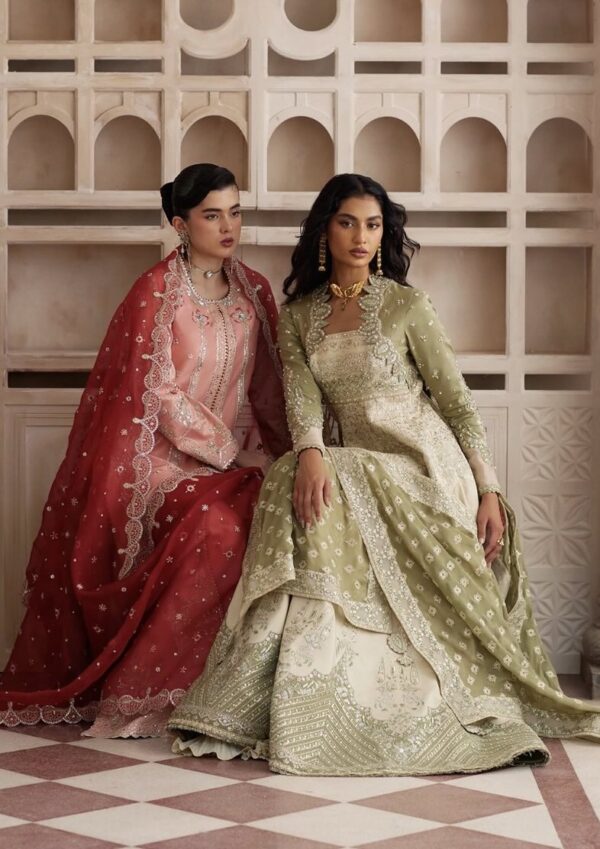
Featuring a long, embellished jacket over the sharara, this variation exudes Indo-western charm.
3. Cape Style Sharara
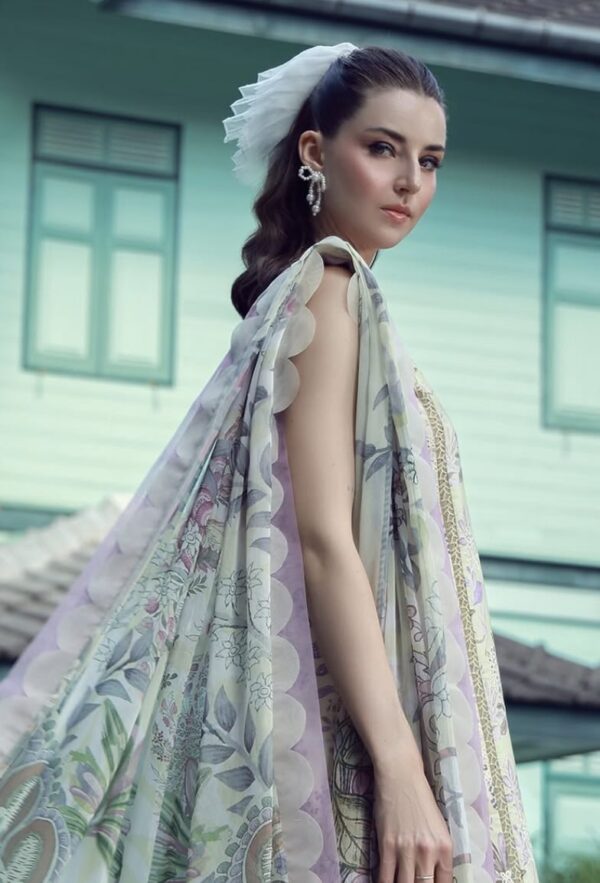
An elegant cape replaces the traditional dupatta, offering a modern, fashion-forward look.
4. Bridal Sharara Suits
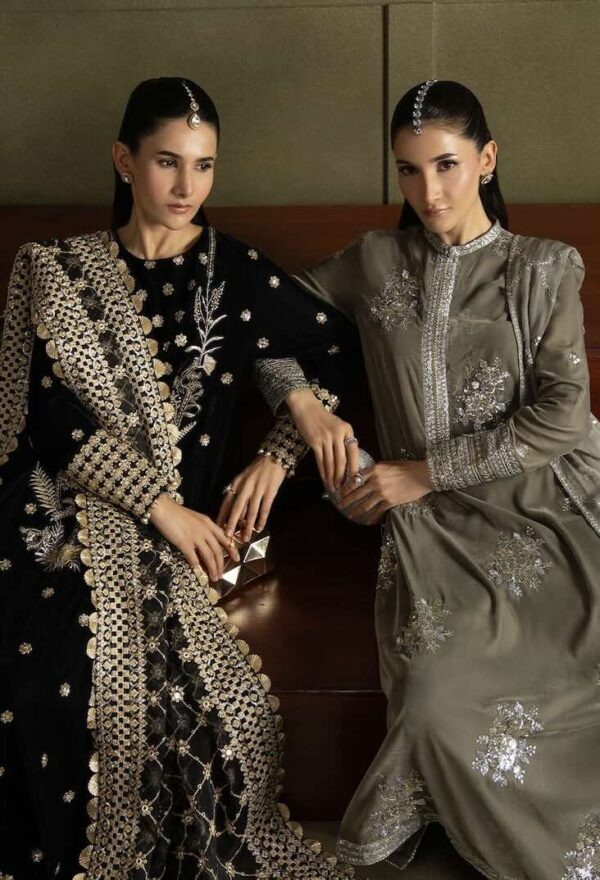
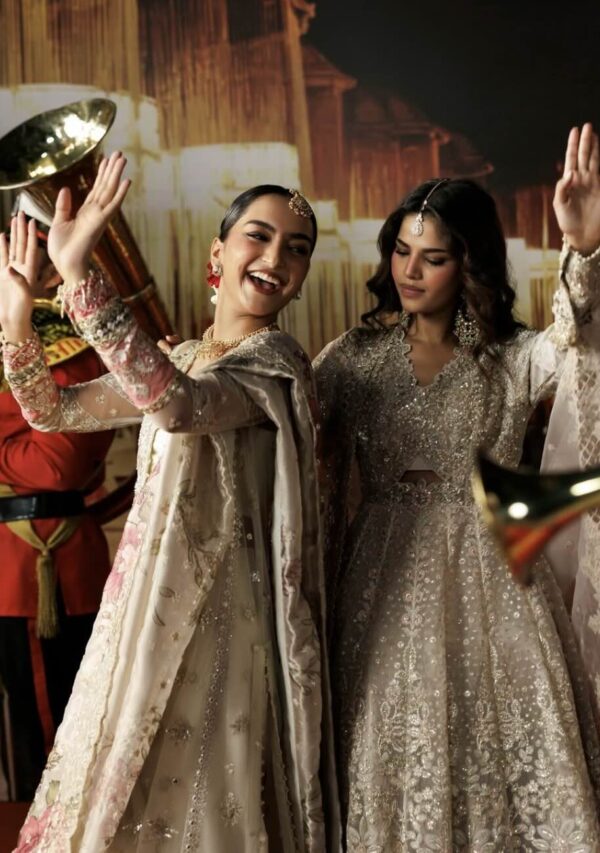
Heavily embroidered and crafted from luxurious fabrics like silk and velvet, these are ideal for brides looking for alternatives to lehengas.
Fabrics and Embellishments
Sharara suits come in a wide variety of fabrics, suitable for different seasons and occasions:
| Fabric | Ideal For | Features |
|---|---|---|
| Georgette | Summer weddings, Eid | Lightweight, breathable, flowy |
| Silk | Bridal wear, formal events | Rich texture, luxurious sheen |
| Net & Organza | Reception, cocktail parties | Sheer elegance, great for layers |
| Velvet | Winter weddings | Warm, opulent, and regal |
Embellishment Techniques
-
Zardozi: Traditional metallic embroidery, ideal for bridal and festive looks
-
Mirror work: Popular in fusion and boho-style shararas
-
Thread & Sequin Embroidery: Subtle yet glamorous for evening functions
Styling Tips for Sharara Suits
1. Jewelry
-
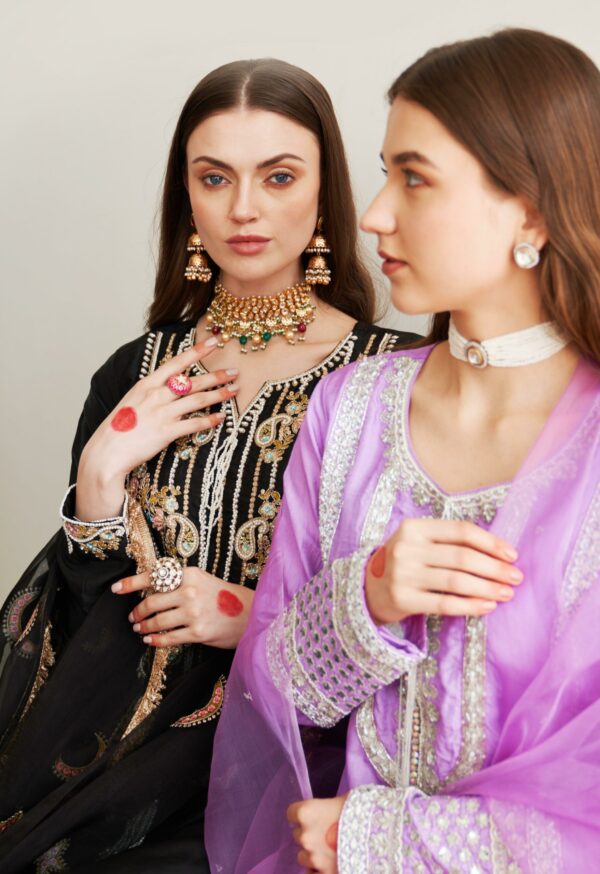
Statement chandbalis or jhumkas work beautifully with peplum and short kurtis.
-
Add a maang tikka or passa for a traditional Nawabi look.
2. Footwear
-
Opt for juttis, kolhapuris, or block heels to complement the flared pants.
3. Dupatta Draping
-
Style it over one shoulder or pleat it across both for a polished appearance.
-
Cape-style or belt-fixed draping is trending for pre-wedding events.
When and Where to Wear Sharara Suits
| Occasion | Recommended Style |
|---|---|
| Weddings | Embroidered shararas in silk or velvet with statement jewelry |
| Festivals | Lighter georgette shararas with minimal embroidery |
| Engagements | Cape-style or jacket shararas in pastels or jewel tones |
| Cocktail Parties | Net or sequin-embellished shararas with cape or crop top |
Where to Buy the Best Sharara Suits Online
Trusted Indian e-commerce platforms like TheFashionStation.in offer a curated selection of Sharara suits for all budgets and occasions. Their catalog includes:
-
Bollywood-inspired and designer replicas
-
Semi-stitched and ready-to-wear options
-
Exclusive festive collections with easy return policies
Shopping online also provides access to customer reviews, styling inspiration, and size guides that simplify the buying process.
Sharara Suit FAQs
What is the difference between Sharara and Palazzo?
Sharara pants are flared from the knee and look like skirts, while palazzos are straight or slightly flared throughout.
Can I wear a Sharara suit to a wedding?
Absolutely! Sharara suits are a top choice for weddings due to their grandeur and comfort.
Are Sharara suits in fashion in 2025?
Yes, Sharara suits continue to trend in 2025, especially with peplum tops, capes, and Indo-western styling elements.
Final Thoughts: Why Knowing About Sharara Suits is Important
Sharara suits are more than just a fashion statement—they’re a symbol of South Asian elegance, craftsmanship, and evolving culture. Understanding their history, construction, and styling potential can help readers:
-
Make better fashion choices for cultural and social events
-
Shop wisely with an understanding of fabric and fit
-
Connect more deeply with South Asian heritage
Whether you’re curating your ethnic wardrobe or writing about traditional fashion, Sharara suits deserve a spotlight for their beauty, versatility, and cultural value.