Types of Fabric: A Comprehensive Guide
From cotton to velvet — what each fabric is made of, how it wears, and what it’s best suited for.
Fabric is built from fibers woven or knitted together, and the fiber a fabric starts with determines almost everything about how it behaves — how it feels against the skin, how it drapes, how it holds up over time, and what it’s best used for. Choosing the right fabric isn’t just about look; it’s about matching the material to the occasion, the climate, and how the finished piece will actually be worn. Here’s a complete rundown of the major fabric types, along with what makes each one distinct.
Cotton
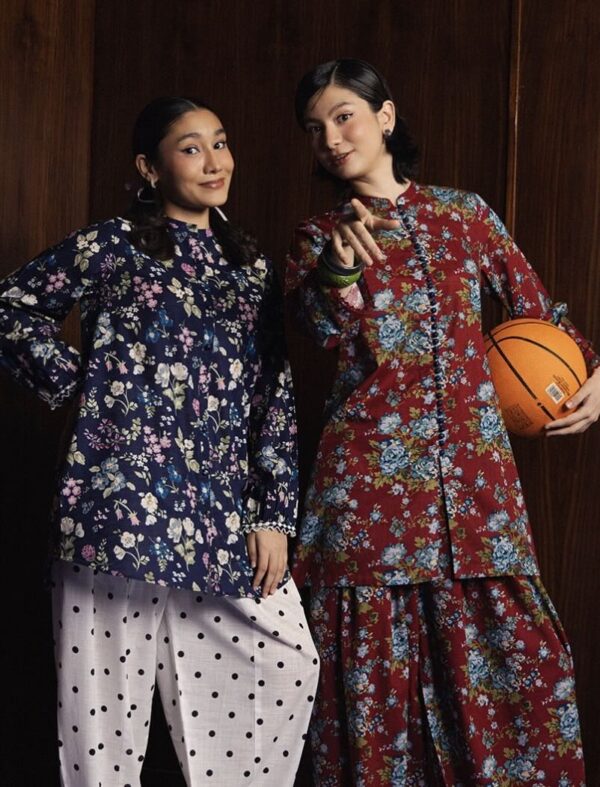
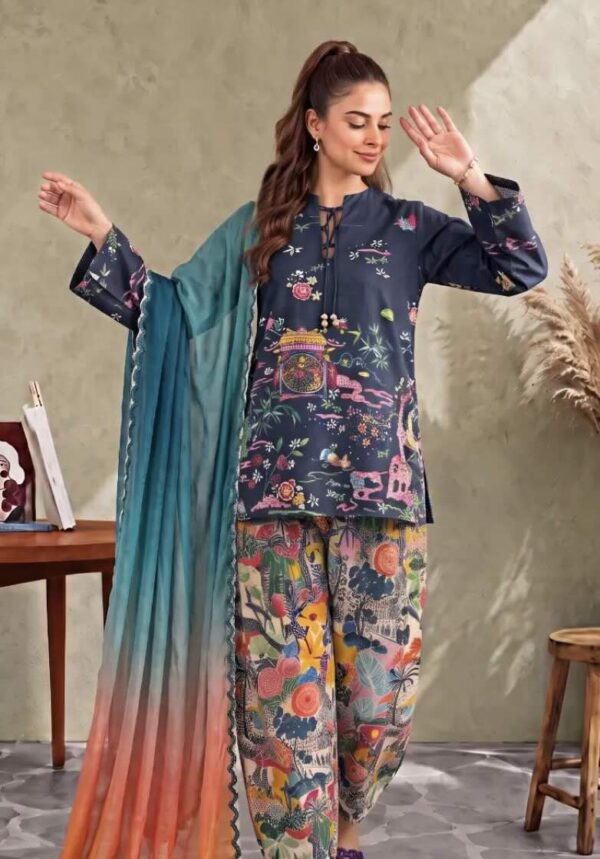
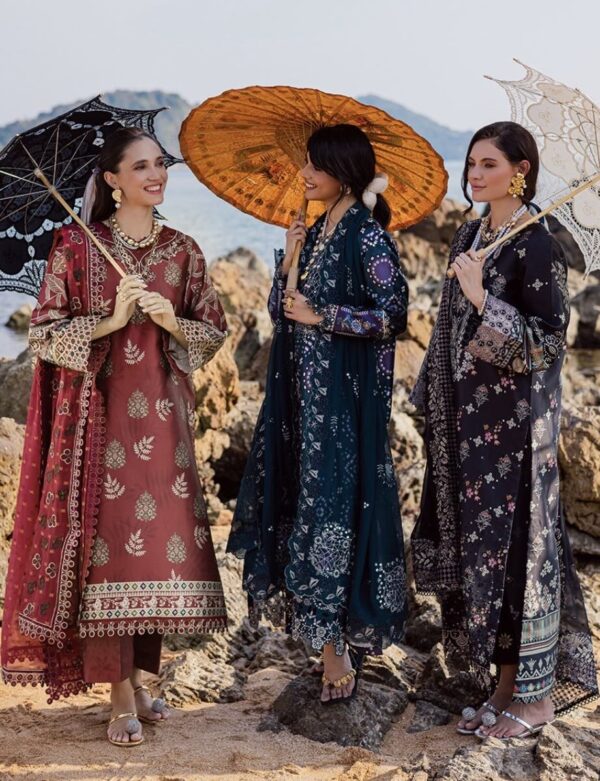
Cotton is a natural fiber prized for being soft, breathable, and genuinely durable — qualities that make it a foundation fabric across clothing, bedding, and towels alike. It handles heat well, is easy to care for, and blends easily with other fibers to create everything from crisp shirting to soft jersey knits. For warm-weather clothing especially, cotton remains the most dependable choice available.
Silk
Silk is the fabric most associated with luxury, and for good reason — it’s soft, naturally lustrous, and remarkably lightweight for how substantial it looks. Its smooth drape makes it a go-to for formalwear, lingerie, and elevated home décor. Silk does need a bit more care than most fabrics: store it away from direct sunlight and moisture, and avoid harsh detergents that can strip its natural sheen.
Wool
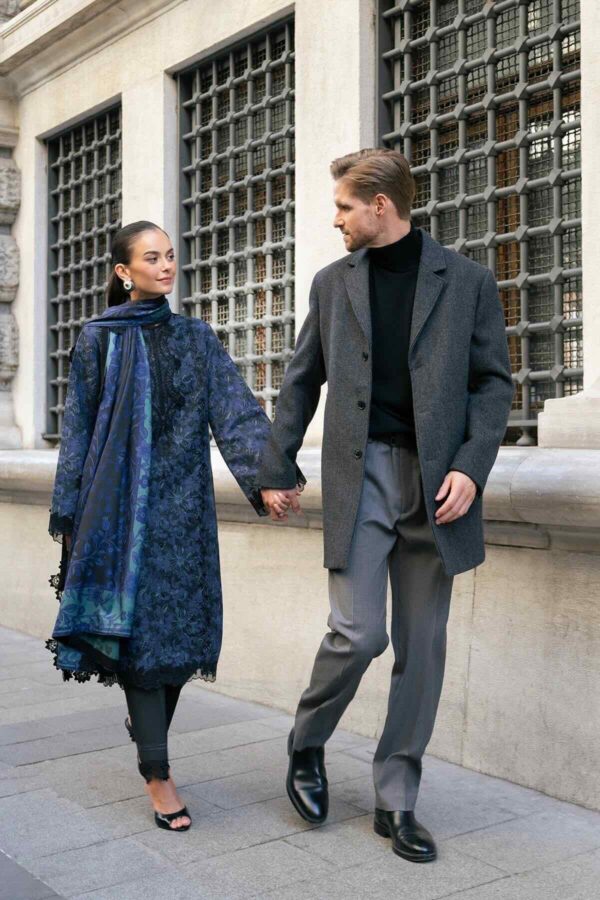
Wool is a natural fiber best known for warmth, durability, and a useful resistance to wrinkling. It’s a winter wardrobe essential, showing up in coats, sweaters, blankets, and carpets, and its natural insulating properties make it far more effective at trapping heat than most synthetic alternatives.
Polyester
Polyester is a synthetic fiber valued for being lightweight, durable, and highly resistant to both wrinkling and shrinkage. That resilience makes it a popular choice for clothing, home décor, and outdoor gear where low-maintenance performance matters more than natural fiber softness. It’s also often blended with cotton or other natural fibers to combine easy care with better breathability.
Rayon
Rayon is a semi-synthetic fiber made from natural cellulose, which gives it a soft, lightweight, breathable quality that sits somewhere between fully natural and fully synthetic fabrics. It’s commonly used in clothing, home décor, and upholstery, and it takes dye particularly well, which is why rayon pieces often come in especially vivid colours.
Nylon
Nylon is a synthetic fiber built for strength — lightweight yet resistant to abrasion and moisture, which is exactly why it shows up so often in bags, activewear, and outdoor gear. It dries quickly and holds up well under repeated wear, making it a practical choice wherever durability matters more than drape.
Linen
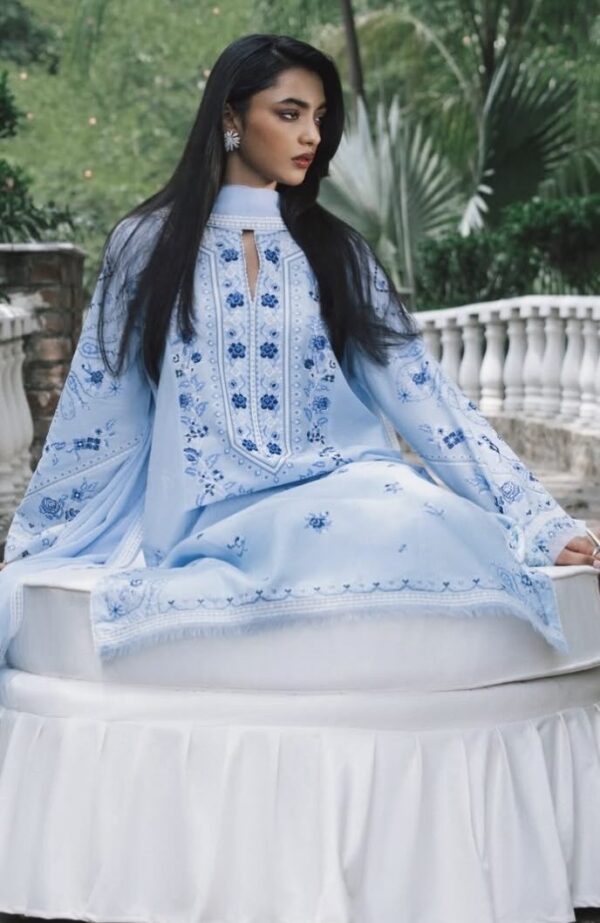
Linen is a natural fiber known for being lightweight, breathable, and long-lasting — a summer staple for clothing, bedding, and tablecloths alike. It wrinkles more readily than cotton, but that slightly relaxed, textured look has become part of its appeal rather than a drawback, especially for casual and resort wear.
Denim
Denim is a sturdy, tightly woven cotton fabric best known for jeans, jackets, and other casualwear. Its durability and characteristic diagonal weave have made it one of the most enduring fabrics in modern fashion, holding up to years of wear while only getting softer and more broken-in over time.
Velvet
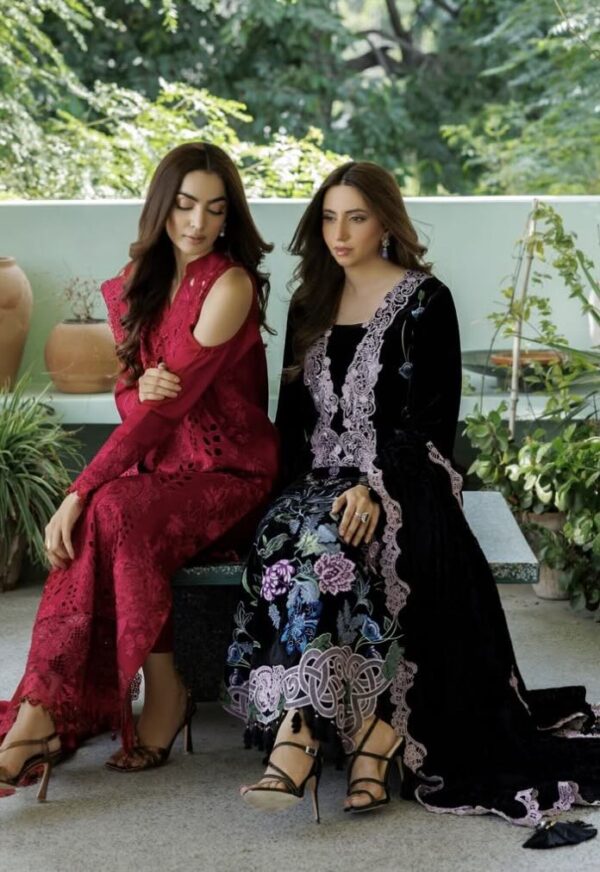
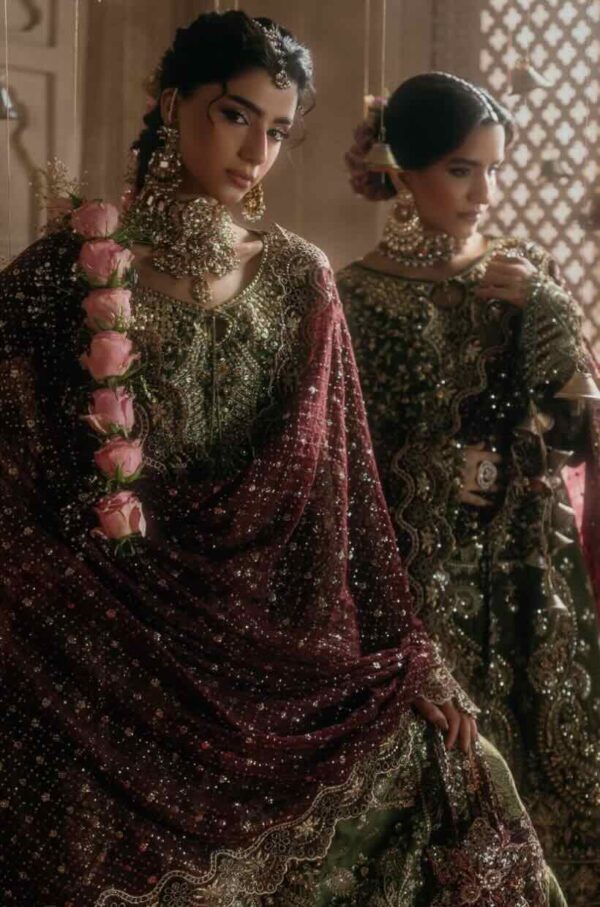
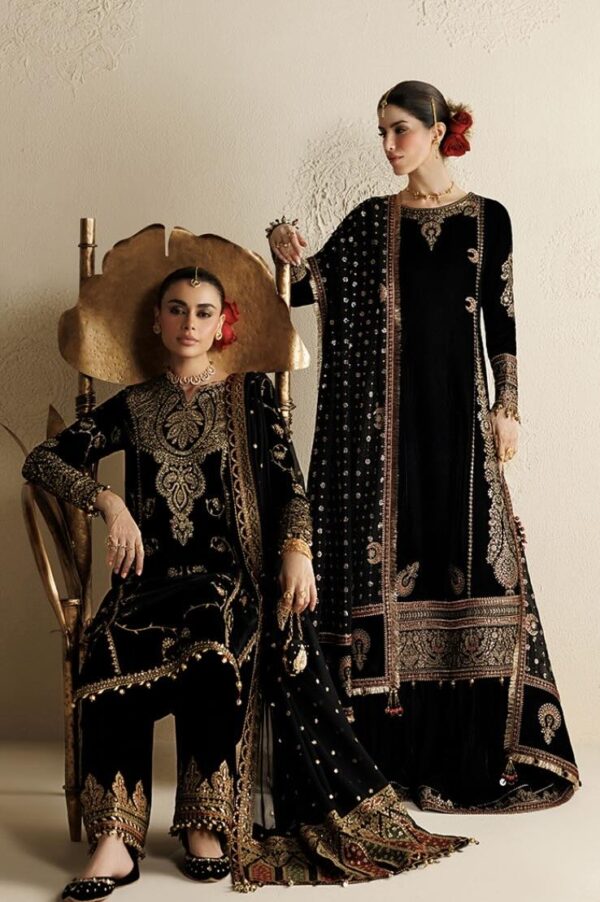
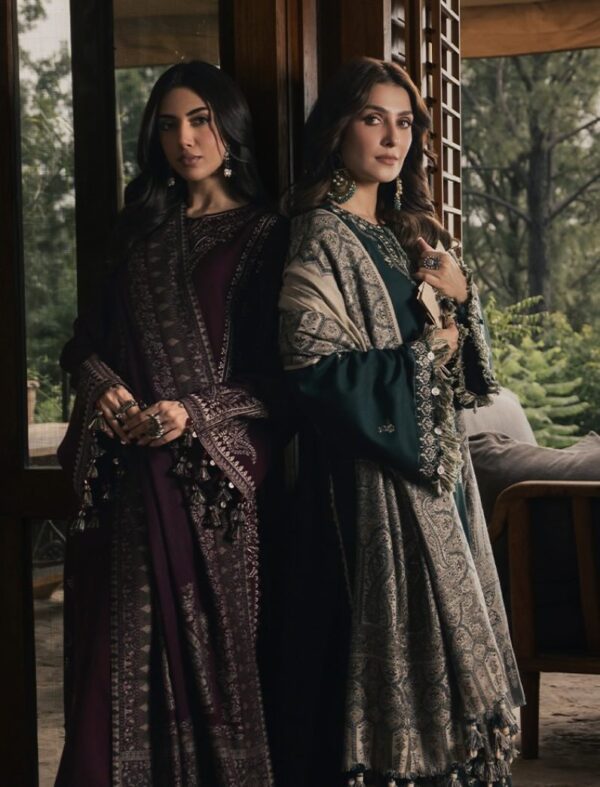
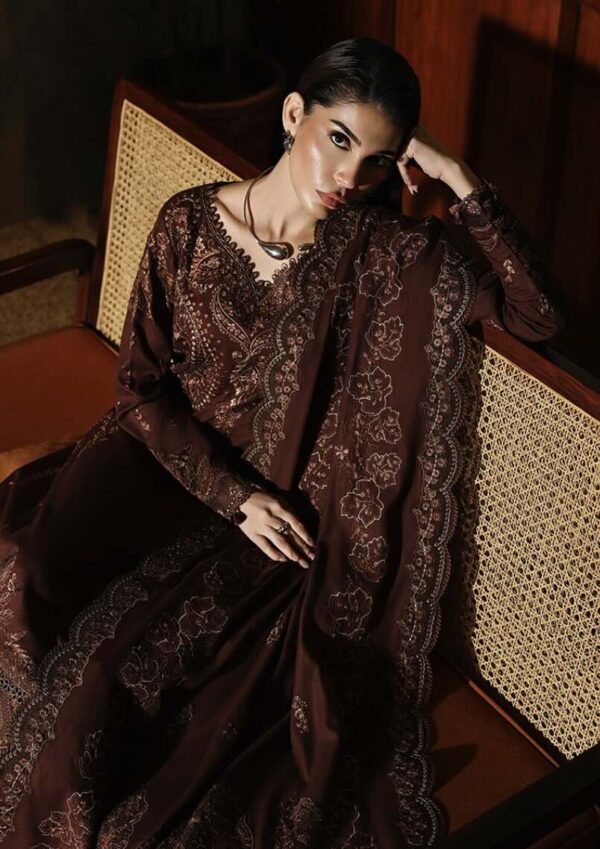
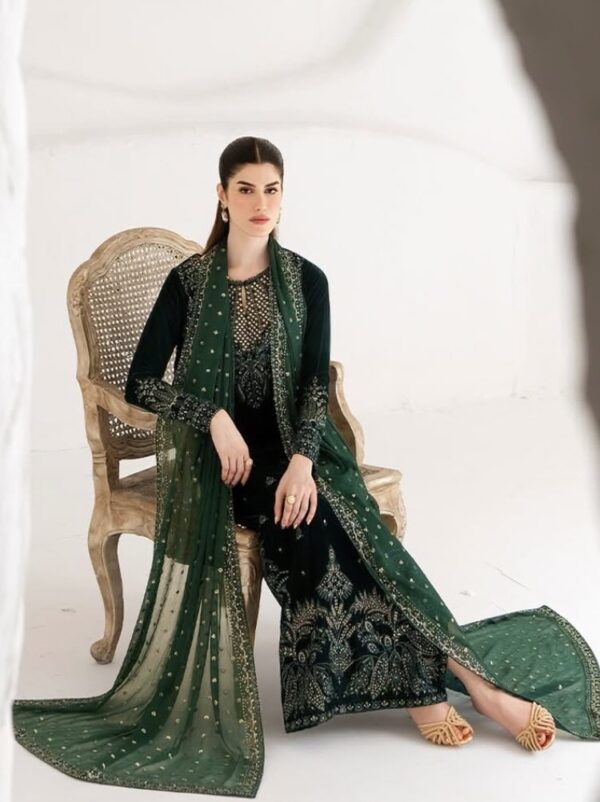
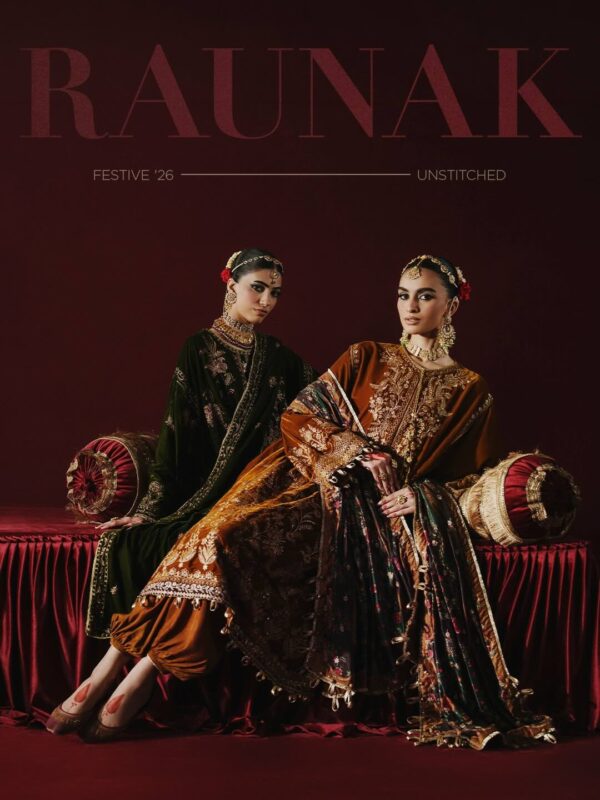
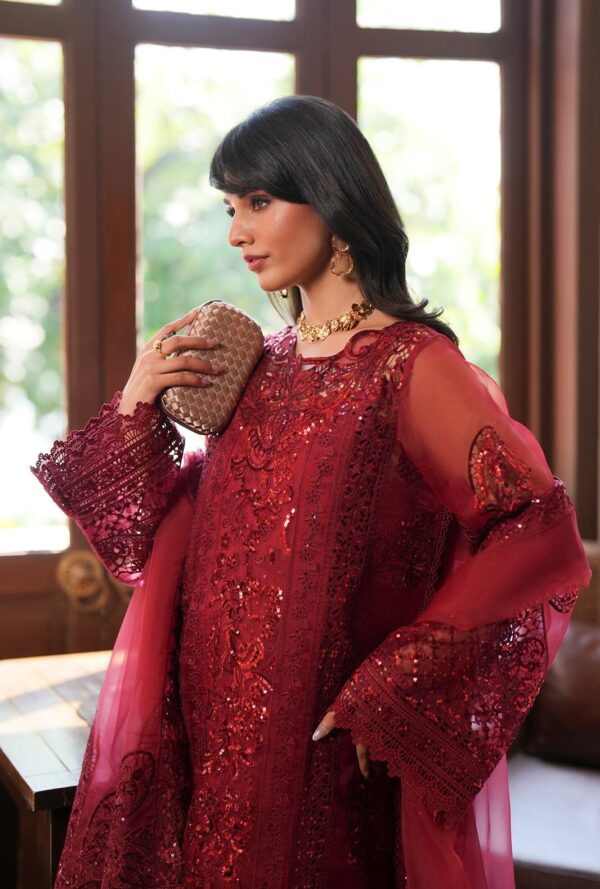
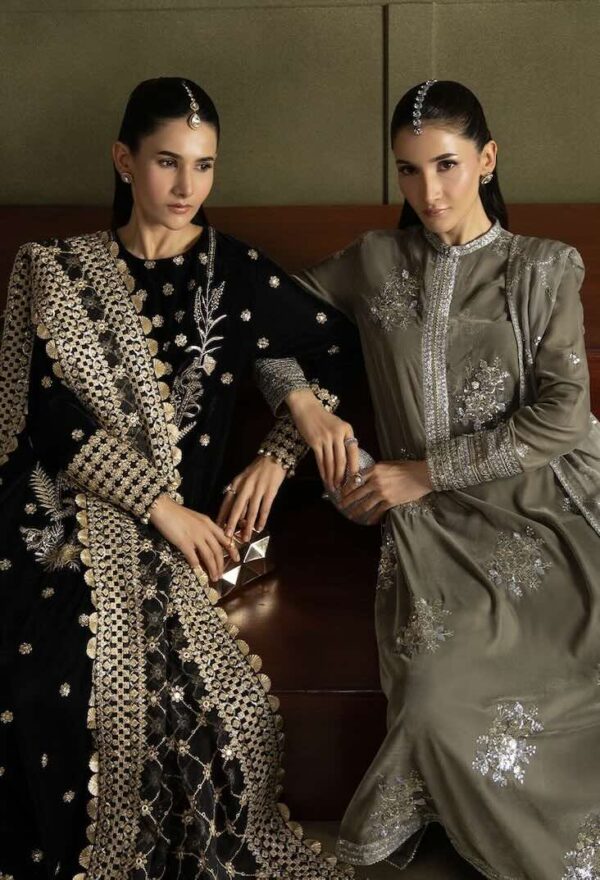
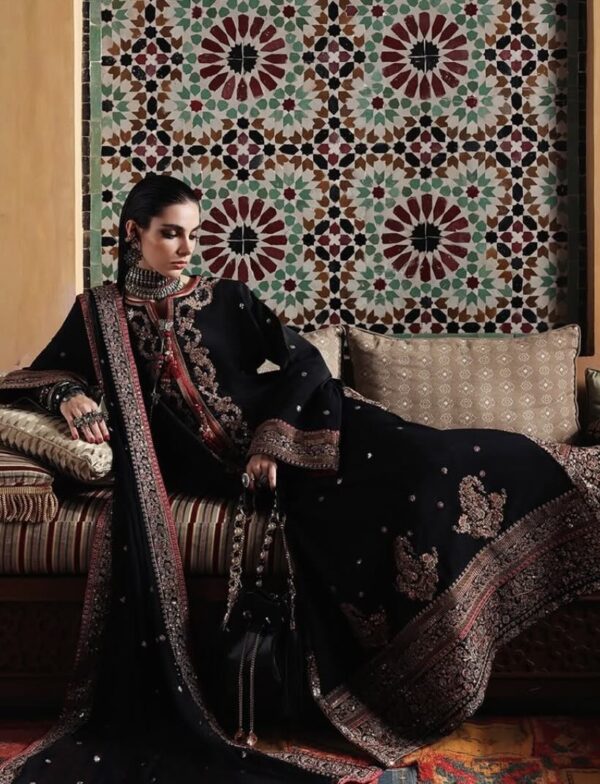
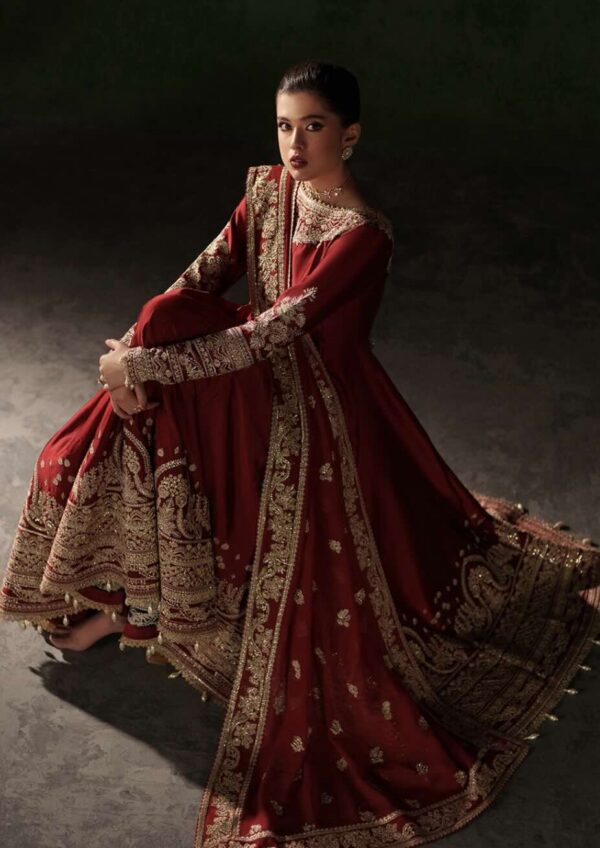
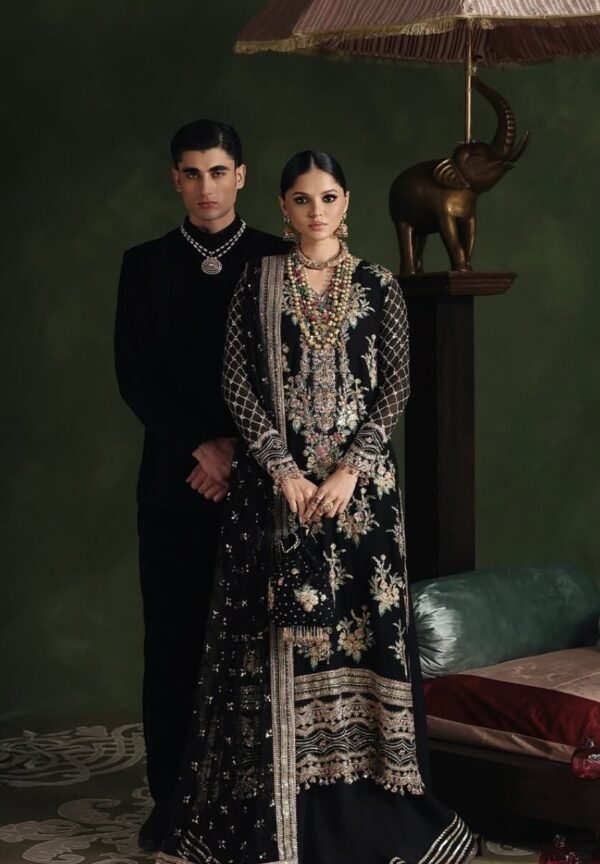
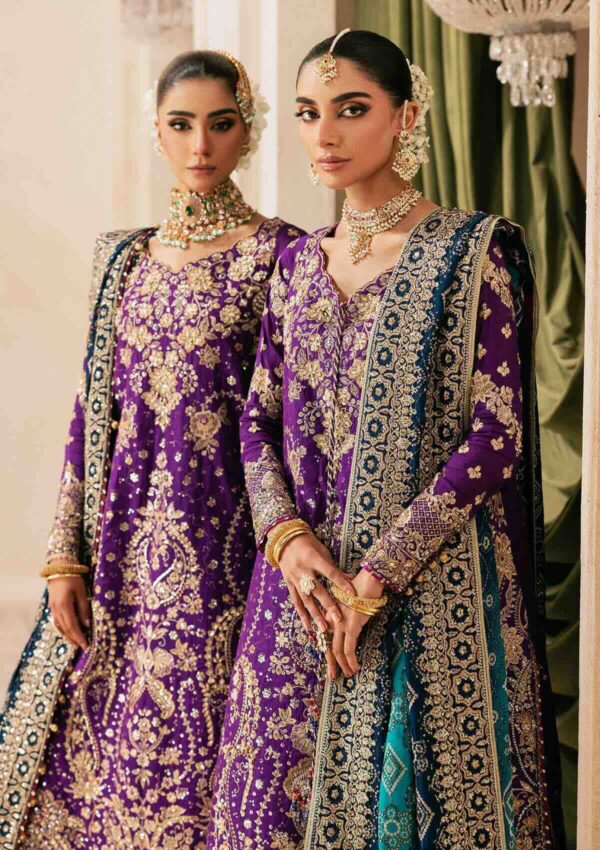
Velvet is instantly recognisable for its soft, plush pile and subtle sheen, and it’s long been associated with luxury and formalwear. Beyond clothing, it’s a popular choice for upholstery and home décor, where its rich texture adds an immediate sense of opulence. Velvet takes deep, saturated colours especially well, which is part of why it’s so often seen in darker, richer shades.
Leather
Leather is made from animal hides and prized for being both durable and flexible, showing up across clothing, footwear, and accessories. It ages distinctively — developing character and patina over time rather than simply wearing out — which is part of why well-made leather pieces are often built to last for years, if not decades.
Other Fabrics Worth Knowing
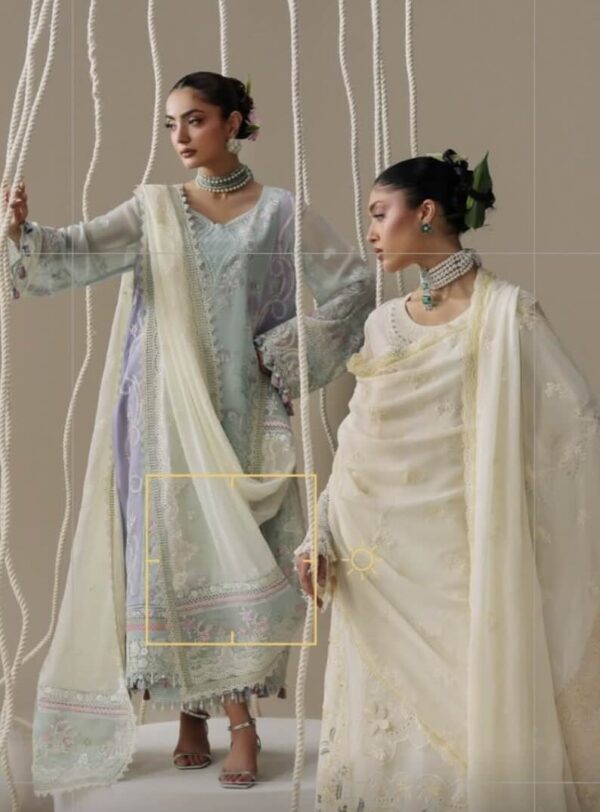
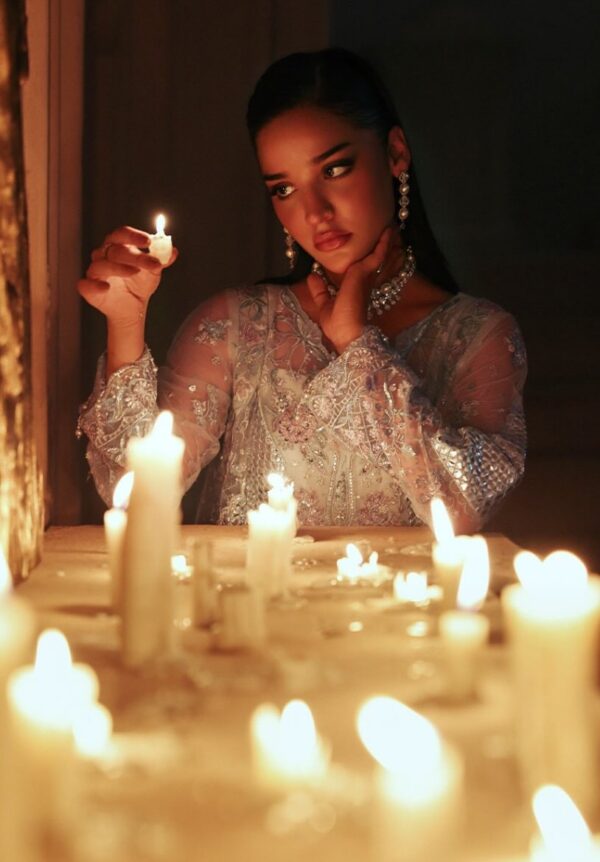
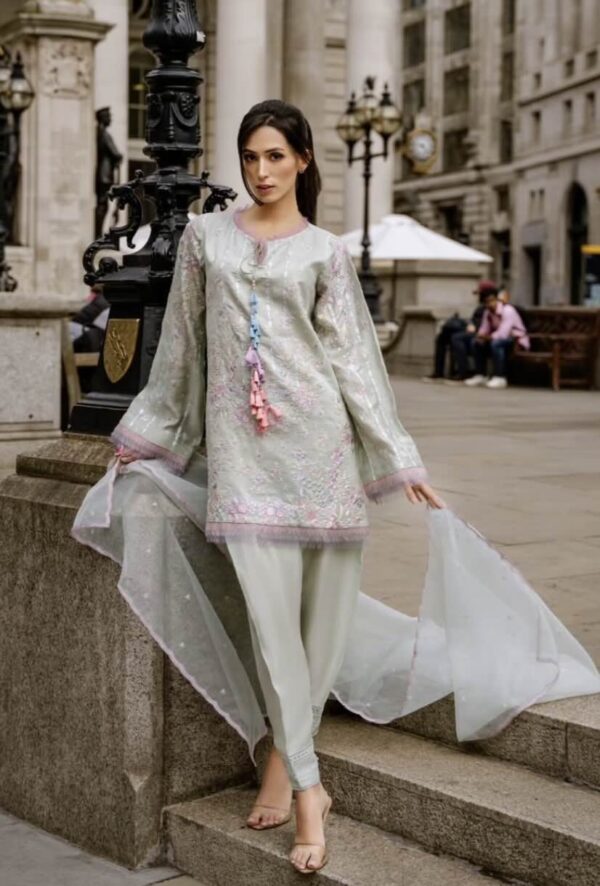
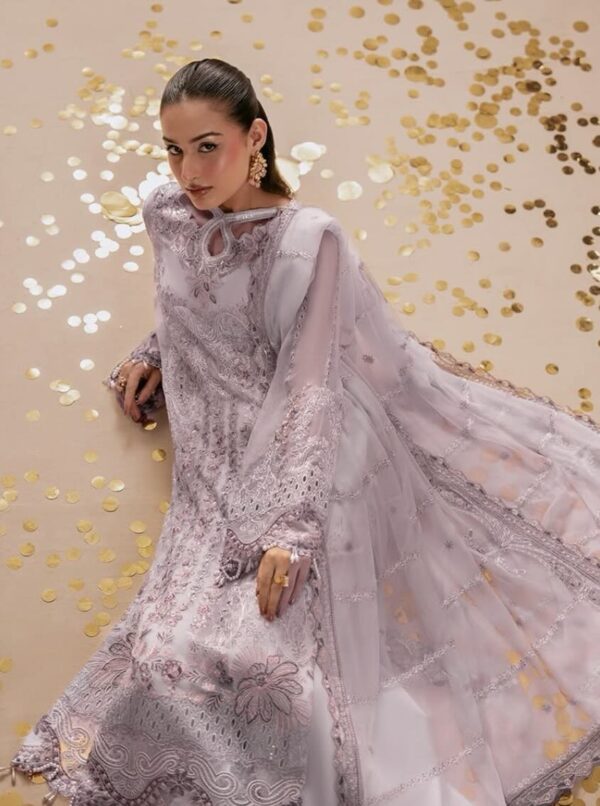
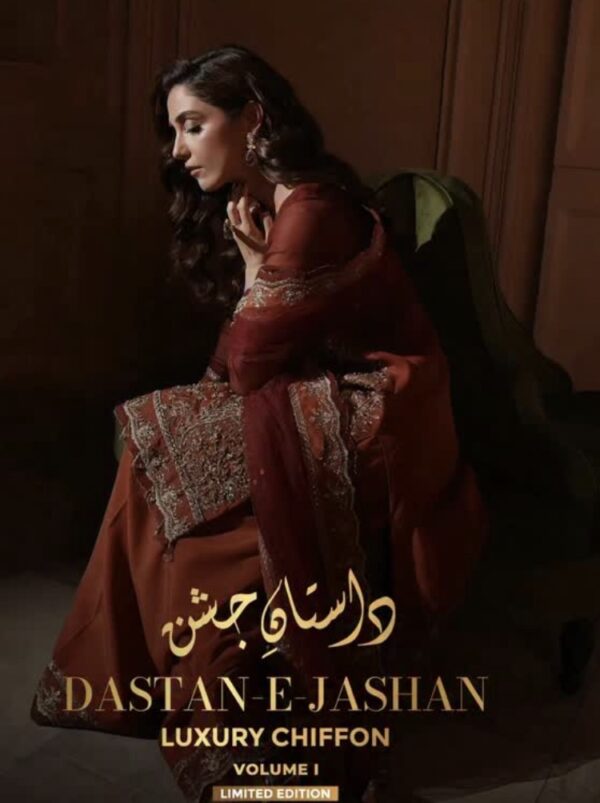
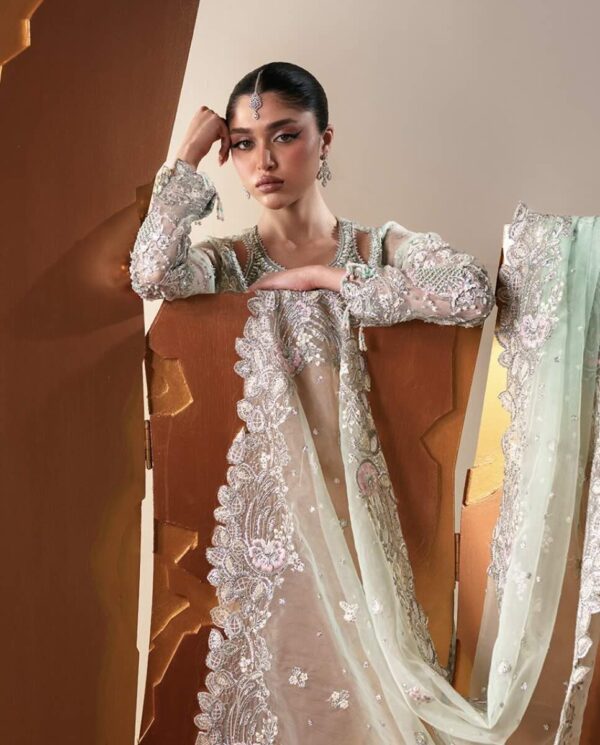
Beyond the fabrics above, a handful of others show up often enough to be worth knowing. Canvas is a heavy, tightly woven fabric prized for its strength, commonly used in bags, upholstery, and workwear. Chiffon is sheer, lightweight, and softly draping, a favourite for eveningwear and formal occasions. Flannel is a soft, brushed fabric known for warmth and comfort, most associated with cosy shirting and loungewear. Lace is an openwork fabric built from intricate, often decorative patterns, typically used as an embellishment on formalwear, bridalwear, and lingerie rather than as a standalone fabric.
How to Choose the Right Fabric
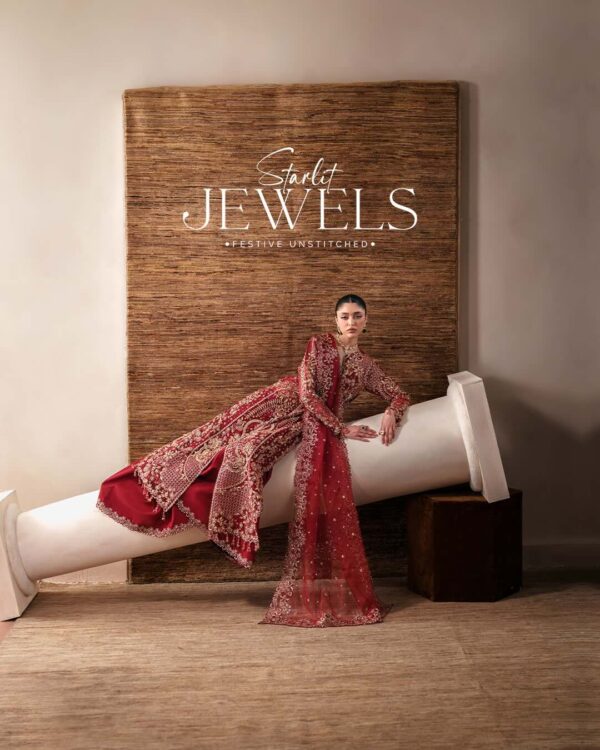
There’s no single “best” fabric — the right choice depends on what you’re making and how it’ll be worn or used. For everyday clothing in warm climates, cotton and linen are hard to beat for comfort and breathability. For formal or festive occasions, silk, velvet, and chiffon bring the drama and drape that daily wear doesn’t need. For anything that needs to withstand heavy use — bags, outdoor gear, workwear — synthetic and semi-synthetic options like nylon, polyester, and canvas offer the durability natural fibers sometimes can’t match on their own.
Shop Fabrics That Suit Every Occasion
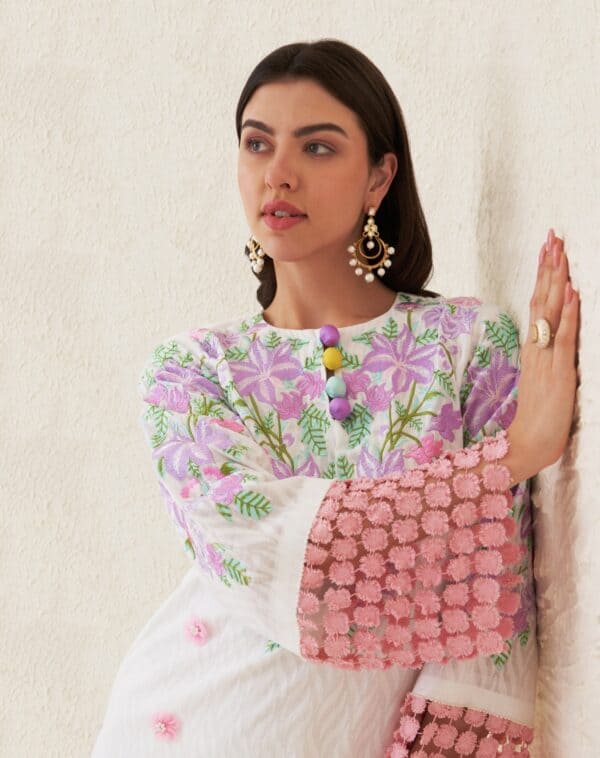
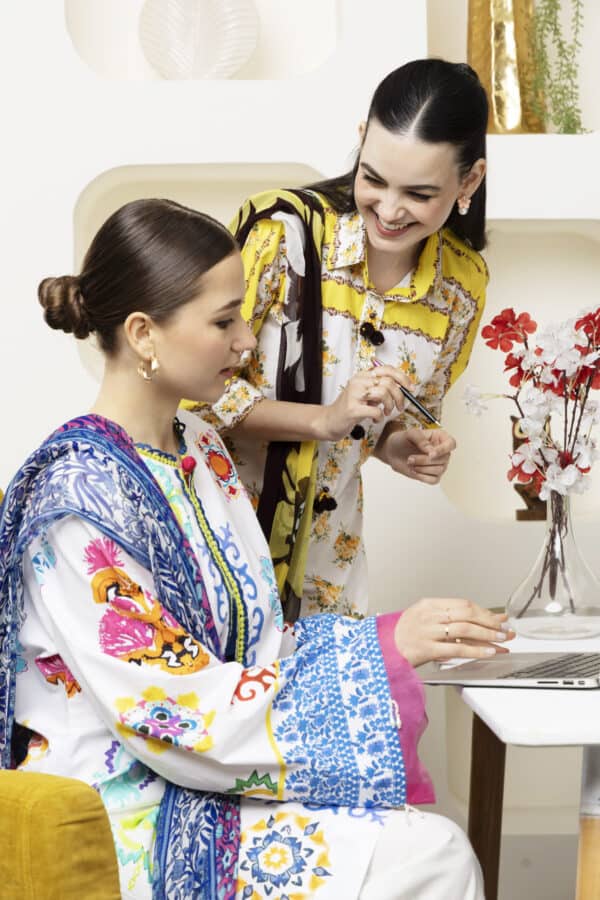
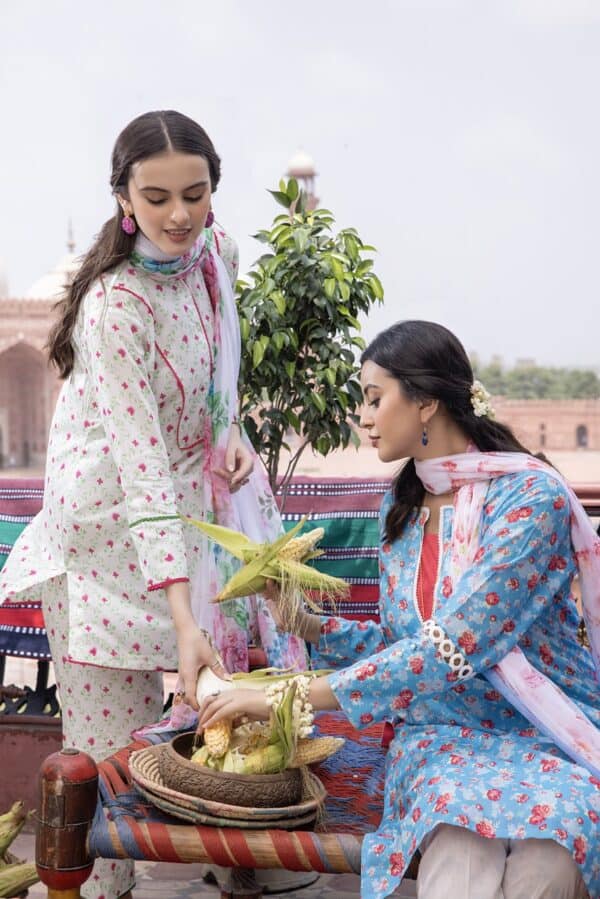
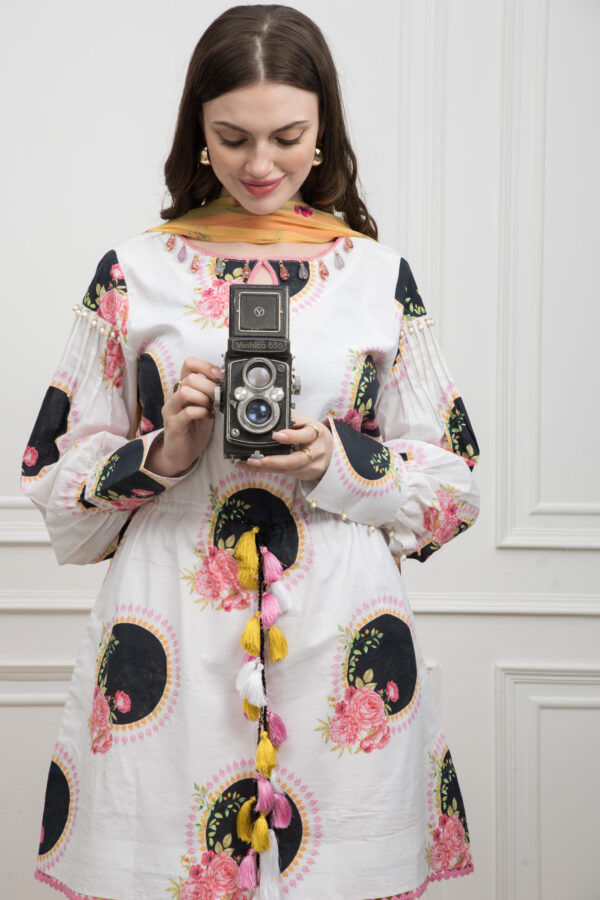
From breathable cotton and lawn to richly draped silk and chiffon, explore our full range of Pakistani suits online and designer salwar kameez.
100% original designer wear from 500+ premium brands · ISO 9001/14001/45001 and SEDEX certified since 2014 · Free shipping, Cash on Delivery and easy returns across India. Discount Auto-Applied at checkout on eligible styles.
SHOP NOWFrequently Asked Questions
Which fabric is best for hot, humid weather?
Cotton and linen are the most breathable choices, making them the most practical options for hot and humid climates.
What is the difference between silk and rayon?
Silk is a fully natural fiber with a distinctive lustre, while rayon is semi-synthetic, made from natural cellulose. Rayon offers a similar softness at a lower price point, though silk generally drapes and ages better.
Which fabrics are best for formal or festive wear?
Silk, velvet, and chiffon are the most popular choices for formal and festive occasions, thanks to their rich drape and elevated finish.
How should I care for silk and velvet garments?
Store both away from direct sunlight and moisture, and avoid harsh detergents. Both fabrics benefit from gentle handling to preserve their sheen and texture over time.
New Arrivals
Freshly dropped designer Pakistani suit collections — updated every season